


The dates are out, and for lakhs of devotees across India and beyond, the countdown has begun. This year’s Char Dham Yatra opens its sacred doors on April 19, 2026—falling on the highly auspicious day of Akshay Tritiya. For those living abroad, this might be the pilgrimage you’ve been planning for years, the one your parents spoke about with reverence, the journey that reconnects you not just with divinity but with something deeply rooted in your heritage.
But before you pack your bags and book those flights back home, there’s something crucial you need to know: registration isn’t optional anymore. The Uttarakhand government has made it compulsory for everyone undertaking this spiritual journey, and honestly, it’s for good reason. Between ensuring pilgrim safety through GPS tracking and managing the overwhelming crowds at these high-altitude shrines, the system is designed to protect you while you seek blessings.
Quick Answer:
The Char Dham Yatra 2026 begins April 19 on Akshay Tritiya. Registration is mandatory for all pilgrims visiting Yamunotri, Gangotri, Kedarnath, and Badrinath. You can register online at registrationandtouristcare.uk.gov.in, via WhatsApp (8394833833), toll-free number (01351364), or at offline counters in Haridwar, Rishikesh, and other key locations. The registration provides a QR-coded e-pass, GPS tracking for safety, and access to government facilities.
What Makes Char Dham Yatra So Sacred?
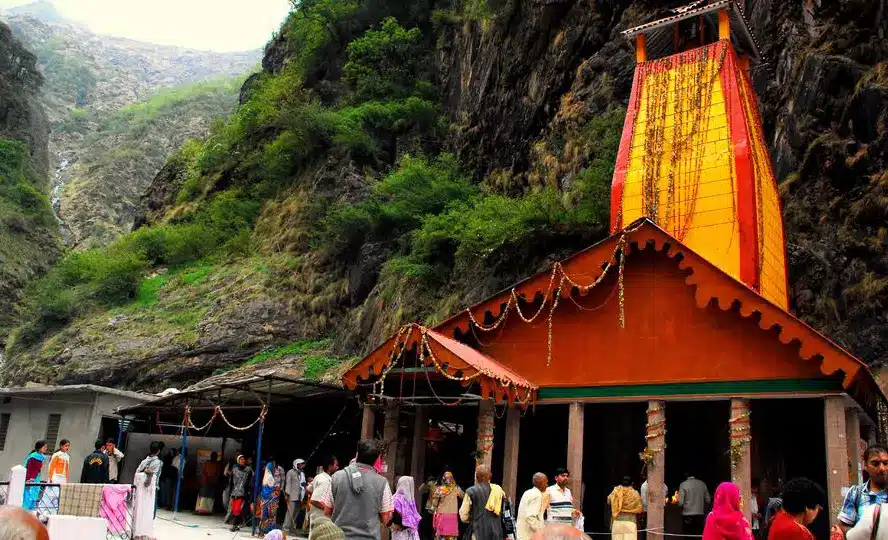
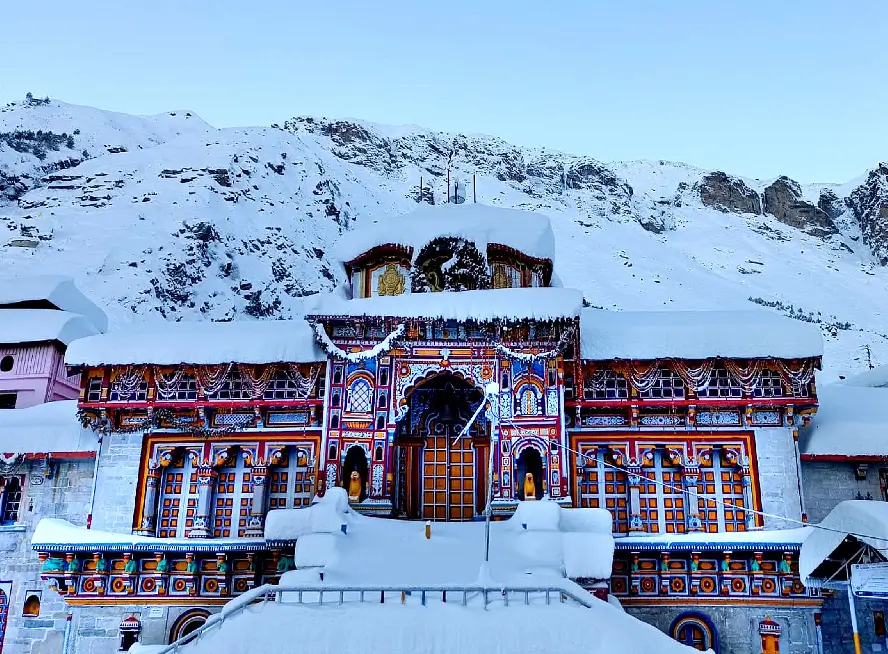
The Char Dham circuit isn’t just another temple tour—it’s considered one of the holiest pilgrimages in Hinduism. The yatra takes you through four divine abodes nestled in the Garhwal Himalayas: Yamunotri (dedicated to Goddess Yamuna), Gangotri (source of the Ganges), Kedarnath (one of the twelve Jyotirlingas of Lord Shiva), and Badrinath (dedicated to Lord Vishnu). Together, these shrines form a spiritual compass that Hindus believe washes away sins and grants moksha.
For the diaspora, there’s an added layer of meaning here. Many of us grew up hearing our grandparents’ stories about these sacred sites, their faces lighting up as they recounted arduous journeys on foot through mountain paths. Today, infrastructure has improved dramatically, but the spiritual pull remains just as strong.
Why Registration Is Non-Negotiable
The Uttarakhand government’s registration system isn’t bureaucratic red tape—it’s actually a thoughtful safety net. Here’s what it does: once you register, you’re assigned a unique QR-coded e-pass that the authorities use to track your movement via GPS. This might sound invasive, but when you’re navigating treacherous mountain terrain where weather can turn hostile without warning, having the government know your location could literally be lifesaving.
Plus, your registration card unlocks access to special facilities provided along the route—subsidized food, emergency lodging, medical assistance. Think of it as your passport for this spiritual journey, one that ensures you’re not just another face in the crowd but a documented pilgrim under the state’s protective watch.
How To Register For Char Dham Yatra 2026
The good news? Registration has been made remarkably accessible with multiple options to suit different comfort levels with technology.
Online Registration (The Quickest Method)
If you’re comfortable with digital processes—and let’s face it, most of us handling visa applications and international banking are—this is your best bet:
- Visit the official portal: registrationandtouristcare.uk.gov.in
- Fill in your personal details (name, age, address) and travel information (dates, planned route)
- Upload a valid government-issued ID proof (Aadhaar, passport, driver’s license)
- Complete the OTP verification sent to your registered mobile number
- Download your Char Dham Yatra Registration Letter complete with QR code
The entire process takes maybe 15-20 minutes if you have your documents ready. For those of us planning from overseas, this can be done well in advance, giving you one less thing to worry about when you land in India.

WhatsApp Registration (Yes, Really)
In a move that honestly feels very 2026-India, the Uttarakhand government now lets you register via WhatsApp. It’s perfect for older relatives who might find websites confusing but are WhatsApp pros:
Simply type YATRA and send it to 8394833833. You’ll receive automated questions guiding you through the registration. Answer them step by step, and your registration gets processed through the app itself. It’s that straightforward.
Toll-Free Number Registration
For those who prefer speaking to an actual human (no judgment—sometimes we all need that reassurance):
Call 01351364 and a representative will walk you through the entire registration process. This is particularly helpful if you’re registering for elderly parents or relatives who might have questions about health advisories or accessibility.
Offline Registration Counters
If you’re the type who trusts paper documentation more than digital confirmations, or if you’re already in Uttarakhand when you decide to embark on this journey, offline counters are strategically located at:
Main Registration Centers:
- Haridwar (at Rahi Hotel)
- Rishikesh (at ISBT, RTO, and Gurudwara)
Route-Specific Counters:
- Barkot (for Yamunotri)
- Hina (for Gangotri)
- Sonprayag (for Kedarnath)
- Pandukeshwar (for Badrinath)
- Govind Ghat (for Hemkunt Sahib)
Just walk in with your ID proof, and the staff will complete your registration on the spot. You’ll receive your physical registration card immediately.

Special Requirements You Shouldn’t Ignore
Vehicle Green Card
If you’re planning to drive your own car or have hired a private vehicle for the yatra, you’ll need a Green Card (also called Trip Card) issued by the Uttarakhand Transport Department. This is separate from your pilgrim registration and can be obtained at greencard.uk.gov.in. Commercial vehicles absolutely need this—no exceptions.
Medical Fitness Certificate
Here’s something many first-time pilgrims overlook: the high altitude. Yamunotri sits at 3,293 meters, Gangotri at 3,100 meters, Kedarnath at a breathtaking 3,583 meters, and Badrinath at 3,300 meters. If you’re flying in from sea-level cities abroad, your body needs time to acclimatize.
The Uttarakhand government strongly advises (and in some cases requires) a medical fitness certificate, especially for senior citizens and anyone with pre-existing heart or respiratory conditions. This isn’t meant to discourage you—it’s meant to ensure you complete the yatra safely. Consult your doctor before booking tickets, discuss the altitude challenges, and get proper clearance.
Planning Your Yatra From Abroad
For the diaspora community, there’s additional planning involved. Most international travelers fly into Delhi, then take either a domestic flight to Dehradun or a train to Haridwar/Rishikesh. From there, the yatra traditionally follows this circuit: Yamunotri → Gangotri → Kedarnath → Badrinath, though the order can vary based on weather and accessibility.
Book your accommodations well in advance. While government-subsidized lodging exists for registered pilgrims, private hotels and dharamshalas along the route fill up quickly, especially around peak season (late April through June, and September-October). If you’re traveling with elderly parents, consider helicopter services to Kedarnath—it significantly reduces physical strain while still fulfilling the spiritual purpose.
Weather in the mountains is unpredictable. Pack layers, waterproof clothing, sturdy walking shoes, and essential medications. The registration system helps authorities manage crowd flow and prevent dangerous overcrowding during landslides or heavy rainfall, but you need to be prepared for sudden itinerary changes.
What This Journey Really Means
There’s something profound about making this pilgrimage, especially when you’ve spent years away from India. You’re not just visiting temples—you’re walking paths your ancestors considered sacred, breathing air at altitudes where devotion feels more tangible somehow, where the distance from everyday life creates space for something deeper to emerge.
For many in the diaspora, the Char Dham Yatra becomes a way of honoring promises made to aging parents, of showing children where their roots lie, of reconnecting with a part of yourself that gets buried under the demands of life abroad. The registration process, with all its modern GPS tracking and digital systems, might seem at odds with the timeless spirituality of these shrines. But maybe that’s exactly right—ancient faith meeting contemporary care, tradition upheld through technology.
The mountains have always been there. The rivers still flow from glacial heights. The temples continue their daily rituals whether anyone is watching or not. But when you show up, registered and prepared, carrying your own reasons for making this journey—that’s when the pilgrimage truly begins.
