



Introduction: Why Eating with Your Hands is More Than Just a Tradition
n many cultures around the world, eating with your hands is a time-honored tradition that goes beyond mere custom. While modern dining often emphasizes utensils like forks and spoons, there are scientific and psychological benefits to using your hands during a meal.
From enhancing digestion to improving your sensory connection with food, this age-old practice offers surprising health and emotional rewards. Whether you’re curious about Ayurvedic principles or simply want a more immersive dining experience, eating with your hands is a practice worth revisiting.
1. How Eating with Your Hands Enhances Digestion
One of the most remarkable benefits of eating with your hands is its ability to improve digestion. The process begins before the food even enters your mouth, thanks to the sensory signals sent from your fingers to your brain. Here’s how it works:
A. Activates Digestive Enzymes
When you touch food, the nerve endings on your fingertips send signals to your brain to prepare your digestive system. This triggers the release of salivary amylase—an enzyme that breaks down starches—and other digestive enzymes that aid in smoother digestion.
👉 Touching your food prepares your stomach, pancreas, and intestines to absorb nutrients more effectively.
In Ayurveda, it is believed that each finger represents one of the five elements:
- Thumb – Space
- Index finger – Air
- Middle finger – Fire
- Ring finger – Water
- Little finger – Earth
Bringing these elements together while eating enhances the balance of energy in the body, leading to better digestion.

B. Promotes Mindful Chewing
Eating with your hands naturally slows down the eating process. When you take your time to touch, feel, and eat your food, you’re more likely to chew thoroughly—an essential step in the digestive process.
Proper chewing:
✅ Breaks food into smaller pieces for easier digestion
✅ Stimulates the production of digestive enzymes
✅ Reduces bloating and indigestion
Fact: Studies show that mindful chewing increases nutrient absorption and decreases digestive discomfort.
2. The Sensory Connection: Engage All Your Senses
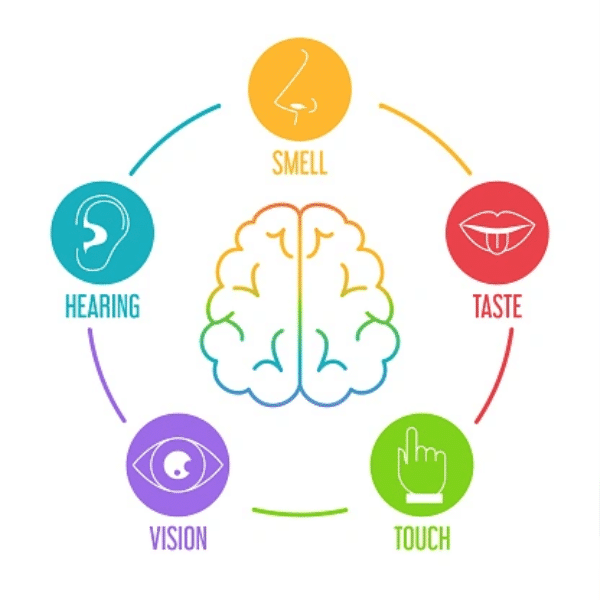
Eating is not just about filling your stomach—it is a multi-sensory experience. Using your hands enhances your ability to connect with your food in ways utensils cannot replicate.
A. Heightens Sensory Awareness
When you use your hands, you experience a variety of textures, temperatures, and consistencies that heighten your enjoyment. This sensory feedback gives your brain more information, making meals more satisfying and fulfilling.
Example: Imagine the experience of scooping warm, fragrant biryani with your fingers—the softness of the rice, the heat of the spices, and the crispness of caramelized onions. These sensations are much more vivid without a fork in between.

B. Enhances Emotional Satisfaction
Touching food directly creates an emotional connection to your meal. This can:
- Reduce emotional eating by fostering mindfulness
- Increase gratitude for the nourishment in front of you
- Strengthen feelings of comfort and warmth
When you eat with your hands, you engage in a ritual of presence, allowing you to fully enjoy your food and the moment.
3. Health Benefits of Eating with Your Hands
Beyond digestion and sensory enjoyment, there are other compelling health benefits linked to hand-eating practices.

A. Supports a Healthy Gut Microbiome
Your hands naturally contain good bacteria that play a crucial role in maintaining a balanced gut microbiome. When you eat with your hands, you introduce beneficial microbes that aid in digestion and improve overall gut health.
Fun Fact: Research suggests that exposure to diverse microbes through touch strengthens the immune system.
B. Better Portion Control and Mindful Eating
Eating with your hands encourages smaller bites and slower consumption, which helps your brain register fullness signals more accurately. This leads to:
✅ Reduced overeating
✅ Better portion management
✅ Lower risk of obesity
When you feel the food, you become more conscious of how much you’re eating and how satisfying each bite feels.
4. Cultural Significance: A Global Practice
Eating with your hands is a sacred ritual in many cultures, reflecting values of community, respect, and gratitude.

A. India and Ayurveda
In Indian culture, eating with hands is rooted in Ayurvedic wisdom, where food is viewed as medicine. The tactile connection enhances digestion and shows respect for the meal.
B. Middle Eastern and African Traditions
In Middle Eastern and African cultures, eating with your hands symbolizes unity and hospitality. Sharing meals in this way fosters a sense of togetherness and communal belonging.
C. Southeast Asian Customs
Countries like Indonesia and Malaysia practice hand-eating during special ceremonies. It reflects humility, gratitude, and a spiritual connection to food.
5. Practical Tips for Eating with Your Hands
New to hand-eating? Follow these tips for a clean, enjoyable experience:
✅ Wash your hands before and after meals.
✅ Use your fingers, not your palm, for handling food.
✅ Eat slowly and savor every bite.
✅ Start with easy-to-handle dishes like rice bowls, flatbreads, or salads.
Tip: Always eat with your right hand in cultures where this practice is the norm, as the left hand is considered unclean.
6. Modern-Day Relevance: Why It Matters Today
In an age where fast food and screens dominate, eating with your hands brings us back to mindfulness and human connection. This practice:
💚 Reduces stress by encouraging slower eating
💚 Enhances family bonding during shared meals
💚 Disconnects us from screens, encouraging more presence
