


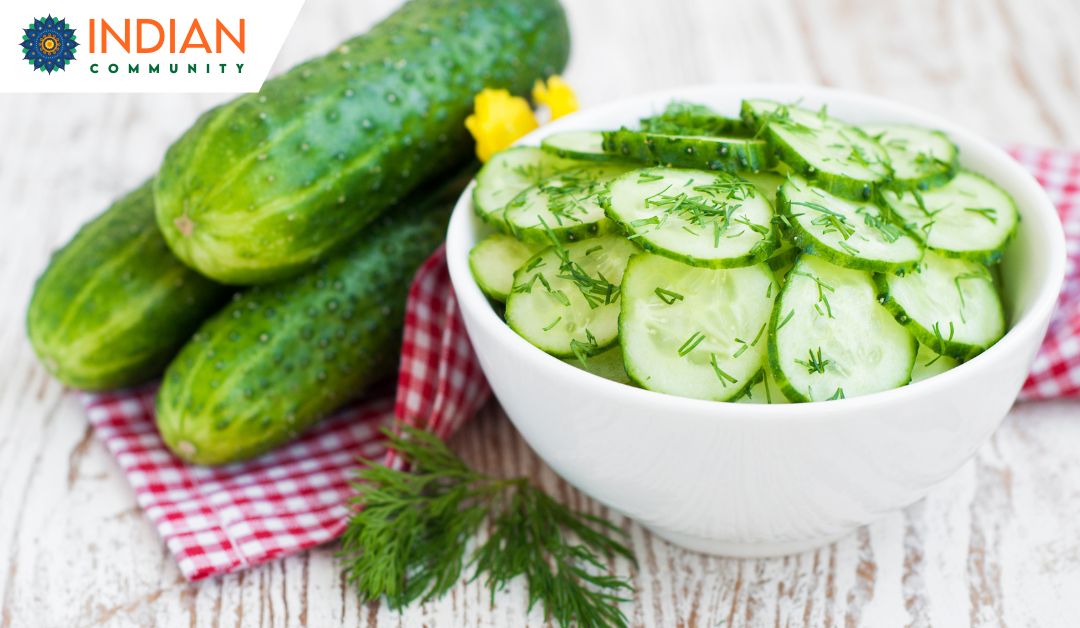
Navratri, a significant Hindu festival dedicated to Goddess Durga, is observed with various customs, rituals, and dietary practices. For many devotees, fasting is an integral part of the festival, observed with dedication and devotion. The dietary restrictions during Navratri often lead to questions about what foods are permissible. One common query is whether cucumber can be consumed while fasting during Navratri. This blog provides a comprehensive analysis of this question, considering religious, cultural, and practical aspects.
Understanding Navratri Fasting
During Navratri, fasting practices can vary widely based on individual traditions and regional customs. The fast can range from complete abstinence from food to consuming specific types of food deemed permissible during the festival. Commonly accepted foods during Navratri include fruits, dairy products, and certain grains and flours that are considered vrat (fasting) foods.
Cucumber: Nutritional and Dietary Profile
1. Nutritional Benefits
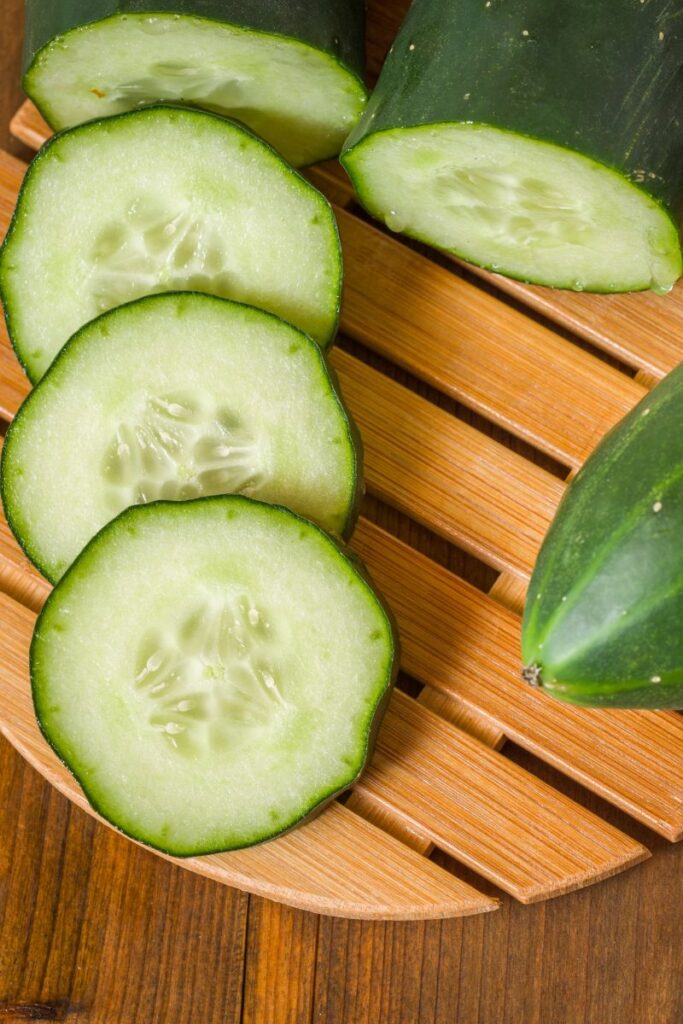
Cucumber is a popular vegetable known for its high water content and low calorie count. It is rich in vitamins and minerals, including vitamin K, vitamin C, potassium, and magnesium. Cucumbers also contain antioxidants and have hydrating properties, making them a refreshing choice for many.
2. Dietary Considerations
In general, cucumber is not a starchy vegetable and is often considered a neutral food that does not interfere with fasting. It is also low in calories and provides essential nutrients without adding much to the overall caloric intake.
Religious and Cultural Context
1. Fasting Rules and Permissibility
Fasting rules during Navratri are rooted in religious and cultural practices. Some common guidelines include:
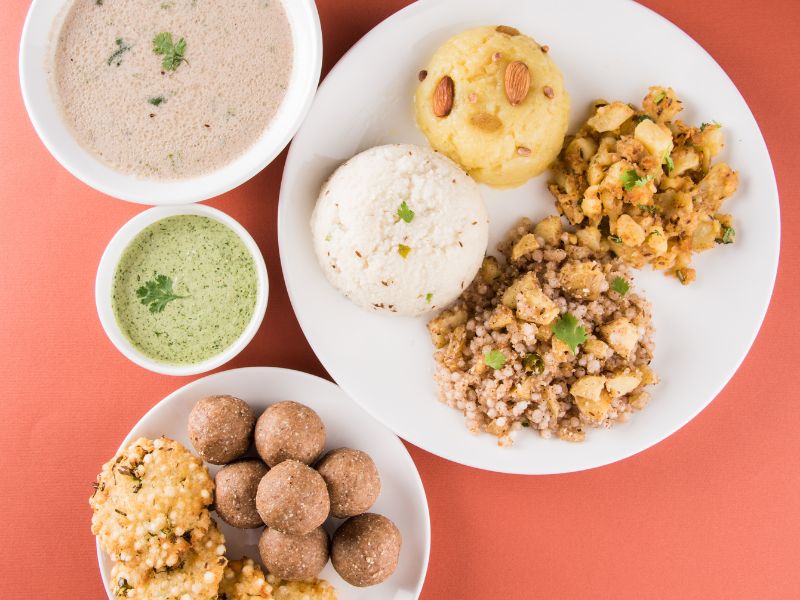
- Avoiding Certain Foods: Many fasts involve avoiding grains, pulses, and certain spices. Foods that are considered “pure” and do not interfere with the fast are allowed.
- Permissible Foods: Fruits, vegetables, dairy products, and specific fasting flours are typically consumed.
Cucumber is not explicitly mentioned as forbidden during Navratri fasts in most traditional texts. However, interpretations can vary based on local customs and personal practices.
2. Regional Variations
In some regions, dietary practices during Navratri can differ, and local traditions may influence what is considered permissible. It’s important to consider these regional variations when determining whether cucumber fits within fasting guidelines.
Practical Considerations
1. Individual Preferences and Comfort
Many people who observe Navratri fasts focus on maintaining simplicity and purity in their diet. Cucumber, being a hydrating and light vegetable, may align with these principles. If you feel comfortable consuming cucumber and it aligns with your fasting practices, it can be a suitable choice.
2. Digestive Comfort
Cucumber is known for its soothing effect on the digestive system. During fasting, when the body is adjusting to different food intake, cucumber can be a gentle addition that helps with hydration and digestion.
How to Include Cucumber in Your Navratri Diet
If you decide to include cucumber in your Navratri fasting diet, here are some ways to incorporate it:
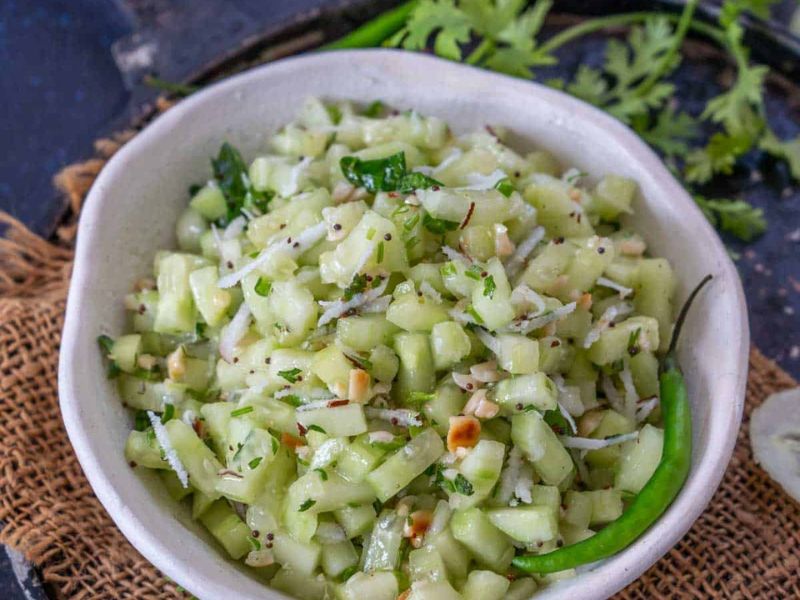
- Cucumber Salad: Create a simple cucumber salad with lemon juice and a pinch of rock salt. This can be a refreshing addition to your fasting meals.
- Cucumber Raita: Prepare a cucumber raita using yogurt, which is often included in Navratri meals. This adds a cooling effect and enhances flavor.
- Cucumber and Fruit Mix: Combine cucumber with fruits like apple or pomegranate for a hydrating and nutritious snack.
- Cucumber Juice: Fresh cucumber juice can be a hydrating and refreshing option during fasting hours.
Whether or not to eat cucumber during Navratri fasts is a matter of personal choice and interpretation of fasting guidelines. While cucumber is generally considered a non-starchy, hydrating vegetable that fits well within the principles of fasting, regional and personal traditions may influence its acceptability.
Ultimately, the key is to ensure that your fasting practices align with both your religious or cultural guidelines and your personal health and comfort. If you choose to include cucumber in your Navratri diet, it can be a nutritious and refreshing option that complements your fasting regimen. As always, it’s beneficial to consult with family, religious leaders, or personal dietary preferences to make informed choices that respect both tradition and individual well-being.
