


In this Chatha Pacha movie review, we explore a film that arrives as a refreshing love letter to the professional wrestling culture that defined a generation. When was the last time Malayalam cinema celebrated something as wonderfully niche as desi pro-wrestling? Chatha Pacha: The Ring of Rowdies doesn’t just entertain; it brings back the pure joy of Friday night wrestling shows, childhood dreams of becoming the next Stone Cold Steve Austin, and the beautiful absurdity of staged combat that felt more real than reality itself.
Debutant director Advaith Nair announces his arrival with genuine passion for his subject matter, delivering a film that understands what made WWF/WWE magical for Indian millennials and Gen Z. This is Arjun Ashokan stepping into compelling territory, supported by an ensemble that brings authentic chemistry and heart to every frame. With a surprise cameo that sets the tone and a climactic appearance from a Malayalam cinema legend that has audiences cheering, Chatha Pacha is the cinematic equivalent of your favorite childhood wrestling match—entertaining, nostalgic, and full of heart.
Quick Takeaway:
Chatha Pacha is a visually striking, nostalgia-fueled celebration of pro-wrestling culture that succeeds brilliantly in bringing “costume wrestling” to Kochi with authenticity and entertainment value. While the dramatic elements could have been deeper, the film’s genuine love for wrestling, standout performances—particularly Vedhika Sreekumar’s scene-stealing work—and that unforgettable pre-interval wrestling setup make it essential viewing for anyone seeking original, heartfelt Malayalam cinema.
Language: Malayalam
Release Date: January 22, 2026
Genre: Action, Drama, Sports Entertainment
Director: Advaith Nair (Debut)
The Plot: Brotherhood and Wrestling Dreams Collide
At its heart, Chatha Pacha is a story about childhood friendships, broken bonds, and the healing power of shared dreams. The film’s brilliance lies in how it weaves professional wrestling into the fabric of friendship and redemption—this isn’t just a movie about wrestling; it’s about what wrestling represented to those who loved it.
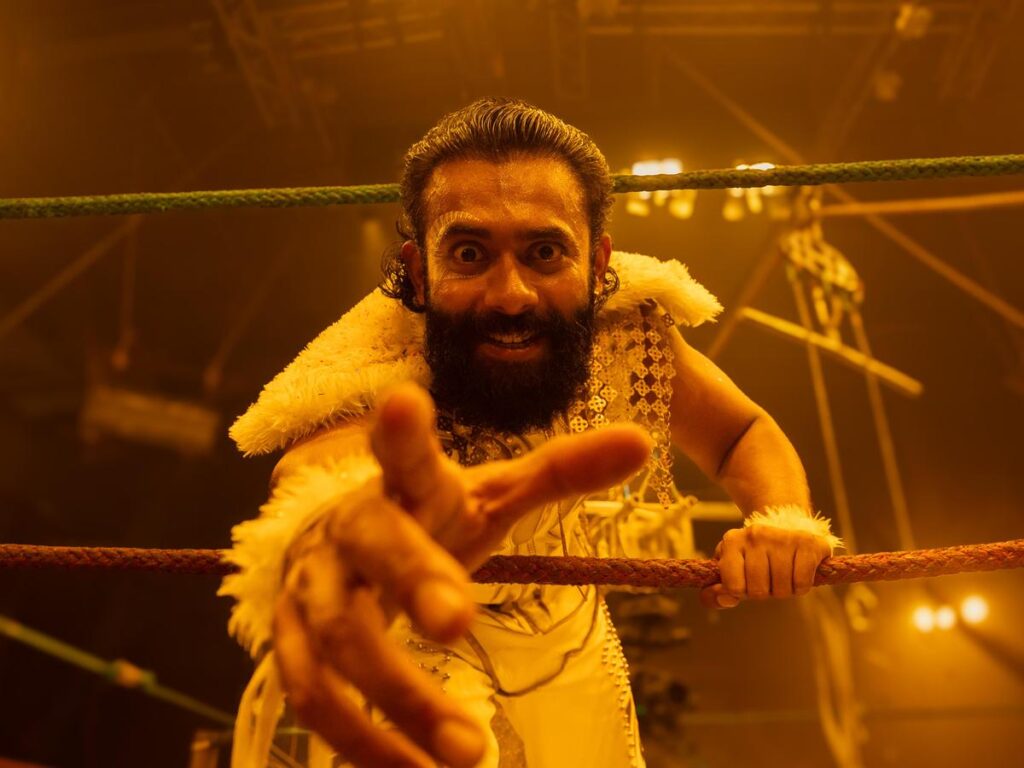
Savio, Vetri/Buva, and Thomas/Little grow up under the tutelage of legendary wrestler Bullet Walter, living and breathing the world of professional wrestling. After a childhood incident involving Maani’s son Cheriyan creates rifts that echo through the years, the grown-up Little (Ishan Shoukath) returns to Kochi with an audacious vision: bringing costume wrestling to their hometown.
What makes this narrative sing is how naturally it captures the passion wrestling fans will recognize instantly. These aren’t just characters executing a business plan—they’re dreamers trying to recreate the magic that made their childhoods special. The film understands that professional wrestling was never about “fake fights”; it was about storytelling, spectacle, and the joy of believing in something larger than life.
The pre-interval stretch where Power Punch and Friday Fight Night come to life is pure cinematic joy. Watching these characters build something from nothing, choreograph their first matches, and create their wrestling personas captures the beautiful DIY spirit that made indie wrestling special worldwide.
Performances: Everyone Gets Their Moment to Shine
Vedhika Sreekumar: The Heart of the Film
This Chatha Pacha movie review must begin with the revelation: Vedhika Sreekumar is absolutely magical as Rosamma/Rosa. She brings such warmth, authenticity, and natural charm to every scene that she becomes the emotional center around which everything else revolves. Her character could have been just a supporting presence, but Vedhika elevates Rosa into the film’s most endearing soul—the person we root for most passionately.
Watch her navigate scenes with genuine emotional intelligence, bringing depth to moments that could have played as simple plot beats. She has the rare ability to make you believe in her character’s dreams, fears, and determination without ever pushing too hard. This is a star-making performance that announces a major talent.
Arjun Ashokan: Finding Purpose Through Performance
Arjun Ashokan delivers beautifully nuanced work as Savio, a man written off by his community who finds redemption through wrestling. There’s such genuine vulnerability in how Ashokan plays the character’s journey from aimlessness to purpose. He makes us understand what it means to be given a second chance at mattering.
The physical commitment to the wrestling sequences is impressive, but it’s the quieter moments where Ashokan truly shines—the flicker of hope when Little shares his vision, the determination to prove everyone wrong, the joy of discovering he can still be someone worth knowing. This is an actor operating at the peak of his craft.
Roshan Matthew & Ishan Shoukath: The Brotherhood
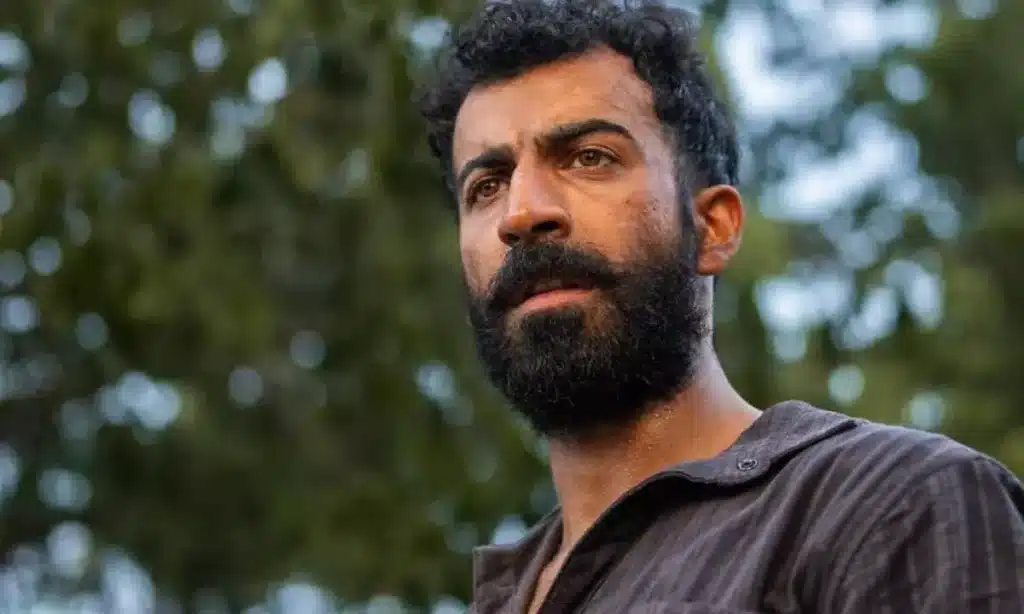
Roshan Matthew and Ishan Shoukath bring distinct energies that complement the ensemble perfectly. Matthew adds gravitas and lived-in authenticity to Vetri, while Shoukath’s Little carries the dreamer’s optimism that drives the entire narrative forward. Together with Ashokan, they create brotherhood that feels earned rather than written—you believe these three share history, pain, and unbreakable bonds.
Vishak Nair: Commanding Presence
Vishak Nair continues his impressive streak with another memorable performance. His Cheriyan commands every scene with menacing charisma, and Nair brings enough complexity to ensure the character never becomes a simple villain. There’s history and pain behind his actions, and Nair makes us feel it even as we recognize his antagonism.
The Surprises That Delight
The surprise cameo as Bullet Walter sets the perfect tone, while the climactic appearance by a Malayalam cinema icon creates genuine audience excitement. These aren’t gimmicks—they’re organic celebrations of what makes Kerala’s film culture special.
Direction and Vision: A Passionate Debut
Advaith Nair makes a directorial debut that showcases genuine love for his subject matter. Every wrestling sequence feels crafted by someone who spent countless hours watching WWF/WWE, understanding not just the mechanics but the magic. He knows how to build anticipation, create moments, and deliver the spectacle wrestling fans crave.

What’s particularly impressive is Nair’s visual storytelling during the wrestling sequences. The way he frames matches, builds crowd reactions, and captures the theatrical nature of pro-wrestling demonstrates sophisticated understanding of how to translate this unique entertainment form to cinema. The inaugural Friday Fight Night sequence alone announces a filmmaker with distinctive vision.
The pacing is generally excellent, particularly in the first half where the setup flows with infectious energy. While the dramatic conflicts in the second half could have been expanded, Nair’s instinct to keep the focus on wrestling and brotherhood serves the film’s strengths. This is a director who knows what his film does best and leans into it.
Technical Brilliance: Capturing the Wrestling Magic
Cinematography: Visual Poetry in the Ring
Anend C. Chandran delivers absolutely brilliant cinematography that captures the spectacle of costume wrestling with authenticity and flair. The way he lights the wrestling sequences, frames the in-ring action, and creates atmosphere during the Friday Fight Night shows demonstrates masterful visual storytelling. Colors pop with vibrant energy, compositions capture both intimacy and spectacle, and the camera movements enhance rather than distract.
The character introduction sequences showcase creative framing, while the pre-interval wrestling setup is a masterclass in building visual excitement. Even in portions where the execution doesn’t quite reach the heights, Chandran’s vision remains clear and compelling.
Editing: Maintaining Momentum
Praveen Prabhakar’s editing keeps Chatha Pacha moving with crisp pacing that ensures the 2+ hour runtime remains engaging. The transitions between timelines flow smoothly, the wrestling sequences are cut for maximum impact, and the build to key moments maintains excellent rhythm. The intermission point arrives with perfect timing, leaving audiences eager to see where the journey leads.
Music and Sound: Supporting the Spectacle
The collaboration between Shankar Ehsaan Loy (songs) and Mujeeb Majeed (background score) creates an effective sonic landscape that enhances without overwhelming. While no single track becomes instantly iconic, the music consistently supports the film’s emotional beats and wrestling spectacle. The background score knows exactly when to swell during wrestling entrances and when to pull back for dramatic moments.
Art & Set Design: Creating Authentic Atmosphere
The art and set design departments deserve special recognition for creating the authentic world of desi pro-wrestling. From the makeshift ring to the costume details to the Friday Fight Night atmosphere, everything feels lived-in and real. This isn’t Hollywood production values trying to look authentic—this is genuine understanding of what indie wrestling looks and feels like.
Cultural Context: A Love Letter Wrestling Fans Will Treasure
This Chatha Pacha movie review must acknowledge that the film speaks directly to everyone who spent their childhood mimicking the People’s Elbow, arguing about who would win between The Rock and Stone Cold, and believing that professional wrestling was the coolest thing in existence.
The WWF/WWE references aren’t just nostalgia bait—they’re organic expressions of how deeply this culture influenced Indian millennials and Gen Z. The film understands that professional wrestling was never about “fake fighting”; it was about storytelling, larger-than-life characters, and the beautiful suspension of disbelief that created magic for millions.
By grounding this international phenomenon in the specific context of Kochi, Nair creates something both universal and distinctly Malayali. The film celebrates wrestling’s theatrical nature while showing how it becomes something special when filtered through local culture and community bonds.
What Works Magnificently
- Vedhika Sreekumar’s star-making performance – The film’s most endearing presence
- Genuine love for wrestling culture – Authentic celebration rather than mockery
- Pre-interval wrestling setup – Pure entertainment executed with passion
- Brilliant cinematography – Anend C. Chandran captures the spectacle beautifully
- Nostalgic appeal – Perfect tribute to WWF/WWE’s cultural impact
- Unique concept – First Malayalam film to celebrate desi pro-wrestling
- Visual aesthetics – Art direction creates authentic wrestling atmosphere
- Heartfelt storytelling – Real emotion behind the spectacle
Minor Areas for Enhancement
- Dramatic depth – Core conflicts could have been more fully explored visually
- Character arcs – Rosa and some supporting characters deserved more substantial development
- Runtime refinement – Slight trimming would enhance overall momentum
Final Verdict: 4/5 Stars ⭐⭐⭐⭐
Chatha Pacha: The Ring of Rowdies is exactly what Malayalam cinema needs—a film that celebrates niche culture with genuine passion, that brings heart to spectacle, and that proves audiences are ready for stories told with authenticity and love.
This Chatha Pacha movie review celebrates a film that succeeds brilliantly in its core mission: bringing the magic of professional wrestling to Malayalam cinema with respect, entertainment value, and emotional resonance. Yes, the dramatic conflicts could have been deeper. Yes, some characters deserved more development. But these are minor considerations for a film that delivers consistent entertainment, genuine nostalgia, and some of the year’s most heartfelt moments.
For Advaith Nair, this debut announces a filmmaker who knows how to combine spectacle with heart, celebration with storytelling, and passion with craft. His understanding of what made wrestling special, combined with technical skill to bring that magic to screen, marks him as a director with distinctive voice and exciting future.
The Joy of Specific, Passionate Cinema
There’s particular magic in watching a film that loves its subject matter this deeply. In an industry sometimes afraid to embrace niche culture, Chatha Pacha celebrates professional wrestling with zero apologies and maximum heart. This is what happens when filmmakers believe their passion can translate into entertainment worth sharing.
The wrestling sequences deliver spectacle and excitement. The nostalgia hits perfectly for those who lived through WWE’s golden era in India. And beneath all the entertainment lies genuine emotion about friendship, redemption, and dreams that refuse to die.
The spectacle is intentional. The nostalgia is earned. And somewhere in all that controlled chaos is a genuine love letter to the culture that shaped a generation—passionate, entertaining, and wonderfully authentic.
