


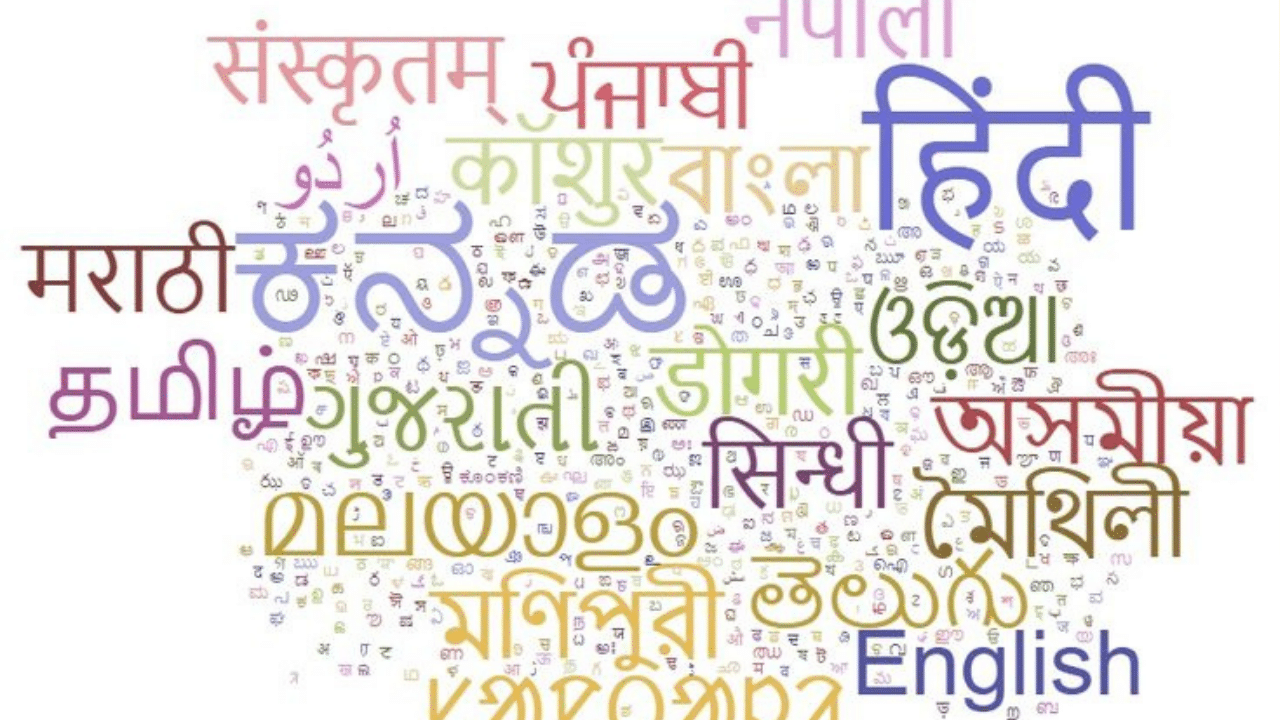
It’s a question many Indians living abroad have heard at some point. It may sound harmless or even logical — after all, people from China speak Chinese, the French speak French, Spaniards speak Spanish. So it seems fair to assume that people from India speak…Indian?
But here’s the thing: there is no language called Indian.
India is not a country with a single language. It’s a civilization — a cultural and linguistic mosaic with over 19,500 distinct languages or dialects, and 22 officially recognized languages in the Indian Constitution. When someone asks, “Do you speak Indian?”, they’re overlooking a history that is not just linguistically rich but deeply rooted in tradition, migration, and multicultural coexistence.
Let’s dive into this fascinating world and explore why there’s so much more to Indian languages than most people realize.
India: Where Language Changes Every Few Miles

India’s linguistic diversity is as vast and vibrant as its festivals, food, and philosophy. Travel 100 kilometers in any direction, and you’ll likely encounter a new dialect, a new accent, or even a completely new language.
This diversity stems from thousands of years of history — from ancient kingdoms and empires to regional trade routes and cultural evolution. India’s languages belong mainly to four language families: Indo-Aryan (spoken in the north), Dravidian (spoken in the south), Austroasiatic, and Tibeto-Burman.
So when someone asks an Indian living abroad, “What language do you speak at home?”, the answer could be anything from Hindi to Bengali, Punjabi to Malayalam, Marathi to Tamil, Telugu to Gujarati — and more.
Sanskrit: The Mother of Many Languages
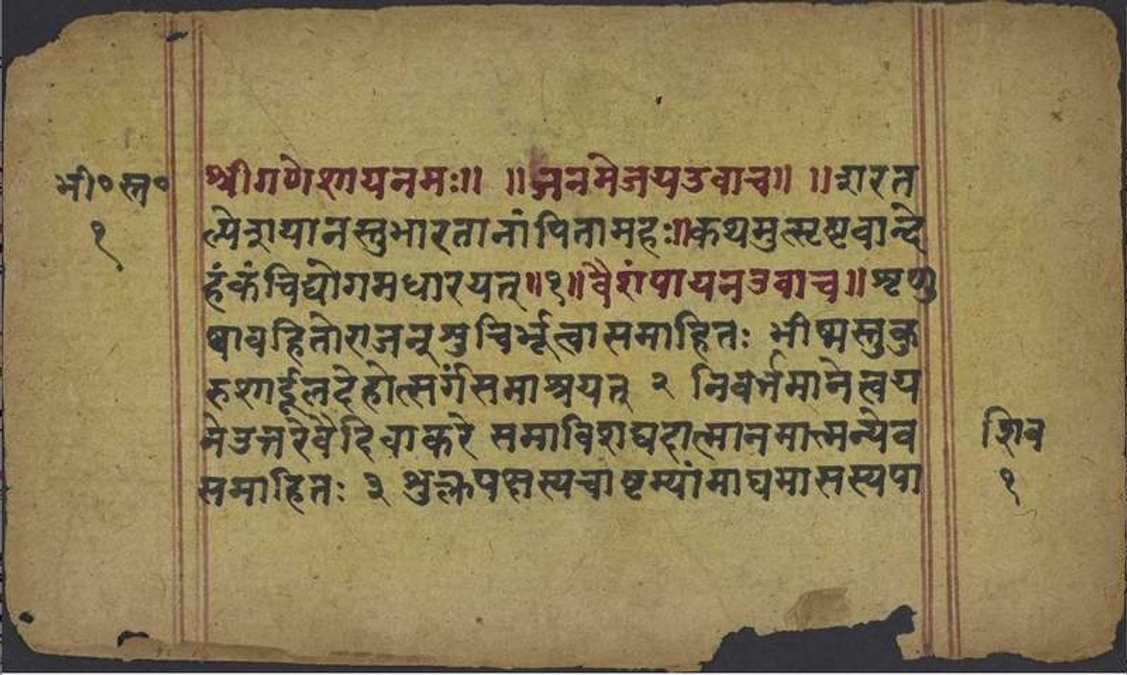
If there’s one language that deserves the title “the root of many Indian languages,” it’s Sanskrit.
Often referred to as the mother of all Indo-European languages, Sanskrit is one of the oldest languages in the world, with its earliest form dating back over 3,500 years. Many Indian languages — especially those in the Indo-Aryan family — have evolved from or been influenced by Sanskrit.
Beyond being a sacred language used in Hindu scriptures, Sanskrit is a linguistic goldmine. Words from Sanskrit have traveled across borders, forming the etymological backbone for countless words in languages such as Hindi, Marathi, Bengali, and even some European languages like Greek and Latin.
Interestingly, Sanskrit is not a dead language. It’s still studied, spoken in parts of India, and even taught in some schools and universities across the globe. Its grammatical structure is so precise that NASA scientists once said Sanskrit could be an ideal language for artificial intelligence.
Growing Up Indian in a Foreign Land: A Personal Perspective
For many Indian families living abroad — in the U.S., Canada, the U.K., or Australia — language is more than just a way of communicating. It’s a bridge to their roots, a connection to grandparents, festivals, food traditions, and cultural identity.
Take my own example: I grew up speaking Gujarati at home because my parents believed it was important for me to know our mother tongue. They didn’t just want me to “sound Indian.” They wanted me to feel Indian — to understand my nani’s stories, sing bhajans, argue over garba lyrics, and most importantly, communicate with my elders who didn’t speak much English.
Over time, I realized something powerful: languages exist because people keep them alive. When we speak our native tongues — whether it’s Telugu in Toronto or Tamil in Texas — we’re not just talking. We’re preserving history.
Languages as Cultural Identity
Languages carry more than words. They carry emotions, memories, rituals, family traditions, and ancestral wisdom.
In India, for example:
- Tamil is over 2,000 years old and remains one of the longest surviving classical languages in the world.
- Punjabi songs and poetry, deeply rooted in Sufi traditions, are celebrated across the globe.
- Malayalam boasts an intricate script and a strong literary heritage.
- Assamese, Konkani, Kashmiri, and Maithili — though lesser known globally — each have rich literary and oral traditions.
Even English, which is widely spoken and used as a link language in India, has been Indianized with local phrases, idioms, and even entire sub-genres of literature and entertainment like “Hinglish.”
So when someone assumes that there’s only one Indian language, they miss the heartbeat of India’s pluralism.
Misconception Abroad: Language as a National Identity
It’s natural for people to associate a country with one dominant language. For example:
- Japan = Japanese
- Brazil = Portuguese
- Germany = German
But India breaks that rule. India is not a nation-state in the conventional sense — it’s a civilizational state, where diversity isn’t just tolerated but celebrated.
Each Indian language is a badge of identity for its people. The language you speak in your Indian home abroad might be different from your neighbor’s — and that’s not just accepted, it’s expected.
Why It Matters: Keeping Languages Alive
When children stop speaking their native language, a piece of culture fades. But when they speak even a few words — or understand what their grandparents say — something powerful happens. They become custodians of culture.
So if you’re an Indian abroad and you speak Kannada, Sindhi, Manipuri, or Odia at home — you’re doing more than conversing. You’re carrying forward a legacy.
And if you’ve been asked, “Do you speak Indian?” — take it as an opportunity to educate, share, and celebrate the incredible linguistic universe you come from.
India doesn’t speak just one language — it speaks in hundreds of voices, rhythms, and traditions. Each language tells its own story, sings its own songs, and preserves its own truths. So no, we don’t speak Indian. We speak Hindi, Tamil, Urdu, Bengali, Telugu, Gujarati, and more.
In a world that’s increasingly globalized, holding on to your language is a revolutionary act — a way of saying, “I know where I come from.”
So next time someone asks, “Do you speak Indian?” — smile and say, “Actually, I speak Gujarati. Or Marathi. Or Kannada. Or any of the beautiful languages of India. Want to hear a few words?”
Because sometimes, language is the best way to start a conversation.
