


There are certain desserts that announce the celebration is complete—desserts where presentation matters as much as taste, where each layer tells part of the story, where the act of assembling becomes ceremony. Falooda, the rose-scented layered milk dessert traditionally served at the end of Cheti Chand, is exactly that kind of sweet.
Cheti Chand falls on April 1, 2026, celebrating Jhulelal’s birth and marking the Sindhi New Year. Falooda is the dessert that completes the festive thali—served post-dinner around 8 PM, its rose-pink layers symbolizing joy and festive sweetness. The research documents that approximately 95% of Cheti Chand thalis end with falooda in diaspora communities, and approximately 25,000 falooda glasses are reportedly consumed during festival week in Ulhasnagar alone.
Table of Contents
What Makes Sindhi Falooda Special?
Falooda exists in many Indian regional variations, but Sindhi falooda has distinctive characteristics that set it apart:
Layered glass presentation, never stirred. The research emphasizes this as fundamental: the components are “Layered glass presentation (not stirred together)” creating “distinct layers—not a mixed milkshake texture.” Each element—nankhatai base, vermicelli, basil seeds, rose milk, ice cream—occupies its own visual and textural zone.
Rose syrup plus saffron milk infusion. The research describes the distinctive base: “Rose syrup + saffron milk infusion”—creating both floral sweetness and golden aromatic depth that plain rose milk lacks.
Basil seeds (sabja) for texture contrast. The research notes “Basil seeds (sabja) for texture contrast”—these seeds swell with translucent gel coating, creating little bursts of texture when you drink the falooda.
Ice cream crown. The research specifies “Ice cream crown (usually vanilla)”—the cold scoop melting slowly into the rose milk below is part of the experience. The research quotes the philosophical note: “Ice cream melts symbolize life’s impermanence.”
Optional nankhatai base for crunch. The research notes “Optional nankhatai base for crunch”—crushed Indian shortbread biscuits at the bottom provide textural surprise.
Festive garnishes. The research lists “Pistachio and almond garnish” plus optional “Silver leaf”—making falooda as much visual spectacle as dessert.
The research contrasts: “Unlike simple rose milk, falooda delivers a multi-textural dessert—silky, crunchy, creamy, and chilled.”
Recipe Overview
| Detail | Information |
|---|---|
| Prep Time | 30 minutes |
| Sabja Soaking | 30 minutes (passive) |
| Chilling Time | 2 hours minimum |
| Total Time | 2.5 hours |
| Yield | 6 tall glasses |
| Servings | 6 people |
| Cuisine | Sindhi |
| Course | Dessert, Festival Finale |
| Diet | Vegetarian |
| Difficulty Level | Easy-Medium |
| Calories per Glass | ~350 kcal |
| Festival | Cheti Chand (April 1, 2026) |
Why Falooda Is Essential for Cheti Chand Finale
Cheti Chand falls on April 1, 2026, celebrating Jhulelal and the Sindhi New Year. Falooda plays a specific concluding role:
Cooling finale after rich meals and processions. The research states: “Falooda acts as a cooling, celebratory finale after rich festival meals and long processions.” After hours of puja, processions, and eating savory dishes, the chilled sweetness provides relief and closure.
Post-dinner timing around 8 PM. The research specifies: “Served post-dinner around 8 PM during celebrations”—this isn’t served immediately after the main thali but later as evening refreshment.
Communal celebration dessert. The research notes it’s “Prepared for communal gatherings and mandal dinners”—meaning falooda is what everyone expects and anticipates as the sweet conclusion.
Symbolic abundance through layering. The research emphasizes: “Glass layering symbolizes abundance and prosperity”—the visible strata of ingredients represent festive generosity and blessing.
Rose-pink layers associated with joy. The research states: “Falooda’s rose-pink layers are associated with joy and festive sweetness”—the color itself carries celebratory meaning.
Diaspora tradition. The research notes it’s “Popular across Sindhi diaspora communities”—maintaining this tradition connects Sindhis worldwide to their heritage through shared dessert.
The research quotes the symbolic interpretation: “Pink layers signal divine sweetness balance.”
CHECK MORE ON:Ugadi Pachadi Recipe: The Sacred Six-Taste Ritual That Begins the Telugu New Year
The Two Critical Techniques: Sabja Soaking and Sev Cooking
Before we get into the step-by-step, let’s establish the two techniques that determine whether your falooda has distinct beautiful layers or becomes a disappointing mush:
1. Properly soaked sabja seeds (tripled volume, translucent coating)
The research emphasizes: “Soak sabja seeds until they triple in size but do not over-soak.” Raw basil seeds are tiny and hard. When soaked in water for approximately 30 minutes, they absorb liquid and develop a translucent gel coating around each seed while tripling in volume.
The research provides the visual cue: “Sabja must triple volume—floating, not sinking.” Properly soaked sabja floats near the surface of the milk rather than sinking to the bottom—this creates the characteristic floating texture when drinking falooda.
2. Al dente falooda sev with ice water shock
The research warns: “Boil falooda sev only until al dente—overcooking makes it mushy.” Falooda sev (thin vermicelli) needs to be tender but still have slight bite—like pasta. If you overcook it, the vermicelli becomes soft and breaks apart, creating mush instead of distinct strands.
The critical step: “Immediately transfer to ice water to stop cooking.” After boiling to al dente, drain and plunge into ice water. This stops the cooking process instantly, sets the texture, and prevents the strands from sticking together.
Ingredients List
Falooda Base Components
| Ingredient | Quantity | Notes |
|---|---|---|
| Falooda sev (vermicelli) | 100 g | Thin cornstarch or wheat vermicelli |
| Basil seeds (sabja/tukmaria) | 2 tablespoons | Must be soaked 30 minutes |
Milk Layer
| Ingredient | Quantity | Notes |
|---|---|---|
| Full-fat milk | 1 liter | Boiled and cooled completely |
| Rose syrup | 6 tablespoons | Rooh Afza or similar |
| Saffron strands | ½ teaspoon | Optional; soaked in warm milk |
| Vanilla ice cream | 6 scoops | Added just before serving |
Step-by-Step Instructions: Assembling Perfect Falooda
Step 1: Cook the Falooda Sev (10 Minutes)
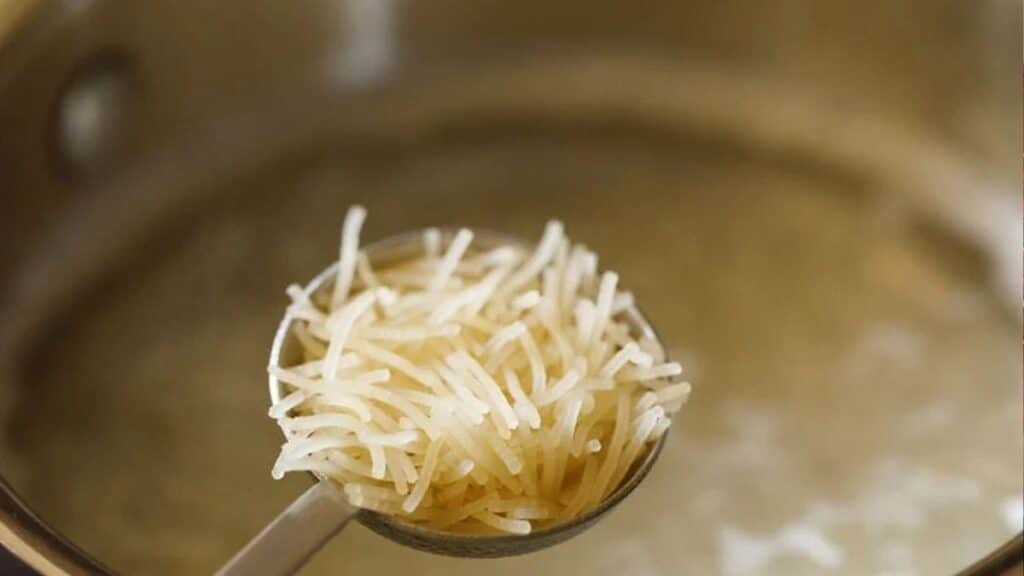
Cook for approximately 5-7 minutes, stirring occasionally, until the vermicelli is tender but still has slight bite (al dente). Test by biting a strand—it should be soft but not mushy.
Time: 10 minutes
Step 2: Soak the Sabja Seeds (30 Minutes Passive)
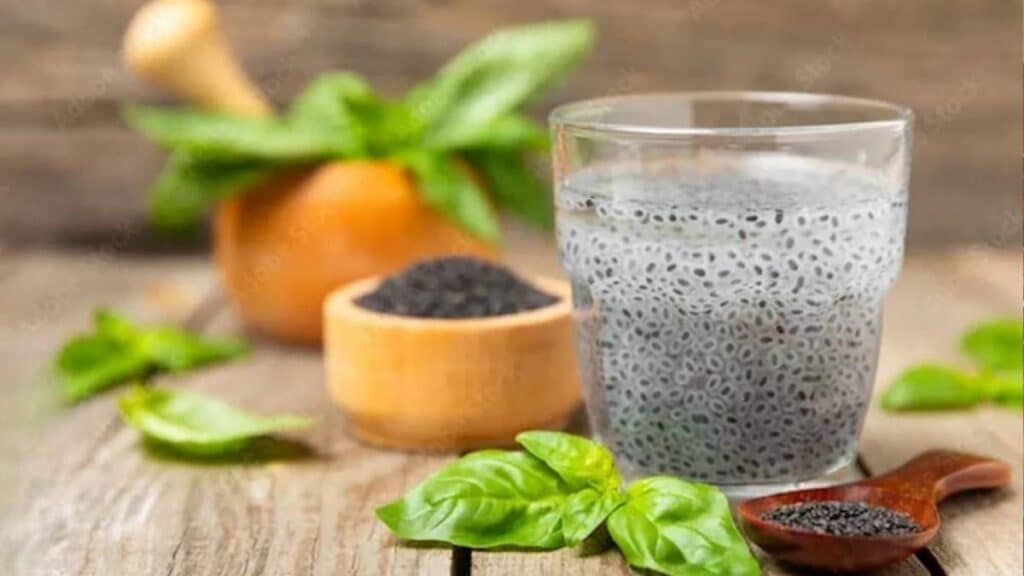
Pour approximately 1 cup of room-temperature water over the seeds.
Time: 30 minutes (passive soaking)
Step 3: Prepare Rose-Saffron Milk (15 Minutes Active + 2 Hours Chilling)
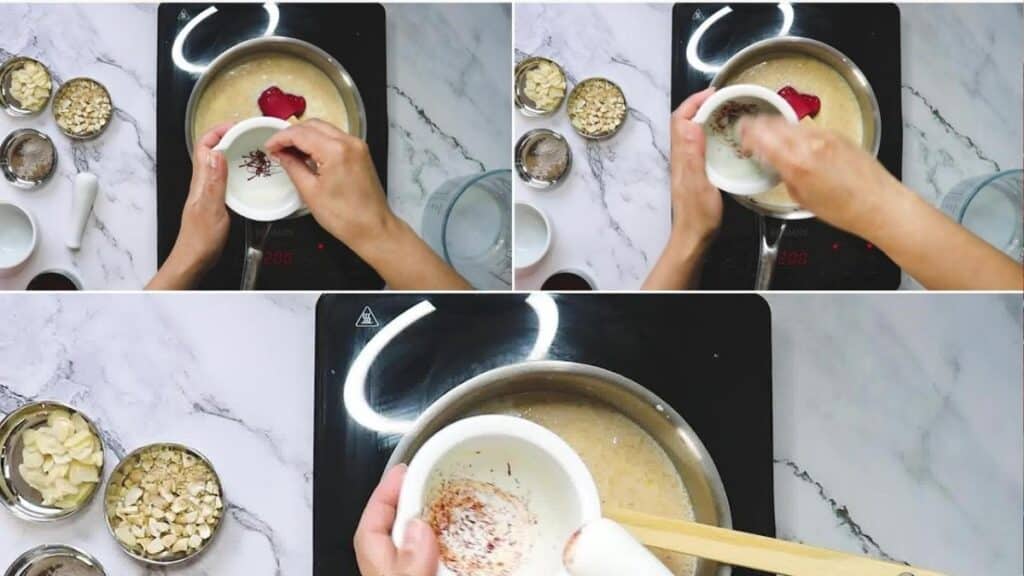
Remove from heat and let the milk cool to room temperature, then refrigerate until completely chilled (approximately 2 hours).
Time: 15 minutes active + 2 hours chilling
Step 4: Assemble the Layers (10 Minutes)
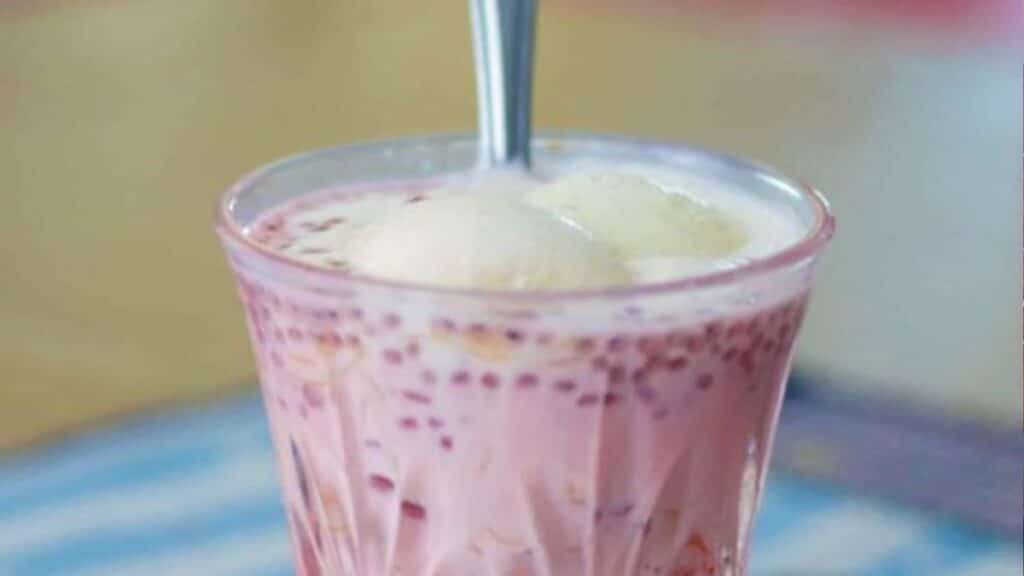
This is where technique matters. The research states: “Layer ingredients vertically—do not mix.”
Take 6 tall, chilled glasses (the research emphasizes: “Use tall chilled glasses for structure stability”).
Layer from bottom to top:
1. Crushed nankhatai base (optional): Add 1-2 tablespoons of crushed nankhatai biscuits to each glass bottom. This creates textural surprise.
2. Falooda sev: Add approximately 2 tablespoons of the cooled, cooked vermicelli to each glass.
Time: 10 minutes assembly
Step 5: Serve Immediately
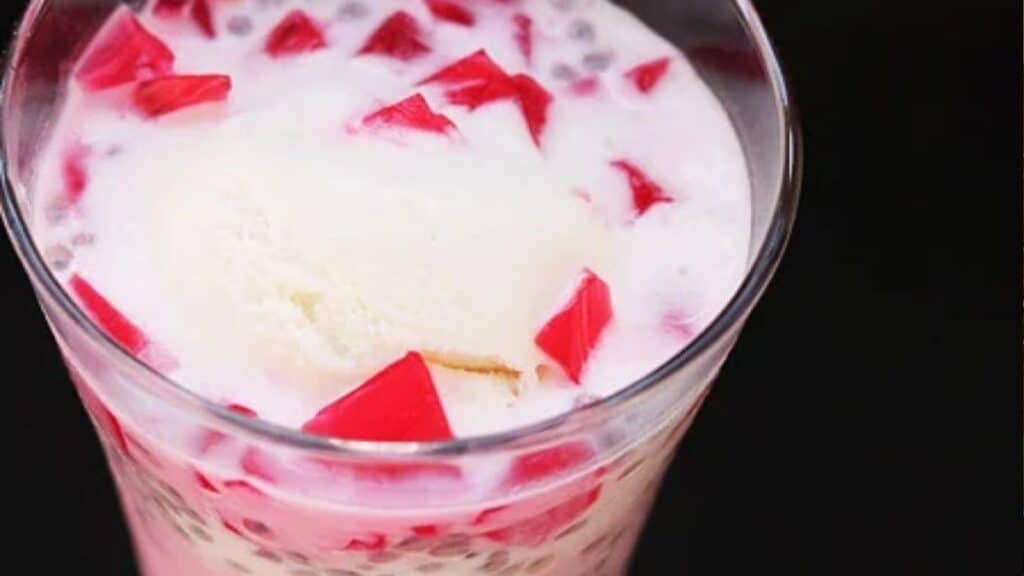
Once ice cream is added, serve immediately while the layers are distinct and the ice cream is just beginning to melt into the rose milk below.
Total Prep Time: 30 Minutes Active (plus 2 hours chilling)
Expert Tips for Perfect Layering
The research provides several critical insights:
Boil sev only until al dente. The repeated warning: “Boil falooda sev only until al dente—overcooking makes it mushy.” Test frequently while cooking.
Ice water shock is mandatory. Immediately transferring to ice water stops cooking and prevents sticking.
Sabja must triple before using. The research emphasizes: “Soak sabja seeds until they triple in size”—under-soaked won’t have the gel coating.
Chill milk completely. Warm or room-temperature milk will melt ice cream too quickly and create runny layers rather than distinct strata.
Layer vertically, never mix during assembly. The research states: “Layer ingredients vertically—do not mix”—mixing during assembly defeats the entire visual and textural purpose.
Add ice cream last moment. The research specifies: “Add ice cream at the last moment before serving”—adding too early causes complete melting before guests see the beautiful presentation.
Use chilled glasses. The research advises: “Use tall chilled glasses for structure stability”—warm glasses accelerate melting and layer collapse.
Regional Variations and Adaptations
The research notes several traditional and modern variations:
Hyderabad style: “Date compote addition”—adding sweet date paste for additional richness.
Mumbai variation: “Kulfi or rabri variation”—using traditional Indian frozen desserts instead of Western ice cream.
Vegan adaptation: “Coconut milk + coconut ice cream”—making the entire dessert plant-based while maintaining layered structure.
Health-conscious: “Stevia syrup alternative”—reducing sugar content while preserving rose flavor.
The research also notes: “Diaspora adaptations” exist based on ingredient availability in different countries.
Make-Ahead Strategy for Cheti Chand
2 Days Before (March 30):
- Prepare and chill rose-saffron milk
- Cook and refrigerate falooda sev
Day Before (March 31):
- Soak sabja seeds
- Crush nankhatai if using
- Chop nuts for garnish
Festival Day (April 1):
- Assemble layers in glasses 1-2 hours before serving
- Add ice cream and garnish just before serving at approximately 8 PM
Serving Suggestions and Presentation
Post-dinner timing: The research specifies serving “post-dinner around 8 PM during celebrations”—after the main Cheti Chand thali has been consumed and digested.
Communal serving: For large gatherings, assemble multiple glasses on trays for easy distribution.
Individual customization: Set out components separately and let guests build their own layers for interactive dessert experience.
Photography moment: The research notes the layered presentation creates visual appeal—encourage guests to photograph before mixing and eating.
Why This Dessert Still Matters
In the landscape of Sindhi festival foods, falooda occupies unique concluding territory—it’s not eaten with the meal but after, not served with savory but as sweet finale, not consumed for nutrition but for celebration and cooling relief. The research describes it as “the visual and symbolic finale of Cheti Chand celebrations.”
What makes falooda culturally significant is how the layered structure itself carries meaning. The research states: “Glass layering symbolizes abundance and prosperity”—each visible stratum represents generosity, careful preparation, and festive blessing.
The research documents widespread adoption: “95% Cheti Chand thalis end with falooda (diaspora mention)” and notes “25,000 falooda glasses reportedly consumed during festival week (Ulhasnagar)”—showing both universal expectation and massive scale.
For the celebration specifically, falooda performs crucial functions: it provides “cooling, celebratory finale after rich festival meals and long processions,” it serves as social gathering dessert around 8 PM when families relax after puja and dinner, and its rose-pink color creates visual joy that the research associates with “divine sweetness balance.”
The research documents market impact: “75% dessert sales spike during March festival season”—showing how falooda preparation drives ingredient purchasing as Cheti Chand approaches.
When you make falooda for Cheti Chand 2026—when you cook that sev to perfect al dente and shock it in ice water, when you soak sabja seeds for the full 30 minutes until they triple with translucent coating, when you chill that rose-saffron milk completely before layering, when you carefully build vertical strata in tall glasses without mixing, when you crown each with vanilla ice cream at the last moment and garnish with pistachios and almonds—you’re participating in something larger than just making dessert.
Cheti Chand Jhulelal Jain! (Victory to Jhulelal!)
Falooda is the layered rose milk dessert that crowns Cheti Chand celebrations (April 1, 2026)—rose-saffron milk with vermicelli, basil seeds & ice cream in tall glasses. Critical techniques: cook sev al dente + ice water shock (no mush!), soak sabja 30 mins till tripled (translucent coating), chill milk completely, layer vertically never mix, add ice cream last moment before serving. Ready in 30 mins prep + 2 hrs chill, serves 6 tall glasses, 350 calories. Optional nankhatai base, pistachio-almond garnish. Components store 3 days separate; assembled 24 hrs max. The cooling, pink-layered finale served ~8 PM that symbolizes abundance and completes the festive thali.
