


Every January 13th, as winter’s chill reaches its peak, something shifts in Punjabi households—even those thousands of miles from the fields of Punjab. The smell of gajjak being unwrapped, the hum of “Sunder mundriye ho” echoing in living rooms, and the promise of warmth, both from bonfires and from being together. Lohri isn’t just a festival; it’s the moment when winter loosens its grip, when families gather to honor the harvest and welcome the sun’s return.
Quick Summary:
Lohri is a North Indian harvest festival celebrated on January 13th, marking the winter solstice with bonfires, folk music, traditional offerings, and community gatherings. It honors the Rabi crop harvest and symbolizes new beginnings, especially for newborns and newlyweds.
Table of Contents
What Is Lohri and Why Is It Celebrated?
Lohri is the heartbeat of Punjabi winter—a harvest festival that celebrates the end of the coldest month (Paush in the Hindu calendar) and the sun’s northward journey, known as Uttarayan. For farming communities, this day marks gratitude for the winter crops: sugarcane, wheat, mustard, and sesame. The festival is deeply tied to the agricultural cycle, a moment to thank Agni (Fire) and Surya (the Sun God) for sustaining life and promising fertility for the season ahead.
But beyond the fields, Lohri has evolved into something more universal. For Punjabi families—whether in Chandigarh, Toronto, or California—it’s a celebration of warmth in the middle of winter’s darkness. It’s about gathering around fire, literally and figuratively, and feeling connected to something ancient, cyclical, and deeply human.
The festival holds special significance for families celebrating their first Lohri with a newborn or newlywed couple. There’s a tenderness in watching new parents dress their baby in traditional clothes, or a young bride nervously performing her first phera around the fire. These moments carry weight—not just for the individuals, but for the entire community witnessing continuity and new chapters.
The Heart of Lohri: The Bonfire Ritual
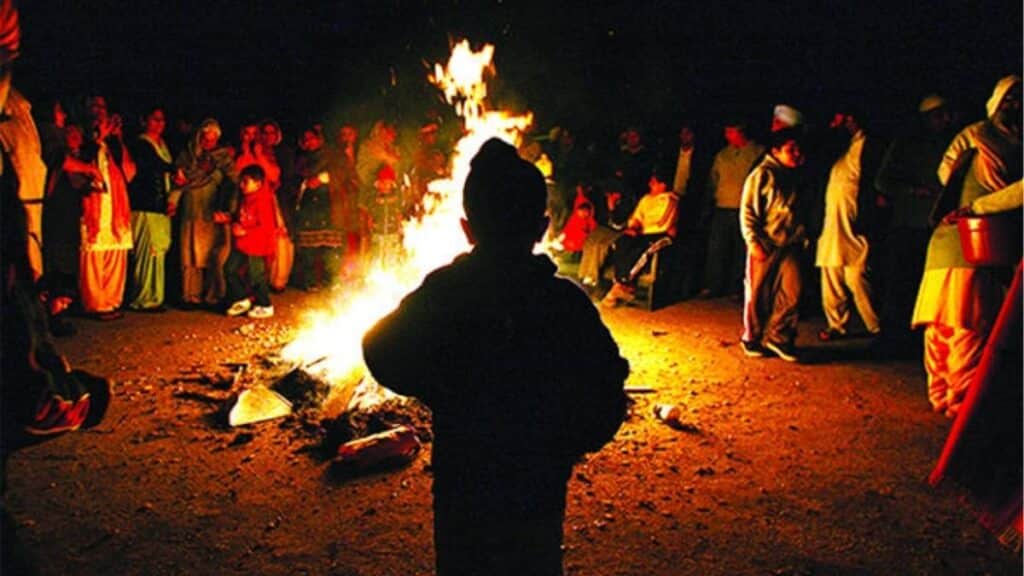
The bonfire is where Lohri truly lives. As dusk falls, families and neighbors gather in courtyards, parks, or backyards (if you’re celebrating abroad), and a large fire is lit. The flames crackle upward, and everyone forms a circle around it. There’s something primal and comforting about fire—it draws you in, makes you want to stay close.
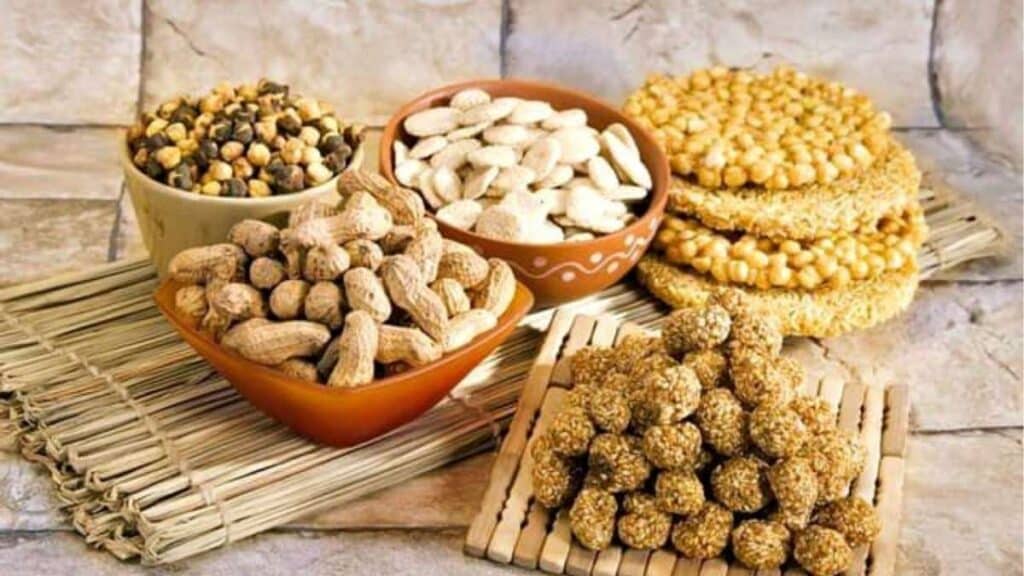
People make offerings to the fire, tossing in handfuls of sesame seeds, jaggery, puffed rice, popcorn, peanuts, and gajjak (a brittle made from sesame and jaggery). Each offering is a small prayer: for prosperity, for health, for the year ahead. You circle the fire clockwise, sometimes singing, sometimes just watching the flames consume the offerings and carry wishes skyward.
For kids, this part is magic—the act of throwing food into fire and watching it transform. For adults, especially those who’ve moved away from Punjab, it’s grounding. The ritual hasn’t changed much over generations. Your grandmother did this. Her grandmother did this. And now, here you are, doing the same thing, keeping something alive.
Traditional Lohri Offerings and Their Significance
- Til (Sesame Seeds): Symbolize abundance and fertility
- Gur (Jaggery): Represents sweetness and prosperity in the coming year
- Moongphali (Peanuts): A winter crop staple, signifying gratitude
- Rewri and Gajjak: Traditional sweets made from sesame and jaggery
- Popcorn and Puffed Rice: Symbolize the bursting forth of new life and harvest
Music, Dance, and the Spirit of Dulla Bhatti
If the bonfire is Lohri’s heart, then music and dance are its pulse. As the fire burns, the air fills with the beat of dhol drums and the energetic rhythms of Bhangra and Giddha. Men and women, sometimes separately, sometimes together, break into traditional folk dances—shoulders bouncing, feet stamping, voices rising.
The most iconic Lohri song is “Sunder Mundriye Ho,” a folk ballad honoring Dulla Bhatti, a Punjabi folk hero from the Mughal era who’s remembered for rescuing girls from being trafficked and arranging their marriages with dignity. The song isn’t just entertainment; it’s oral history, passed down through generations, reminding everyone that Lohri also celebrates justice, kindness, and standing up for what’s right.
In the diaspora, this part of Lohri can feel especially poignant. Families who’ve been away from Punjab for years still know every word of “Sunder Mundriye.” Kids who’ve grown up in suburban New Jersey or Melbourne learn the lyrics and the steps, often in community centers or through YouTube videos. It’s a way of saying: we remember where we come from, even if we’re building lives elsewhere.
Popular Lohri Folk Songs and Dances
- Bhangra: High-energy dance performed by men, characterized by vigorous shoulder movements and kicks
- Giddha: Traditional women’s dance featuring clapping, spinning, and storytelling through movement
- “Sunder Mundriye Ho”: The most beloved Lohri folk song celebrating Dulla Bhatti
- Regional variations: Different communities add their own folk songs and dance styles
First Lohri: Celebrating New Beginnings
There’s a unique sweetness to celebrating a “first Lohri”—whether it’s a baby’s first or a newlywed couple’s first festival together. Families go all out: decorating the house, preparing elaborate feasts, inviting extended family and friends. For a newborn’s first Lohri, parents often dress the baby in traditional Punjabi attire—tiny phulkari dupattas or miniature turbans—and the community showers the child with blessings and gifts.
For newlyweds, the first Lohri holds different emotions. It’s their first major festival as a married couple, and it often involves both families coming together. The bride and groom perform rituals around the bonfire, and there’s a sense of the couple being welcomed fully into their new roles.
These celebrations aren’t just about the individuals—they’re about the community bearing witness. Everyone participates in the joy, because in Punjabi culture, milestones are never solitary. Your happiness becomes everyone’s happiness, and that collective celebration is what makes Lohri so powerful.
Traditional Lohri Foods and Feast
Lohri wouldn’t be complete without the feast. The traditional menu is winter-heavy, warming, and deeply satisfying. Expect sarson da saag (mustard greens) served with makki di roti (cornbread), white butter melting on top. There’s gur and til combinations in every form—rewri, gajjak, pinni (ladoos made from wheat flour, jaggery, and ghee).
Families prepare rich dishes: dal makhani simmering for hours, tandoori chicken if non-vegetarian, gajar ka halwa (carrot pudding) for dessert. Everything is cooked with love and in quantities meant for sharing. In Punjabi households, no one leaves hungry—plates are piled high, and seconds are mandatory.
For those celebrating abroad, these food traditions become even more intentional. Grocery trips to Indian stores for authentic ingredients, calling back home for recipe clarifications, and recreating the exact taste of gajjak your mother used to make—it all becomes part of keeping the festival alive in new soil.
Essential Lohri Dishes
Main Course:
- Sarson da saag with makki di roti and white butter
- Dal makhani with rice or naan
- Tandoori chicken or paneer tikka
Sweets and Snacks:
- Gajjak (sesame and jaggery brittle)
- Rewri (crystallized sugar and sesame candy)
- Pinni (wheat flour and jaggery ladoos)
- Gajar ka halwa (carrot pudding with khoya)
- Til laddoos (sesame seed balls)
Lohri in the Diaspora: Keeping Traditions Alive
For Punjabi families living outside India, Lohri carries extra layers of meaning. It’s not just about celebrating a harvest festival—it’s about creating continuity, teaching kids about their heritage, and building community in places where “Punjabi” might not be the norm.
Community centers, gurdwaras, and cultural organizations organize Lohri events with bonfires (often with permits secured months in advance), catered food, and hired Bhangra troupes. Families drive hours to attend, because being surrounded by people who understand the festival’s significance—who know the songs, who’ve tasted the same childhood memories—feels essential.
Kids born and raised abroad might not fully grasp why everyone’s so excited about throwing popcorn into fire, but they absorb the atmosphere: the warmth, the laughter, the sense of belonging. Years later, when they’re adults making their own choices about cultural identity, these childhood Lohri celebrations become touchstones—proof that their parents cared enough to pass something down.
Some families adapt traditions out of necessity. Bonfires might become fire pits or even candles if local regulations don’t allow open flames. The menu might include fusion dishes or accommodate dietary restrictions. But the essence remains: gathering together, honoring the cycle of seasons, and celebrating life’s warmth in the middle of winter.
The Deeper Meaning: Why Lohri Still Matters
On the surface, Lohri is about fire, food, and folk songs. But dig deeper, and it’s about something more fundamental: resilience. It’s celebrated at the darkest, coldest point of winter, right when giving up would feel easiest. And instead of retreating, people light fires, dance, feast, and declare—out loud and together—that winter will end, that spring is coming, that the sun will return.
That’s not just agricultural optimism; it’s a philosophy of living. Every year, Lohri reminds families that darkness is temporary, that community sustains you, and that celebration isn’t a luxury—it’s how you survive.
For immigrant families especially, this message resonates differently. Moving to a new country, adapting to unfamiliar systems, raising kids between cultures—it all requires its own kind of resilience. Lohri becomes a yearly reminder that you’ve survived another cycle, that you’re still connected to your roots, and that the warmth you create together—whether in India or abroad—is real and sustaining.
How to Celebrate Lohri: Practical Tips
If you’re celebrating for the first time or want to revive traditions:
- Gather people: Lohri is inherently communal. Invite family, friends, neighbors—the more, the better.
- Prepare offerings: Buy or make gajjak, rewri, peanuts, popcorn, and sesame seeds for the bonfire.
- Organize the bonfire safely: Check local fire regulations. Use a fire pit or contained setup if open bonfires aren’t allowed.
- Cook traditional foods: Even if it’s your first time, try making sarson da saag or buying it from an Indian restaurant.
- Learn the songs: Play “Sunder Mundriye Ho” and other Lohri folk songs—lyrics are easy to find online.
- Dress the part: Traditional Punjabi attire adds to the festive atmosphere—salwar kameez, phulkari dupattas, or kurta pajamas.
- Involve children: Explain the festival’s significance in age-appropriate ways. Let them help with preparations.
- Document it: Take photos, record videos. These become precious memories.
If you’re far from community:
Even a small celebration counts. Light a candle safely, play Lohri music, cook one traditional dish, and video call family back home. The ritual doesn’t require perfect execution—it requires intention.
What date is Lohri celebrated?
Lohri is celebrated on January 13th every year.
Why do we celebrate Lohri?
Lohri marks the end of winter, celebrates the harvest of Rabi crops, and honors the sun’s northward journey.
What food is eaten on Lohri?
Traditional foods include sarson da saag, makki di roti, gajjak, rewri, peanuts, and til laddoos.
What is thrown in the Lohri fire?
Sesame seeds, jaggery, peanuts, popcorn, puffed rice, and traditional sweets like gajjak are offered to the bonfire.
