

Mahashivratri is one of the most sacred and spiritually powerful festivals in Hinduism, dedicated entirely to Lord Shiva. Unlike most Hindu festivals celebrated with vibrant colors and joyous revelry, Mahashivratri is observed through silence, fasting, meditation, and night-long worship. The festival symbolizes the overcoming of darkness and ignorance, marking a journey toward inner awakening and spiritual transformation.
Observed on the darkest night of the lunar month, Mahashivratri represents the cosmic union of consciousness (Shiva) and energy (Shakti). It is a night when devotees stay awake, perform rituals, chant mantras, and engage in deep contemplation. The festival is rooted in ancient Hindu traditions and carries profound spiritual meaning—encouraging discipline, self-purification, and the dissolution of ego.
Mahashivratri is primarily observed by Shaiva Hindus, but it is widely celebrated across India and among Hindu communities worldwide, including in the USA, UK, Canada, Australia, UAE, and beyond. The festival’s emphasis on meditation, introspection, and devotion resonates with spiritual seekers across cultures, making it a deeply meaningful observance for millions.
When Is Mahashivratri Celebrated in 2026?
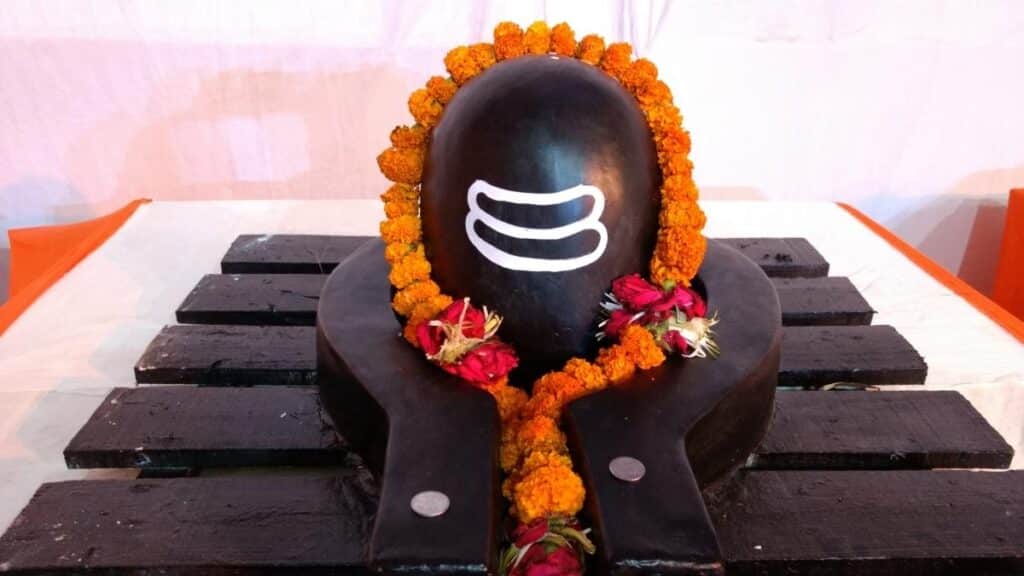
Mahashivratri is celebrated on the 14th day of the waning moon (Krishna Paksha Chaturdashi) in the Hindu lunar month of Phalguna, which typically falls in February or early March.
Mahashivratri In India 2026 Dates
Day 1: Mahashivratri – February 15, 2026 (Sunday)
- Fasting begins at sunrise
- Day-long spiritual observances
- Four Prahar Pujas throughout the night
- All-night vigil (Jagaran)
Day 2: Parana (Fast Breaking) – February 16, 2026 (Monday)
- Nishita Kaal Puja (Most Auspicious): 12:02 AM – 12:56 AM IST
- Fast breaking after sunrise, before Chaturdashi Tithi ends
- Temple visits continue
The night-time worship period is considered the most spiritually potent, especially during Nishita Kaal, when Shiva’s energy is believed to be at its peak.
Table of Contents
Download the Mahashivratri Special – Sacred Book of Shiva Mantras
Mahashivratri In USA, Canada, Australia, New Zealand, UK, UAE, Singapore 2026 Dates
- Maha Shivaratri: Sunday, February 15, 2026
- Nishita Kaal Puja Time: 11:43 PM (Feb 15) to 12:36 AM (Feb 16)
- Parana Time (Fast Breaking): 06:49 AM to 07:04 AM, February 16
- Maha Shivaratri: Sunday, February 15, 2026
- Nishita Kaal Puja Time: 11:49 PM (Feb 15) to 12:44 AM (Feb 16)
- Parana Time (Fast Breaking): 07:03 AM to 07:04 AM, February 16
- Maha Shivaratri: Sunday, February 15, 2026
- Nishita Kaal Puja Time: 12:57 AM to 01:39 AM, February 16
- Parana Time (Fast Breaking): 06:37 AM to 04:37 PM, February 16
- Maha Shivaratri: Sunday, February 15, 2026
- Nishita Kaal Puja Time: 11:56 PM (Feb 15) to 12:48 AM (Feb 16)
- Parana Time (Fast Breaking): 06:52 AM onwards, February 16
- Maha Shivaratri: Sunday, February 15, 2026
- Nishita Kaal Puja Time: 12:08 AM to 12:59 AM, February 16
- Parana Time (Fast Breaking): 06:53 AM to 03:24 PM, February 16
- Maha Shivaratri: Sunday, February 15, 2026
- Nishita Kaal Puja Time: 12:55 AM to 01:43 AM, February 16
- Parana Time (Fast Breaking): 07:16 AM to 04:20 PM, February 16
Why Mahashivratri Dates Change Every Year?
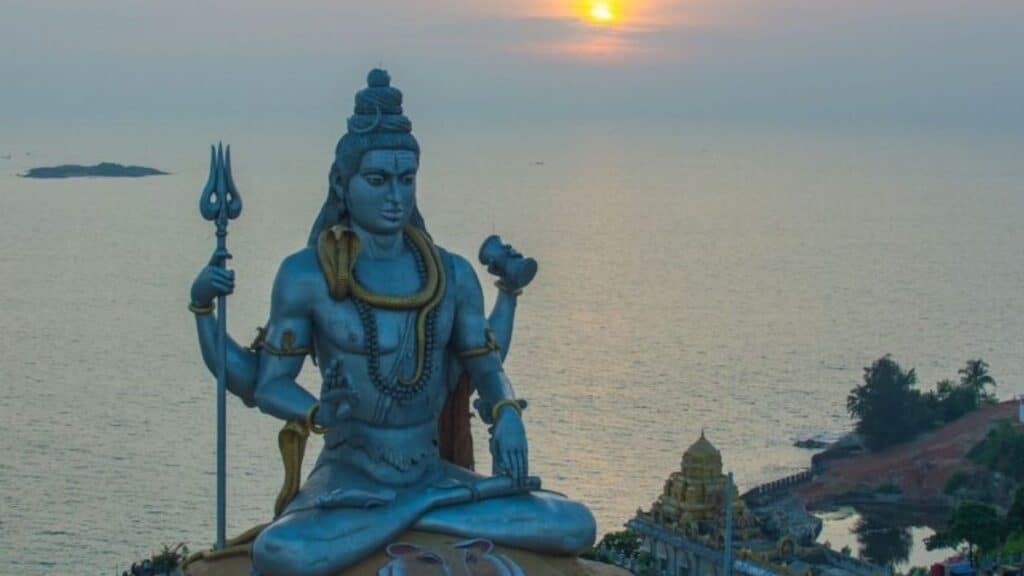
Mahashivratri is celebrated based on the Hindu lunar calendar, not the Gregorian calendar.
It falls on Phalguna Krishna Chaturdashi (the 14th day of the waning moon in Phalguna month), which usually occurs in February or early March.
Since lunar months are shorter than solar months:
- Mahashivratri’s date shifts every year
- Timing depends on moon position and local sunrise
- Ritual timings (like Nishita Kaal) are calculated using planetary positions
How is Nishita Kaal Muhurat Decided?
The most auspicious time for Mahashivratri worship is Nishita Kaal, the midnight period when Shiva’s cosmic energy is at its peak.
- Nishita Kaal is the period around midnight during Chaturdashi Tithi
- It is determined by the moon’s position and local midnight calculations
- This timing is considered ideal for Shiva lingam puja
- Devotees aim to perform worship during this sacred window
- Local panchang calculations determine precise timings for each region

Mahashivratri Other Names & Regional Identities
General Names:
- Mahashivratri / Maha Shivaratri — Standard name in Hindi, English, Sanskrit
- Shivratri — Simplified common usage
- The Great Night of Shiva — English translation
North & East India
- Shivratri — Common in Hindi-speaking regions
- Maha Shivratri — Uttar Pradesh, Bihar, Jharkhand
- Herath / Haerath / Har-ratri — Kashmir (in Kashmir Shaivism tradition)
South India
- Maha Sivaratri — Tamil Nadu
- Mahashivaratri — Karnataka, Andhra Pradesh, Telangana
- Sivaratri — Common Tamil usage
Other Regional / Cultural Variants
- Jagara — Odisha (emphasizing the night vigil aspect)
- Pradosh Shivratri — Twilight-focused observance
- Sawan Shivratri — Monthly Shivratri during Sawan month (different from Mahashivratri)
Diaspora / International Naming
- Mahashivaratri — Standard among global Hindu communities
- Shiva’s Night / Great Night of Shiva — English-speaking diaspora
- Shivaratri Festival — Common in Western contexts
The Origins, History, and Legends of Mahashivratri
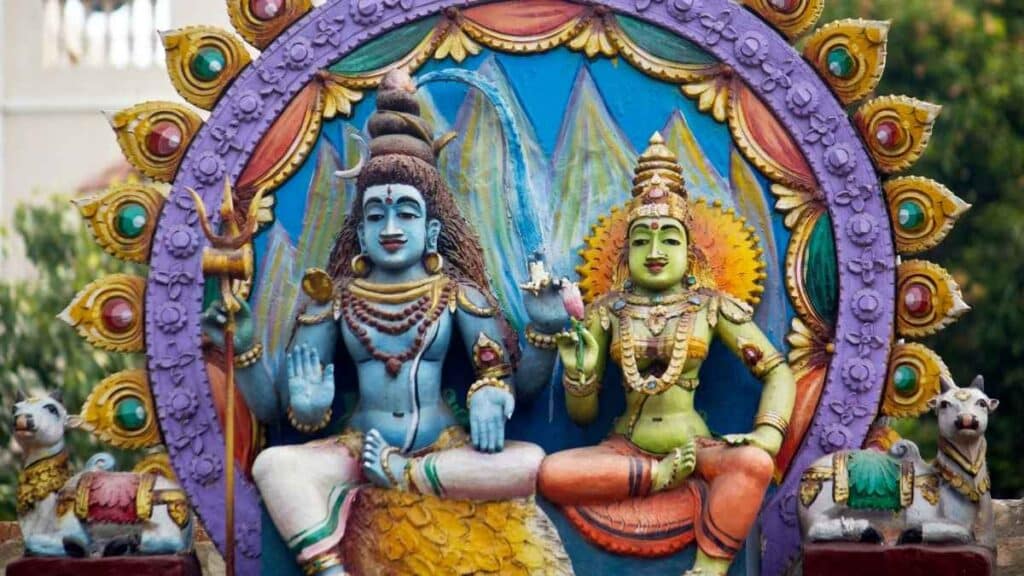
Mahashivratri is one of the oldest festivals in Hindu tradition, with its origins believed to date back to the 5th century BCE. The festival is extensively mentioned in several Puranas, particularly the Skanda Purana, Linga Purana, and Padma Purana, which describe it as a night of deep spiritual significance dedicated to Lord Shiva.
Historically, Mahashivratri has served as a confluence of devotion, art, and culture, with major Hindu temples hosting dance festivals, scriptural recitations, and community gatherings. The festival has evolved from ancient Vedic and Tantric worship traditions into a widely observed spiritual event that transcends sectarian boundaries.
The most prominent legends associated with Mahashivratri include:
The Cosmic Dance (Tandava) According to Shaivism tradition, Mahashivratri is the night when Shiva performs the heavenly Tandava—the cosmic dance of creation, preservation, and destruction. This dance represents the eternal rhythm of the universe, and devotees join this cosmic celebration through chanting, worship, and meditation.
The Divine Marriage of Shiva and Parvati Another legend states that Mahashivratri is the night when Shiva and Parvati were married, symbolizing the sacred union of consciousness (Shiva) and energy (Shakti). This cosmic marriage represents balance, harmony, and the integration of masculine and feminine energies.
The Halahala (Poison) Episode It is believed that during the Samudra Manthana (churning of the ocean), a deadly poison called Halahala emerged. To save the universe, Shiva consumed the poison and held it in his throat, which turned blue. This act earned him the name Nilakantha (the blue-throated one), and Mahashivratri commemorates this selfless sacrifice.
The Path to Liberation According to scriptural texts, offering worship to Shiva on this night helps devotees overcome past sins, purify their consciousness, and move toward spiritual liberation (moksha). The night represents an opportunity to restart on a virtuous path.
Scripturally, Mahashivratri symbolizes the victory of devotion over ignorance, light over darkness, and the ultimate triumph of spiritual awareness. Over centuries, it has remained a powerful observance for those seeking inner transformation.heaval, religious transformation, forced exile—demonstrates its central role in Tibetan cultural identity. The festival represents not just a celebration but a profound act of cultural survival and spiritual renewal.
Mahashivratri: Cultural and Spiritual Significance
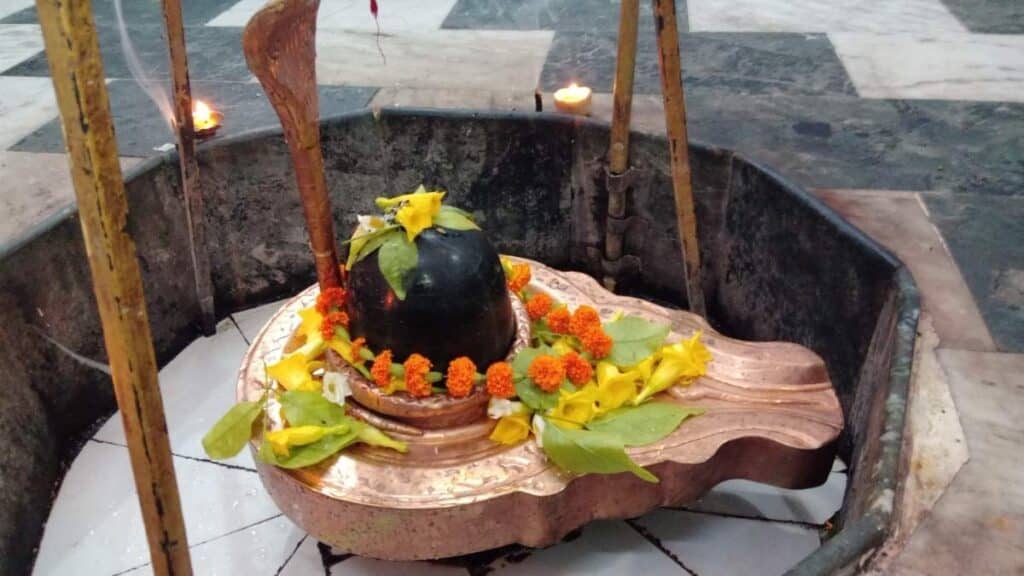
Mahashivratri is a festival that symbolizes inner awakening, spiritual discipline, and the overcoming of darkness and ignorance. Unlike celebratory festivals, it emphasizes silence, meditation, and self-reflection.
Spiritually, Mahashivratri represents:
- The cosmic union of Shiva (consciousness) and Shakti (energy)
- The destruction and regeneration cycle of the universe
- Inner purification through fasting and meditation
- The stillness of mind associated with Shiva’s meditative state
Culturally, Mahashivratri brings devotees together in contemplation and devotion, promoting:
- Self-discipline and restraint (through fasting)
- Community worship and collective chanting
- Social harmony beyond caste and status
- Devotion expressed through art, dance, and music
Marking the transition from winter to spring, Mahashivratri also signifies renewal and new beginnings. More than a religious ritual, it is a universal celebration of consciousness, transformation, and the eternal quest for spiritual truth.
Mahashivratri Prayers and Religious Observances
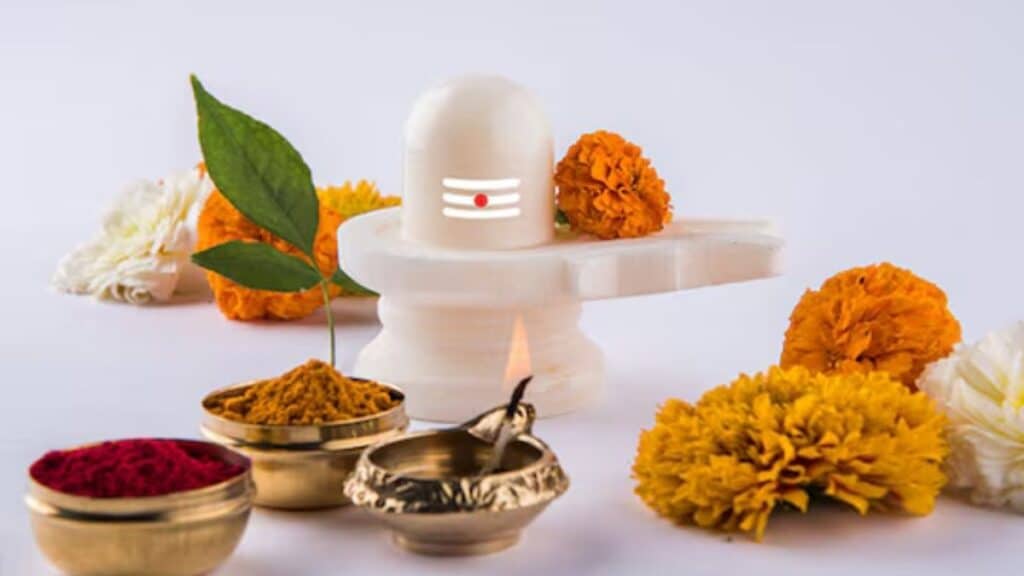
Mahashivratri prayers and rituals are performed to seek spiritual purification, inner awakening, and divine blessings. Religious observances center on fasting, night-long worship, and meditation on Shiva’s cosmic presence.
The Day-Long Fast Devotees begin fasting from sunrise, observing either nirjala vrat (complete abstinence from food and water) or consuming only fruits, milk, and water. Fasting is traditionally associated with Shiva worship and represents self-discipline and detachment from worldly pleasures.
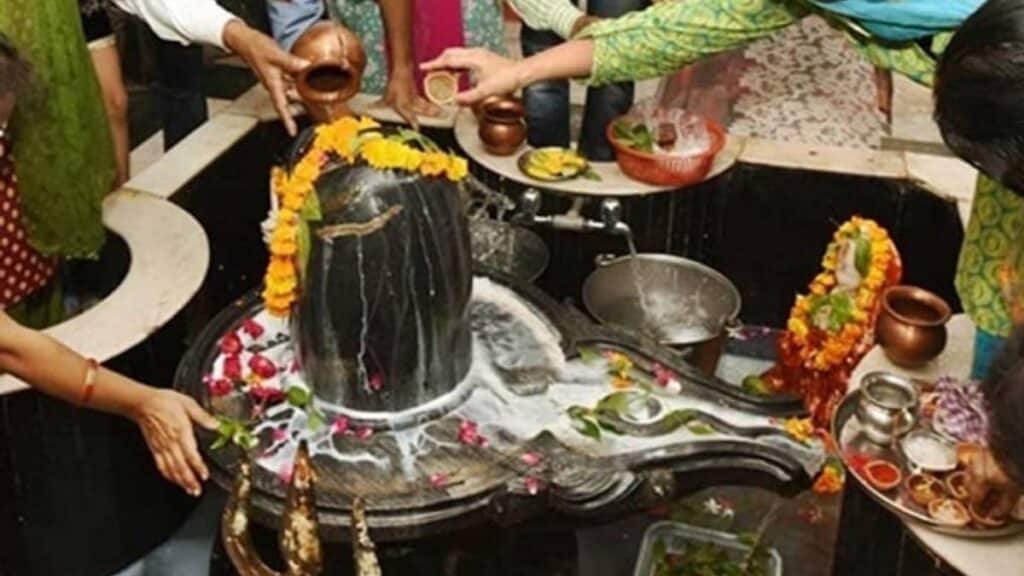
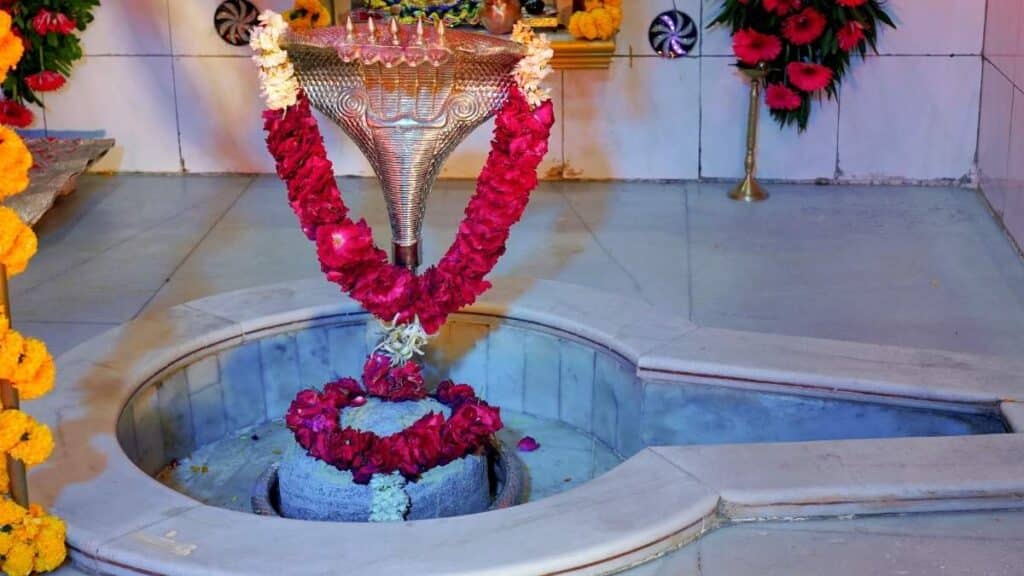
Lingam Puja and Abhishekam The central ritual involves worshipping the Shiva lingam through abhishekam—ritual bathing with milk, honey, yogurt, ghee, water, and Bilva (bael) leaves. This represents purification and devotion.
Four Prahar Pujas The night is divided into four quarters (prahars), with puja performed during each phase, symbolizing the stages of spiritual awakening.
Nishita Kaal Puja The most auspicious time is Nishita Kaal (midnight period), when Shiva’s energy is believed to be at its peak. Special worship is performed during this window.
Chanting and Mantras The sacred Panchakshara mantra “Om Namah Shivaya” is chanted throughout the day. Devotees also recite the Shiva Chalisa, Shiva Tandava Stotram, and Lingashtakam.
Jagaran (All-Night Vigil) Devotees stay awake all night, engaging in meditation, bhajan singing, scriptural reading, and spiritual discourse. This represents consciousness overcoming darkness.
Home vs Temple Observance
At Home:
- Set up a simple Shiva shrine
- Perform abhishekam with available materials
- Maintain fast according to personal capacity
- Light lamps and incense
- Chant mantras and meditate
At Temples:
- Participate in organized four-prahar pujas
- Join collective chanting and bhajans
- Receive prasad and blessings
- Attend spiritual discourses
- Experience community devotion
Whether observed at home or in temples, Mahashivratri rituals emphasize devotion, discipline, and spiritual renewal.ification, and spiritual renewal—making the celebration both joyous and profoundly meaningful.
How Mahashivratri Is Celebrated Across India
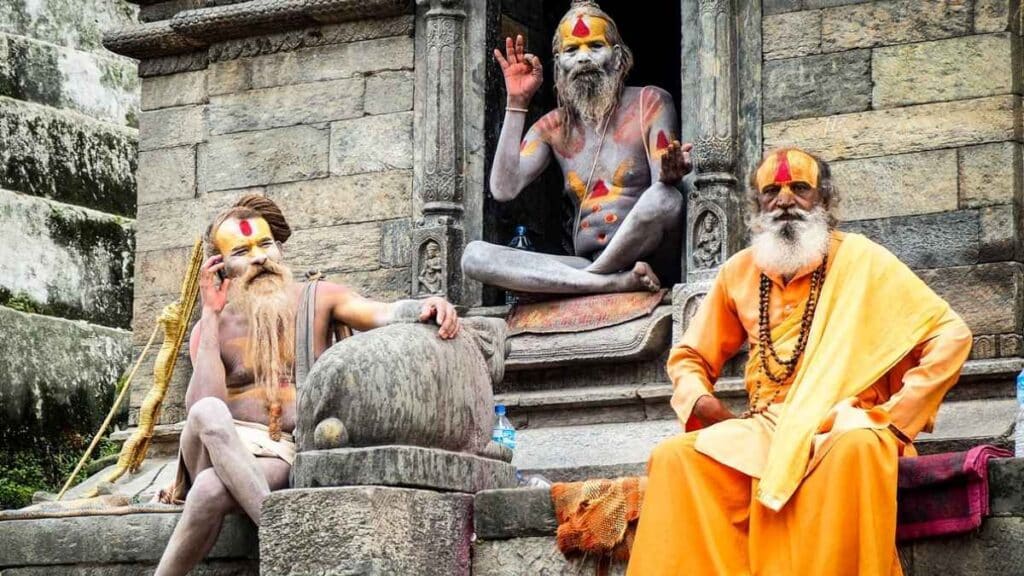
While the spiritual essence of Mahashivratri remains consistent, regional expressions vary beautifully across India.
Tamil Nadu Grand celebrations at Annamalaiyar Temple in Tiruvannamalai feature Girivalam (14-kilometer barefoot circumambulation). A massive lamp is lit on the hilltop at sunset. In Kanyakumari, devotees undertake Sivalaya Ottam, a ritual marathon to 12 Shiva shrines.
Karnataka Ardent worshippers stay awake all night. Popular destinations include Dharmasthala, Murudeshwara, Gokarna, Nanjangud, Male Madeshwara Hills, and Kotilingeshwara, attracting devotees statewide.
Andhra Pradesh and Telangana Special pujas at Pancharamas temples and Brahmotsavaalu at Srisailam (one of 12 Jyotirlingas). Major celebrations at Srikalahasti, Mahanandi, Yaganti, and Vemulawada.
Kashmir Called “Herath,” the festival is celebrated on trayodashi rather than chaturdashi. The unique “vatuk barun” ritual involves worshipping a pitcher filled with water and walnuts representing Vatuka Bhairava.
Himachal Pradesh The Mandi fair is legendary, where over 200 local deities are believed to assemble. Mandi, known as the “Cathedral of Temples,” hosts elaborate celebrations.
Madhya Pradesh Mahakaleshwar Temple in Ujjain sees massive congregations. Tilwara Ghat in Jabalpur and temples in Seoni also host significant observances.
Uttar Pradesh Varanasi’s Kashi Vishwanath Temple experiences enormous crowds throughout the night, with devotees seeking blessings at one of the most sacred Jyotirlingas.
Gujarat Bhavnath near Junagadh hosts a grand mela, with bathing in the sacred Mrugi kund considered spiritually purifying.
West Bengal Devotees, especially unmarried youth seeking life partners, observe the festival devoutly, often visiting Tarakeswar Temple.
Odisha Known as Jagara (vigil), people fast until Mahadipa (the great lamp) rises atop Shiva temples at midnight.
Punjab Shobha Yatras (religious processions) organized by Hindu communities make it a grand festival for Punjabi Hindus.
Despite regional variations, fasting, night vigil, temple worship, and devotional music remain central everywhere. everywhere.
Participation Across Religions in India
Mahashivratri is primarily a Hindu festival, but its spiritual themes attract participation beyond religious boundaries:
- Cultural Appreciation: People of various faiths attend classical music and dance performances held during Mahashivratri
- Universal Spirituality: Shiva as the embodiment of meditation and yoga attracts spiritual seekers across traditions
- Shared Reverence: In pluralistic communities, neighbors often join cultural aspects of celebrations
- Inclusive Values: The festival’s emphasis on self-discipline, meditation, and overcoming ignorance resonates with universal spiritual values
While religious rituals remain Hindu-centric, the cultural and artistic expressions of Mahashivratri welcome broader participation.
How Mahashivratri Is Celebrated Outside India
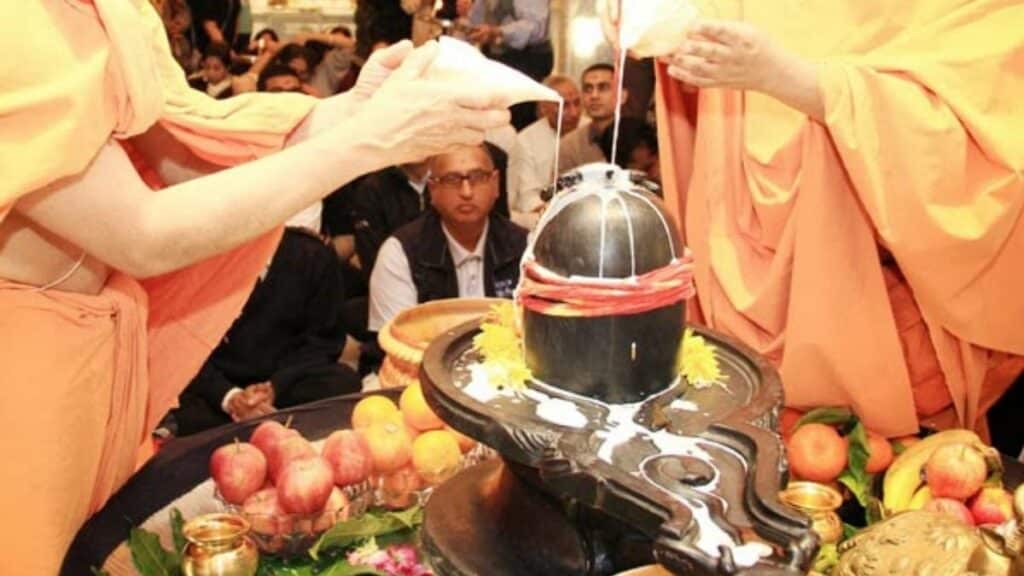
Indian diaspora communities worldwide celebrate Mahashivratri through:
Community Temple Events
- All-night meditation sessions
- Abhishekam ceremonies
- Spiritual discourses and bhajan singing
- Organized puja programs
Cultural Programs
- Classical music and dance performances
- Educational sessions on Shiva philosophy
- Youth engagement activities
- Community meals and prasad distribution
Weekend Adaptations
- Extended Saturday evening programs for working devotees
- Sunday morning follow-up celebrations
- Online live-streaming from major Indian temples
Isha Foundation and Art of Living Large-scale spiritual programs in multiple countries featuring guided meditation, chanting, and cultural celebrations.
These celebrations help diaspora communities maintain spiritual connections while introducing non-Indians to Hindu traditions.cing non-Indians to Indian traditions.
Find Mahashivratri Events Near You
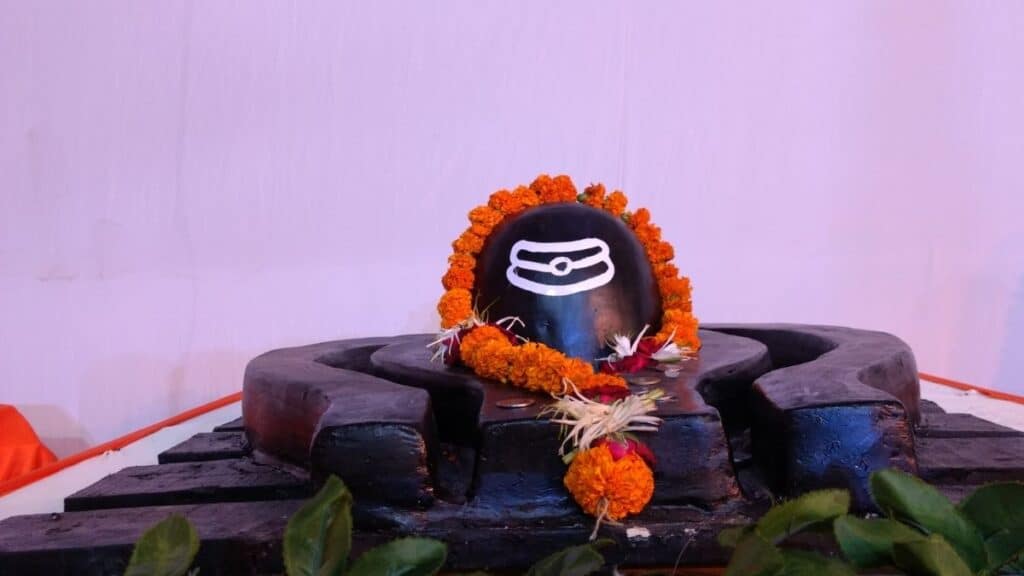
Looking to experience Mahashivratri celebrations in your city or nearby?
Explore curated Mahashivratri events, temple programs, and spiritual gatherings happening across different locations.
View upcoming Mahashivratri events here: https://indiancommunity.events/?s=mahashivratri
Mahashivratri Gifting Traditions
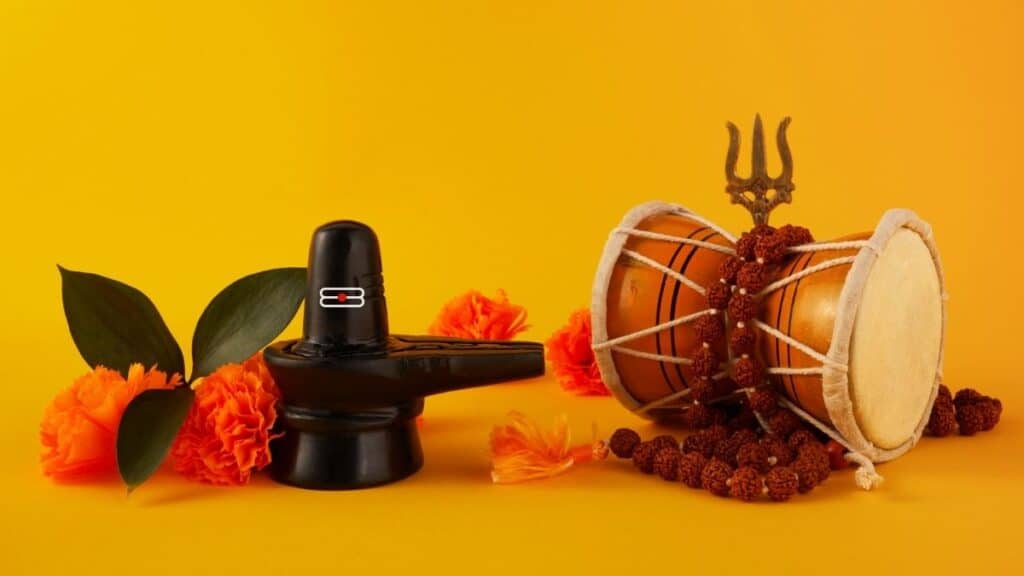
Mahashivratri gifting emphasizes spiritual growth rather than material indulgence, reflecting the festival’s contemplative nature.
Traditional Gifts:
- Rudraksha malas (sacred beads)
- Shiva idols and pictures
- Bilva plants
- Copper kalash (water pots for puja)
- Sacred texts (Shiva Purana, Shiva Chalisa)
- Dhoop and incense
Modern and Diaspora Gifting:
- Silver or brass diyas (lamps)
- Meditation cushions and accessories
- Spiritual books on Shaivism
- Charitable donations in someone’s name
- Yoga accessories (as Shiva is Adi Yogi)
- Digital gifts: meditation app subscriptions, e-books
Gifts focus on supporting meditation, worship, and spiritual discipline, making Mahashivratri gifting meaningful and purposeful.
Traditional Mahashivratri Foods
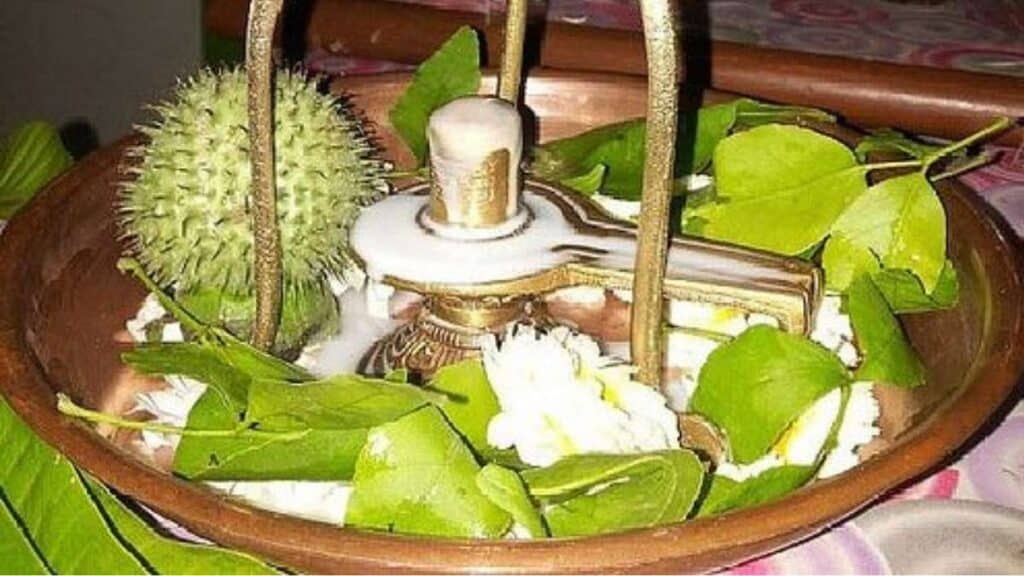
Food during Mahashivratri emphasizes simplicity, purity, and sattvic (spiritually uplifting) qualities.
Fasting Foods (Vrat Items):
- Fruits: Bananas, apples, pomegranates, coconut, dry fruits
- Dairy: Milk, yogurt, paneer, kheer (rice pudding)
- Vrat Preparations: Sabudana khichdi, kuttu ka dosa, singhare ka halwa, makhana kheer, aloo sabzi with rock salt
Regional Specialties:
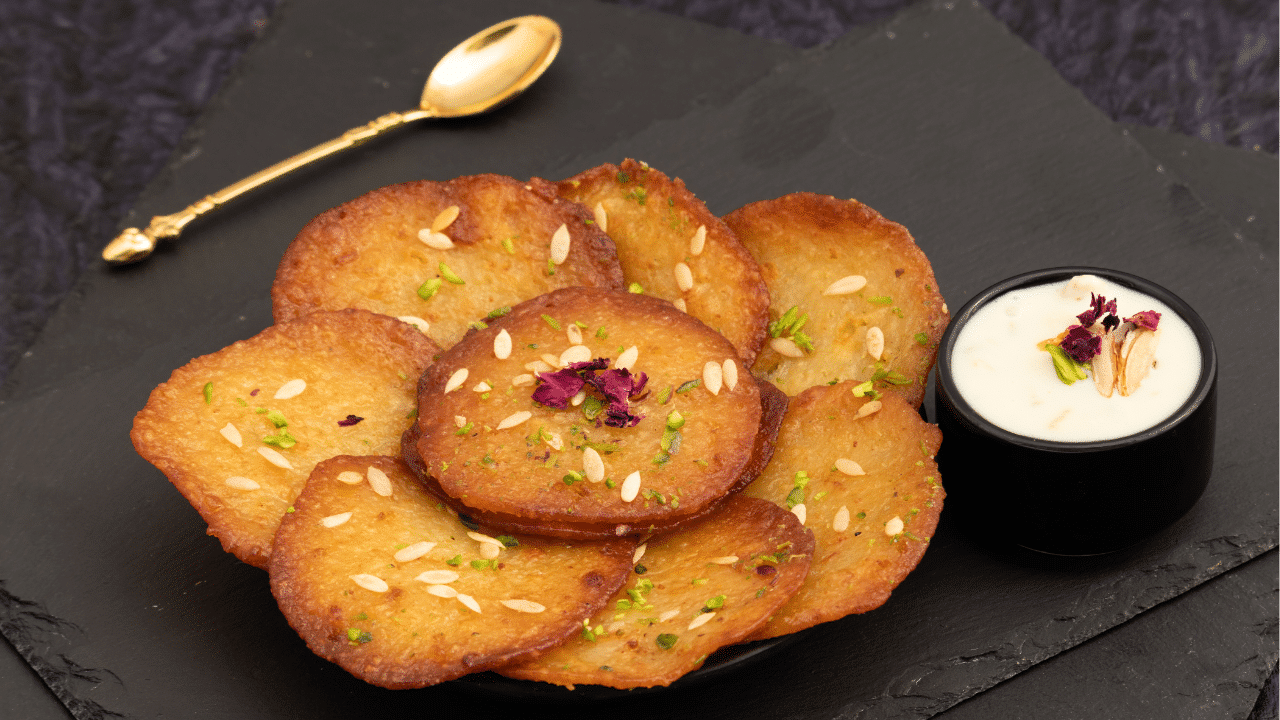
North India:
South India:
- Panakam (jaggery and pepper drink)
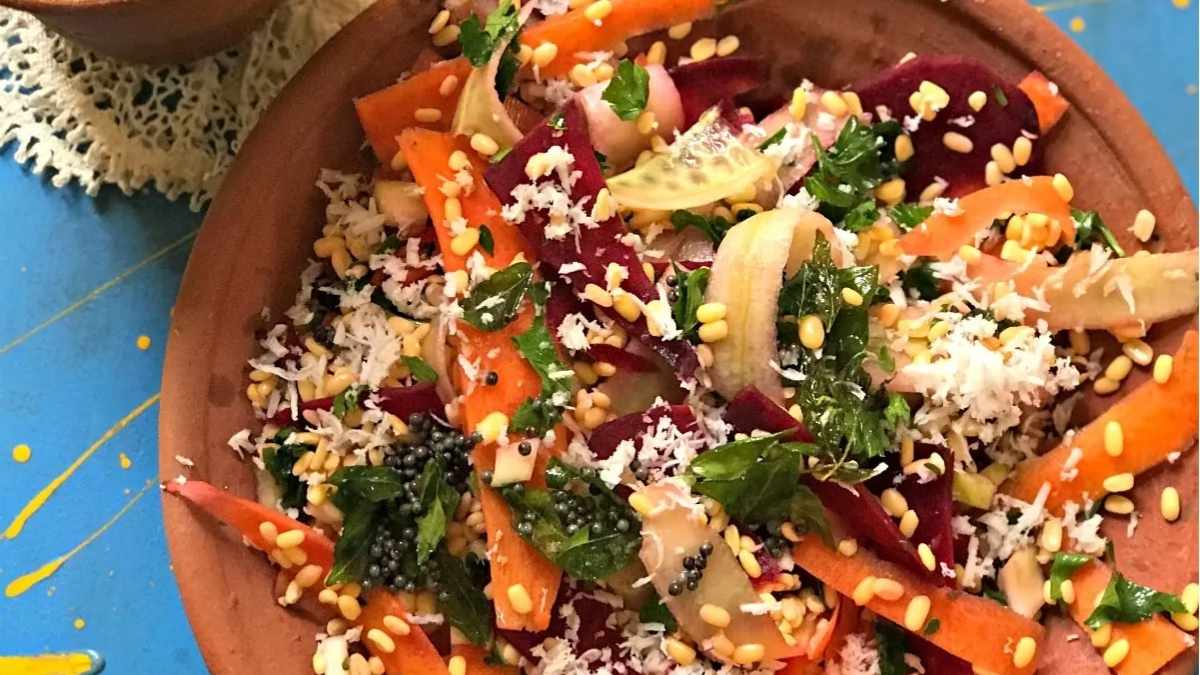
- Kosambari (lentil salad)
- Coconut-based preparations
Kashmir:
- Soaked walnuts (distributed as prasad)
Maharashtra:
Breaking the Fast: Devotees break their fast between sunrise and before Chaturdashi Tithi ends, typically with light fruits, milk, or temple prasad.




Mahashivratri: Music, Art, and Cultural Expression
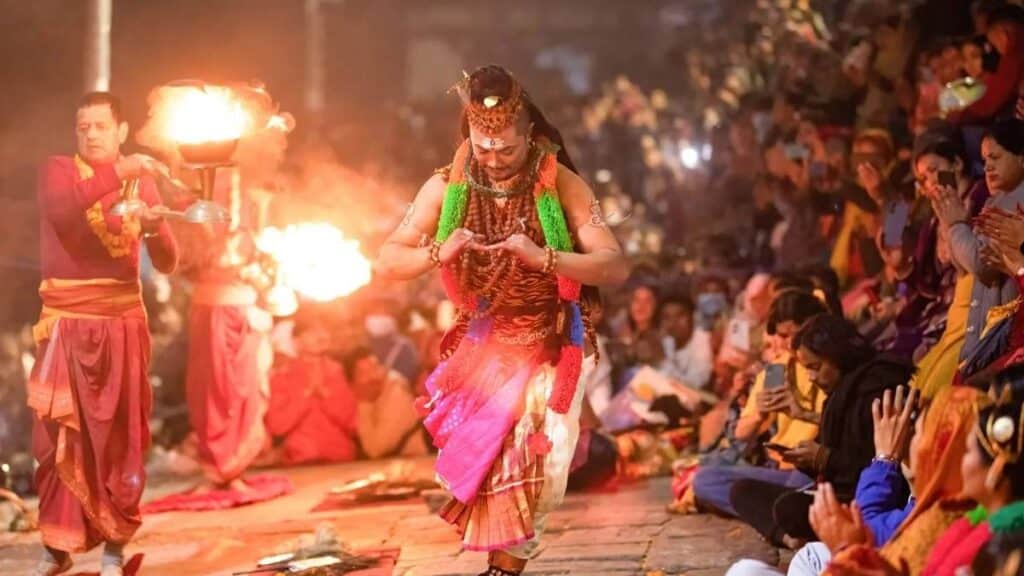
Music, art, and devotional expression form the soul of Mahashivratri celebrations.
Traditional Music:
- Shiva bhajans and devotional songs
- Continuous “Om Namah Shivaya” chanting
- Shiva Tandava Stotram recitations
- Lingashtakam
- Regional folk songs
Classical Arts:
- Bharatanatyam and Kathak: Temple dance traditions
- Natyanjali: “Worship through dance” at temples like Chidambaram
- Carnatic and Hindustani classical: Shiva-themed compositions
Visual Arts:
- Nataraja (cosmic dancer) sculptures
- Lingam representations
- Shiva in meditation imagery
- Temple architecture with Shiva iconography
Popular Culture:
- Devotional albums and streaming content
- YouTube meditation and mantra videos
- Social media sharing (#Mahashivratri)
- Modern fusion devotional music
The historic convergence of artists at temples like Konark, Khajuraho, and Chidambaram during Mahashivratri has made it a celebration of cultural and spiritual artistry.
Mahashivratri in the Modern World
In recent years, Mahashivratri has evolved alongside changing lifestyles while maintaining its spiritual core.
Contemporary Adaptations:
Digital Spirituality:
- Live-streamed temple pujas from major shrines
- Virtual meditation sessions
- Online darshan for those unable to travel
- Social media spiritual content
Sustainability Focus:
- Eco-friendly puja materials
- Organic offerings
- Water conservation during abhishekam
- Reducing waste from rituals
Wellness Integration:
- Stress management through spiritual practices
- Yoga and meditation workshops
- Holistic health programs
- Mindfulness retreats
Mahashivratri’s Modern Relevance and Cultural Continuity
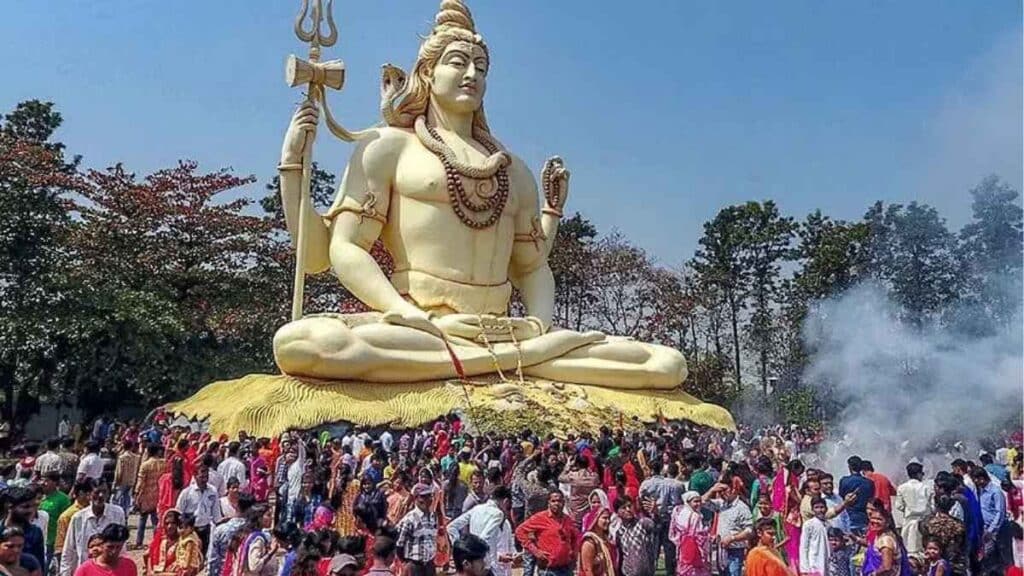
In today’s fast-paced world, Mahashivratri’s emphasis on silence, introspection, and spiritual discipline offers a powerful counterbalance to external noise and material pursuits. The festival’s core message—overcoming darkness through awareness—resonates universally, making it relevant across cultures and belief systems.
For the Indian diaspora, Mahashivratri provides cultural continuity, connecting generations to their spiritual heritage while adapting to new contexts. The festival helps pass down traditions, values, and practices to younger generations, ensuring cultural preservation.
Beyond religious observance, Mahashivratri carries a timeless message about consciousness, transformation, and the human quest for meaning. The night vigil symbolizes staying aware while the world sleeps—a metaphor for spiritual awakening that transcends religious boundaries.
Whether observed through traditional all-night temple vigils, modern meditation sessions, or simple personal reflection, Mahashivratri continues to inspire millions worldwide. It reminds us that true transformation comes from within, and that the journey toward light begins by acknowledging and overcoming our own darkness.
Om Namah Shivaya
Leave a Reply