


Maha Shivratri fasting calls for delicious vrat-friendly recipes that satisfy hunger while adhering to fasting rules. Sabudana vada, a crispy golden snack made from sago pearls, potatoes, and peanuts, has become the most beloved fasting food across Indian households during this auspicious occasion.
Quick Summary
Sabudana vada is a gluten-free, crispy snack perfect for Maha Shivratri vrat. Made by mixing soaked sago pearls with mashed potatoes, roasted peanuts, and rock salt, then deep-fried until golden brown, these vadas offer the perfect combination of taste and nutrition during fasting.
Sabudana Vada Recipe: Complete Ingredient Table
| Ingredient Category | Items & Quantity |
|---|---|
| Main Ingredient | Sabudana (Sago Pearls) – 1 cup |
| Binding Agent | Boiled & Mashed Potatoes – 1-2 medium |
| Crunch Element | Roasted Peanuts – 1/2 cup (coarsely crushed) |
| Seasoning | Sendha Namak (Rock Salt) – to taste |
| Spices | Green Chilies – 1-2 (finely chopped) |
| Ginger – 1 inch (grated or finely chopped) | |
| Cumin Seeds – 1/2 tsp | |
| Fresh Herbs | Coriander Leaves – 2 tbsp (chopped) |
| Acidity | Lemon Juice – 1 tsp |
| Cooking Medium | Oil or Ghee – for frying |
| Soaking Water | Water – 1/2 to 3/4 cup (for soaking sabudana) |
| Prep Time | 4-6 hours (soaking time) |
| Cooking Time | 15-20 minutes |
| Servings | 12-15 vadas |
| Difficulty Level | Medium |
| Fasting Type | Vrat-friendly, Gluten-free |
What is Sabudana Vada?
Sabudana vada, also known as sago vada or sabudana tikki, represents one of the most cherished fasting recipes in Indian cuisine. These golden-brown, crispy fritters combine the unique texture of soaked tapioca pearls with the comforting flavor of mashed potatoes and the nutty crunch of roasted peanuts.
During Maha Shivratri and other Hindu fasting days like Navratri, Ekadashi, and various vratas, devotees abstain from regular grains and certain ingredients. Sabudana becomes a staple during these periods because it’s considered sattvic (pure) and provides sustained energy throughout the fasting day. The starch content in sago pearls offers quick energy, while potatoes and peanuts add necessary protein and fat to keep hunger at bay.
The tradition of making sabudana vada during fasting days has been passed down through generations, with each family adding their own special touches. Some prefer extra spice, others add curry leaves for aroma, and some even incorporate grated coconut for additional flavor. However, the basic principle remains the same: creating a nutritious, satisfying snack that adheres to fasting guidelines.
Sabudana Vada Recipe: Complete Ingredient List
Primary Ingredients
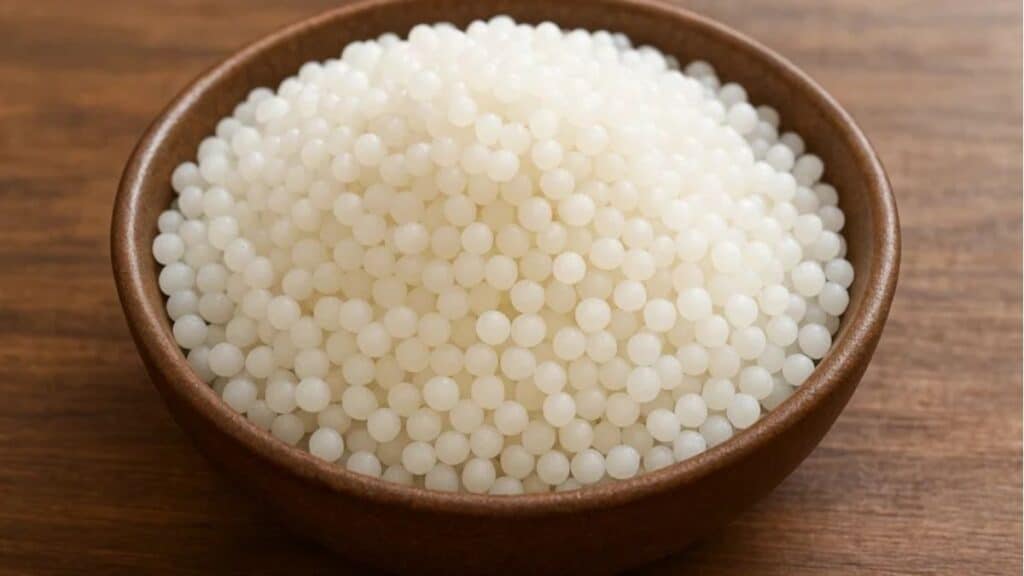
Sabudana (Sago Pearls) – 1 cup: The star ingredient of this recipe, sabudana are small, round, white pearls made from tapioca starch. When properly soaked, they transform from hard pellets into soft, translucent spheres that bind together beautifully when mixed with other ingredients. Choose good quality sabudana that’s uniform in size for even cooking.
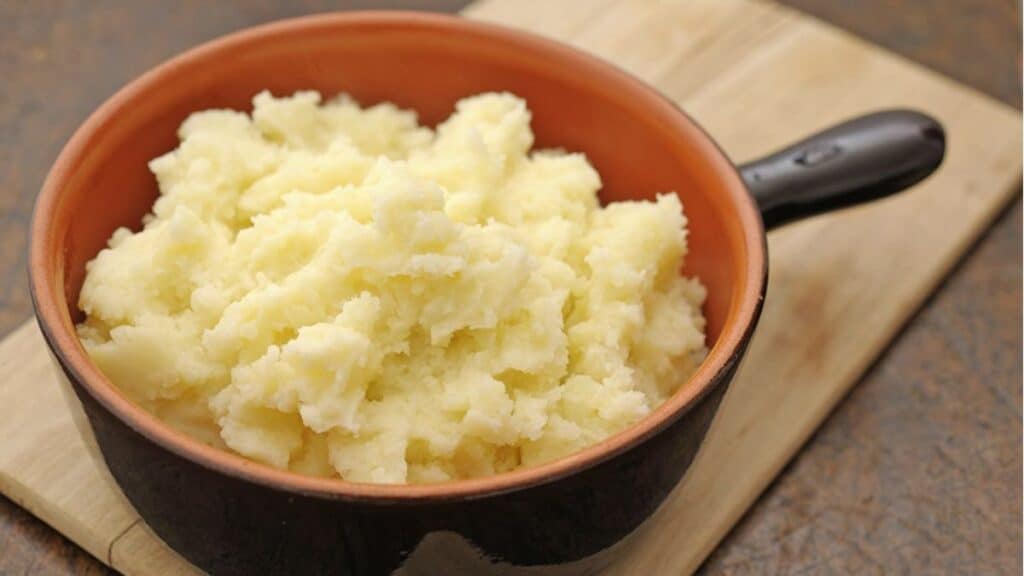
Boiled and Mashed Potatoes – 1 to 2 medium: Potatoes serve multiple purposes in this recipe. They act as a binding agent that holds the vadas together, add substance and volume, and contribute to the soft interior texture that contrasts with the crispy exterior. Use starchy potatoes rather than waxy varieties for best results.

Roasted Peanuts – 1/2 cup (coarsely crushed): Peanuts provide essential crunch, protein, and healthy fats that make sabudana vada more nutritious and satisfying during fasting. Roasting the peanuts before crushing them intensifies their flavor and ensures they stay crunchy even after frying.
Seasonings and Spices
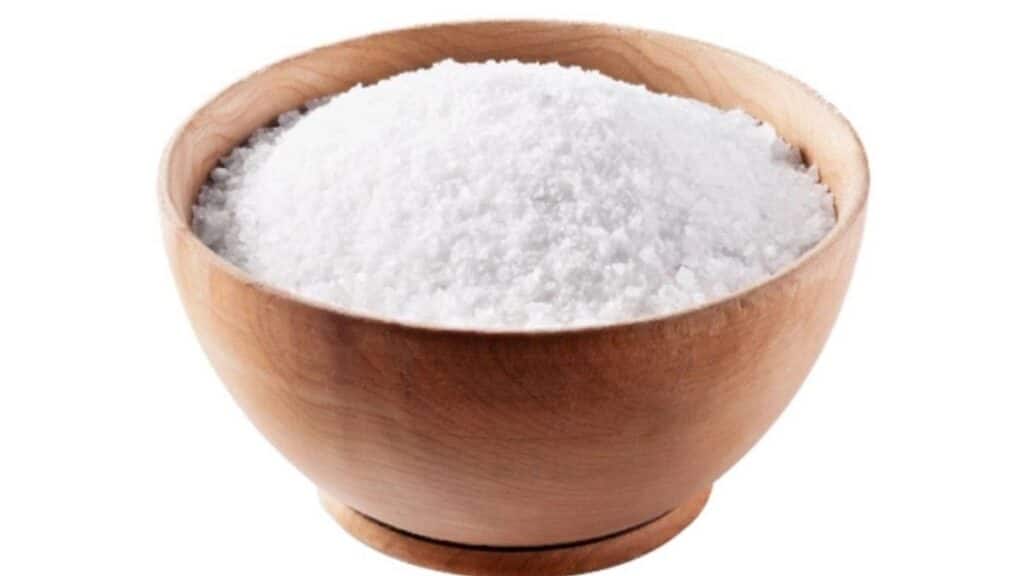
Sendha Namak (Rock Salt) – to taste: Regular table salt is not permitted during Hindu fasting, making rock salt essential for vrat recipes. Sendha namak has a slightly different flavor profile than regular salt and is believed to have cooling properties.

Green Chilies – 1 to 2 (finely chopped): Fresh green chilies add heat and flavor to the otherwise mild sabudana mixture. The number of chilies can be adjusted based on your spice tolerance. Finely chopping them ensures even distribution of heat throughout the vadas.
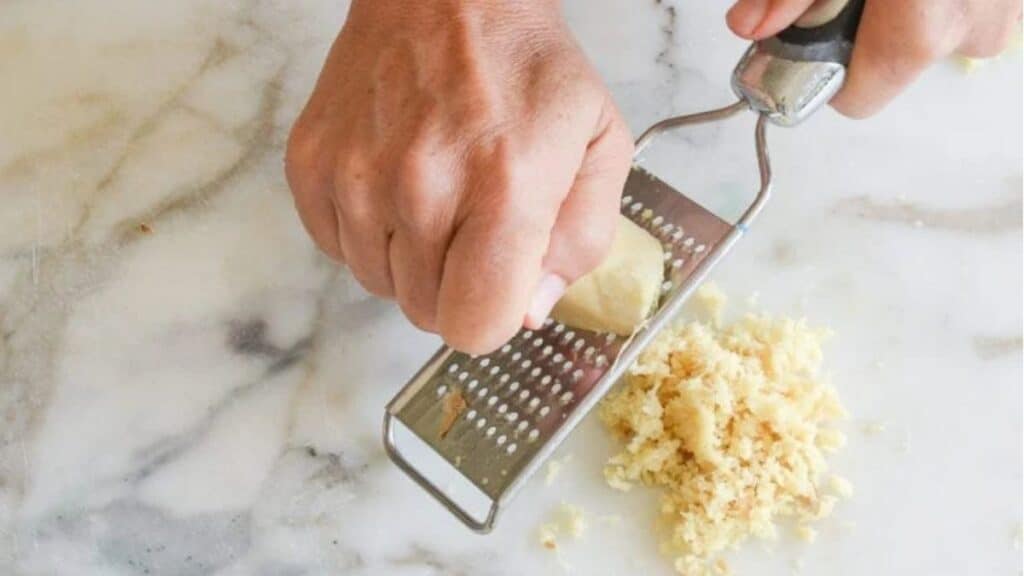
Ginger – 1 inch (grated or finely chopped): Fresh ginger adds warmth, aids digestion, and contributes to the overall flavor complexity. Grating produces a stronger ginger flavor, while finely chopping creates small pieces that add texture.
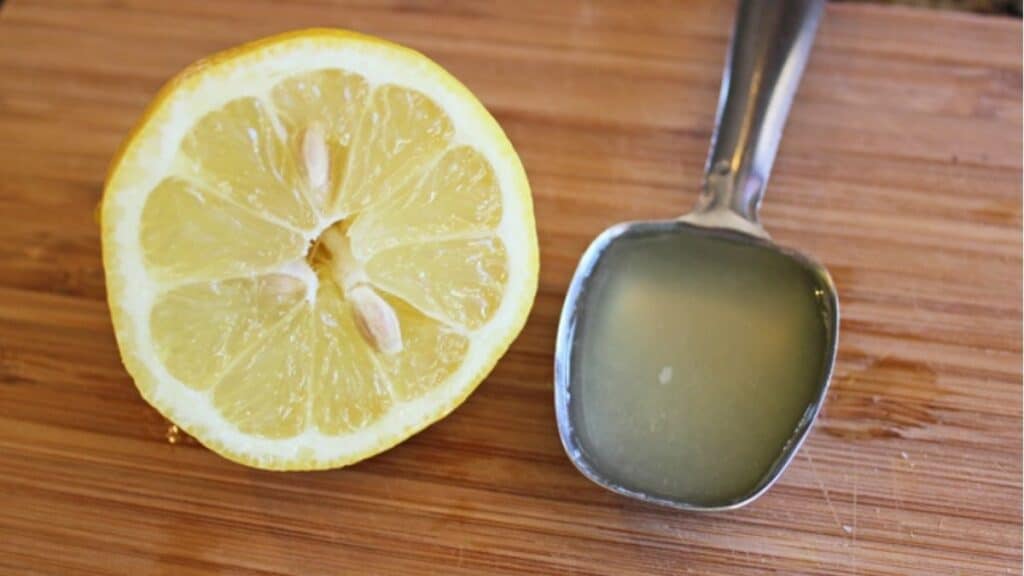
Lemon Juice – 1 tsp: A small amount of lemon juice brightens the flavors and helps prevent the sabudana from becoming too sticky during mixing.
CHECK MORE ON:Spiced Pan-Fried Paneer Recipe: Crispy Golden Cubes in 15 Minutes
Step-by-Step Instructions for Perfect Sabudana Vada
Step 1: Preparing the Sabudana
The success of your sabudana vada depends heavily on properly preparing the sago pearls. Start by washing 1 cup of sabudana thoroughly under running water. This removes excess starch that can make your vadas gummy and sticky. Wash until the water runs relatively clear, typically requiring 2-3 rinses.
After washing, drain the sabudana completely and transfer it to a bowl. Add just enough water to barely cover the pearls—approximately 1/2 to 3/4 cup depending on the quality of your sabudana. The water should come just to the level of the pearls, not above them. This is crucial because too much water will make them mushy and difficult to work with.
Step 2: Preparing Other Ingredients
While the sabudana is soaking, prepare your other ingredients. Boil 1-2 medium potatoes until they’re completely tender when pierced with a fork. Overcooking is better than undercooking here—you want potatoes that mash smoothly without lumps. Once boiled, let them cool slightly, then peel and mash them thoroughly. Lumpy potatoes will create an uneven texture in your vadas.
Roast 1/2 cup of peanuts in a dry pan over medium heat, stirring constantly until they’re fragrant and lightly golden. Be careful not to burn them. Once roasted, let them cool completely, then crush them coarsely. You can do this in a mortar and pestle, food processor (pulse briefly), or by placing them in a ziplock bag and crushing with a rolling pin. The goal is coarse pieces, not powder.
Step 3: Mixing the Vada Mixture
In a large mixing bowl, combine the soaked and drained sabudana with the mashed potatoes. Mix them together gently but thoroughly. The potatoes should coat the sabudana pearls evenly, creating a sticky mixture that holds together.
Add the crushed peanuts, chopped green chilies, grated ginger, coriander leaves, cumin seeds, lemon juice, and rock salt to taste. Mix everything together thoroughly, using your hands for best results. The mixture should come together into a cohesive mass that’s slightly sticky but not wet. If it feels too dry and won’t hold together, add 1-2 tablespoons of additional mashed potato. If it’s too wet, let it sit for 10-15 minutes to allow the sabudana to absorb more moisture.
Step 4: Shaping the Vadas
Wet your hands slightly with water to prevent sticking. Take a small portion of the mixture, roughly the size of a golf ball or slightly smaller. Roll it into a smooth ball between your palms, then gently flatten it into a patty about 1/2 inch thick and 2-3 inches in diameter.
The vadas should be thick enough to have a soft interior after frying but not so thick that the center remains raw. Uniform thickness ensures even cooking—thicker edges or centers will cook at different rates, resulting in burnt exteriors or undercooked interiors.
Step 5: Frying the Vadas
Heat oil or ghee in a deep, heavy-bottomed pan or kadhai. You’ll need enough oil for deep frying—the vadas should be able to float freely without touching the bottom of the pan. Heat the oil over medium-high heat until it reaches approximately 180°C (350°F). To test if the oil is ready, drop a small piece of the mixture into it. If it rises to the surface immediately with bubbles around it, the oil is ready.
Fry the vadas without disturbing them for 2-3 minutes. Once the bottom side becomes golden brown and crispy, gently flip them using a slotted spoon. Fry the other side for another 2-3 minutes until golden brown. The total frying time should be 4-6 minutes per batch.
The Secret to Non-Sticky Sabudana
The most common complaint when making sabudana vada is ending up with sticky, gummy sabudana that won’t hold shape or creates vadas that fall apart during frying. Understanding the science behind proper sabudana preparation eliminates this problem entirely.
Quality matters significantly. Old sabudana or lower quality varieties often don’t rehydrate properly, leaving hard centers or creating excessive stickiness. Purchase sabudana from reliable sources and check the manufacturing date when possible. Fresh sabudana that’s been properly stored will give you much better results.
Soaking time varies based on sabudana quality and room temperature. In warmer weather, 4 hours might be sufficient. In cooler temperatures, 6 hours or even overnight soaking might be necessary. The test is simple: press a soaked pearl between your fingers. It should mash easily without any hard center, yet the pearl should still hold its shape.
After soaking, if you see any standing water in the bowl, drain it immediately. Excess moisture is your enemy when making vadas. Some recipes recommend spreading the soaked sabudana on a clean kitchen towel for 15-20 minutes to remove surface moisture. This extra step can make the difference between perfect vadas and disappointing ones.
The washing step before soaking is equally important. Thoroughly rinsing the sabudana removes excess surface starch that contributes to stickiness. Wash until the water runs clearer, then drain completely before adding the measured soaking water.
Frying Techniques: Deep Fry vs Shallow Fry
Deep Frying Method
Deep frying is the traditional method for making sabudana vada and produces the crispiest, most evenly cooked results. This technique requires more oil but creates that characteristic golden-brown crust with a soft interior that makes sabudana vada so beloved.
For deep frying, heat 2-3 cups of oil in a deep, heavy-bottomed pan or kadhai. The oil should be at least 2-3 inches deep so the vadas can float freely. Heat to approximately 180°C (350°F)—if you don’t have a thermometer, test with a small piece of the mixture. It should rise immediately with vigorous bubbling.
Fry only 3-4 vadas at a time to maintain oil temperature and ensure even cooking. Overcrowding lowers the oil temperature significantly, resulting in oil-soaked vadas. Allow each batch to cook undisturbed for 2-3 minutes before flipping to ensure the crust sets properly.
Shallow Frying Method
Shallow frying uses less oil and can be a good compromise between deep frying and healthier cooking methods. This technique requires more attention and careful flipping but produces reasonably crispy results with significantly less oil.
For shallow frying, heat 3-4 tablespoons of oil in a flat, heavy-bottomed pan or tawa. The oil should be about 1/4 inch deep. Once hot, carefully place the shaped vadas in the pan, ensuring they don’t touch each other.
Shallow frying requires flatter, slightly thinner vadas for best results. Thick vadas may not cook through completely using this method. The exterior won’t be quite as uniformly crispy as deep-fried vadas, but they’ll still be delicious with significantly less oil absorption.
Healthier Alternatives to Traditional Frying
Appe Pan Method
An appe pan (also called paniyaram pan or aebleskiver pan) offers an excellent alternative for making healthier sabudana vada with minimal oil. This traditional Indian cooking vessel has multiple small, rounded cavities that create perfectly shaped vadas with just a brushing of oil.
Carefully flip each vada using a skewer or small spoon, brush the top with a little more oil if needed, cover again, and cook for another 2-3 minutes. The result is vadas that are crispy on the outside and soft inside, using a fraction of the oil required for deep frying.
The appe pan method works best with slightly wetter mixture than traditional frying, as the covered cooking method helps steam the interior while crisping the exterior. Experiment with your mixture consistency for best results.
Air Fryer Method
Air fryers have revolutionized healthy cooking, and sabudana vada adapts beautifully to this method. Preheat your air fryer to 180°C (350°F). Brush or spray the shaped vadas lightly with oil on all sides—this small amount of oil is crucial for achieving golden color and crispy texture.
Arrange the vadas in a single layer in the air fryer basket, ensuring they don’t touch. Cook for 8-10 minutes, then carefully flip each vada and cook for another 8-10 minutes until golden brown and crispy. The total cooking time may vary depending on your air fryer model and the size of your vadas.
Air-fried sabudana vada won’t be quite as crispy as deep-fried versions, but they offer a guilt-free option that’s still delicious. The key is not skipping the oil brushing step—without any oil, the vadas will be dry rather than crispy.
Serving Suggestions for Maha Shivratri
Sabudana vada tastes best when served immediately after frying, while still hot and crispy. The contrast between the crunchy exterior and soft interior is most pronounced when fresh.
Green Chutney: The classic accompaniment to sabudana vada is fresh green chutney made from coriander, mint, green chilies, lemon juice, and rock salt. This vrat-friendly version skips ingredients like garlic and regular salt. The bright, tangy, spicy chutney cuts through the richness of fried vadas perfectly.
Yogurt (Dahi): Plain, unsweetened yogurt provides cooling contrast to the warm, crispy vadas. For fasting, ensure you’re using homemade or purchased yogurt made without additives. Some people prefer whisking the yogurt with a little rock salt and cumin powder for extra flavor.
Sweet Chutney: A tamarind-date chutney made with rock salt instead of regular salt offers sweet-tangy flavor that pairs beautifully with savory vadas. This combination is popular in many regions.
Lemon Wedges: Simple lemon or lime wedges allow diners to add fresh citrus according to their preference. The acidic brightness enhances the vadas’ flavor.
Complete Vrat Thali: Serve sabudana vada as part of a complete fasting meal alongside sabudana khichdi, fruit salad, kuttu ki puri, aloo jeera, and lassi. This combination provides variety and complete nutrition during fasting.
Beverage Pairings: Traditional beverages like thandai (made without regular sugar), lassi, buttermilk seasoned with rock salt and cumin, or simple lemon water complement sabudana vada beautifully. For Maha Shivratri specifically, thandai is especially auspicious.
Nutritional Benefits of Sabudana Vada
Quick Energy from Carbohydrates: Sabudana is almost pure carbohydrate, providing quick energy that’s especially important during fasting when you’re eating limited meals. The starch in sago is easily digestible and provides immediate fuel for your body and brain.
Protein from Peanuts: Roasted peanuts contribute significant protein to sabudana vada, helping you feel full longer and providing essential amino acids. Protein is particularly important during fasting when overall food intake is reduced.
Potassium from Potatoes: Potatoes are excellent sources of potassium, an electrolyte that’s crucial for proper muscle and nerve function. During fasting, when you might be consuming less food and water than usual, potassium helps prevent weakness and muscle cramps.
Healthy Fats: Both peanuts and the cooking oil provide necessary fats that help your body absorb fat-soluble vitamins and provide sustained energy. Fats also contribute to satiety, helping you feel satisfied between fasting meals.
