


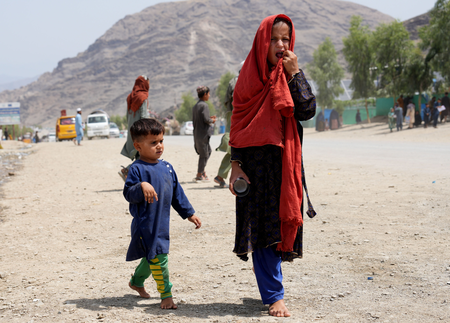
As per a report by the United Nations Children’s Fund (UNICEF), around 3.7 million children under five in Afghanistan are at a heightened risk of undernutrition in 2026 due to food and nutrition insecurity. The report highlighted a worsening trend in acute malnutrition across 26 out of 34 provinces compared to the previous year. Particularly alarming is the fact that a significant percentage of severe and moderate malnutrition cases affect children under two years old, emphasizing their vulnerability during crucial developmental stages.
UNICEF’s Representative in Afghanistan, Tajudeen Oyewale, emphasized the importance of early intervention to prevent severe malnutrition, stating that reducing meals or compromising on nutritious foods signals a child’s potential descent into dangerous wasting. The report also attributed the escalating malnutrition crisis in Afghanistan to factors such as poor child diets, increased food insecurity, disease outbreaks, low immunization coverage, inadequate water and sanitation services, as well as funding and supply shortages. The agency stressed the urgent need for comprehensive action spanning nutrition, health, water, sanitation, hygiene, education, and social protection services to address these challenges effectively.
The United Nations Office for the Coordination of Humanitarian Affairs (OCHA) recently projected that 16 million Afghans will require access to clean water and sanitation services in 2026. This water scarcity issue not only poses health risks but also disrupts daily life, compelling individuals to adopt coping strategies amidst worsening conditions. The lack of safe drinking water and sanitation facilities in Afghanistan has emerged as a critical humanitarian concern, exacerbating the hardships faced by millions due to recurrent droughts, inadequate water infrastructure, and poverty. Humanitarian agencies have warned that climate-related shocks are further straining vulnerable communities in the country.
