


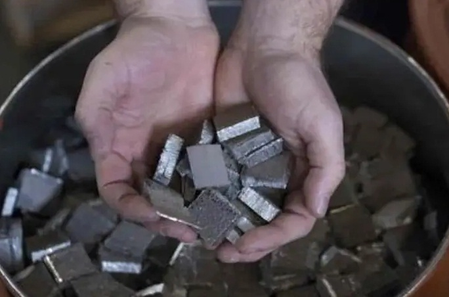
African countries, holding a significant share of global critical minerals like copper, lithium, nickel, and graphite, are seeking collaborations emphasizing technology transfer, local value addition, and environmental responsibility. These partnerships aim beyond mere extraction, focusing on long-term alignment and mutual benefits. India’s approach stands out by prioritizing collaboration over pure investment, aligning with local priorities for sustainable cooperation.
Zambia, known for its copper reserves, faces challenges due to a lack of reliable geological data, hindering investor confidence and negotiation power. India’s involvement in Zambia includes supporting geological mapping and exploration, enhancing data quality for better policymaking and value realization. This strategic collaboration sets the stage for future partnerships, emphasizing sustainable development and mutual growth.
In Zimbabwe, rich in hard rock lithium reserves crucial for battery technologies, India’s interest lies in diversifying its lithium supply sources. However, Zimbabwe’s regulatory complexities and emphasis on local processing pose challenges for new entrants. Indian firms can differentiate themselves by integrating sustainability practices from the start, including environmental assessments, resource efficiency, community involvement, and fair compensation mechanisms.
Tanzania, with significant graphite and nickel reserves essential for batteries, faces hurdles in processing and refining these minerals domestically due to limited capacity. Recognizing the importance of a skilled workforce for value addition, Tanzania focuses on education and training as part of its industrial strategy. India’s longstanding engagement in Tanzania, through training programs and technical partnerships, supports the development of local professionals, fostering deeper cooperation and knowledge exchange.
