


When the Ahmedabad Cyber Crime Branch dismantled one of India’s largest alleged “digital arrest” fraud networks in 2024, arresting 17 accused, including four Taiwanese nationals, it highlighted the rise of transnational cybercrime. This investigation not only led to arrests but also served as the basis for a book on modern cybercrime investigations. The case gained national attention and was even mentioned by Prime Minister Narendra Modi in an episode of ‘Mann Ki Baat’.
The book titled ‘Cyber Trails: Unmasking Digital Crimes’ was recently unveiled alongside another publication, ‘NDPS Investigation and Procedure (Ready Reckoner)’. These publications were released under the guidance of the Gujarat Director General of Police and Ahmedabad Police Commissioner G.S. Malik, with Deputy Chief Minister Harsh Sanghavi officiating the launch. Together, these books aim to document investigative practices in challenging areas such as cybercrime and narcotics offenses.
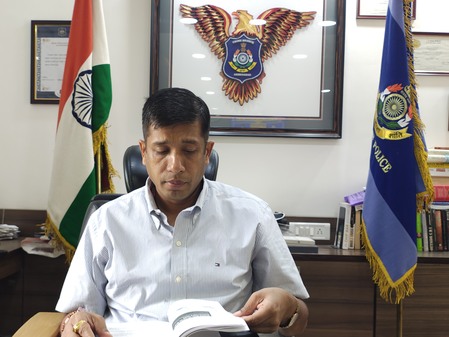
Authored by Ahmedabad Joint Commissioner of Police (Crime) Sharad Singhal, ‘Cyber Trails’ delves into various aspects of cybercrime investigations, including social media monitoring, digital forensics, cryptocurrency investigations, and more. Singhal emphasized that the book stands out for its real-time case studies, offering practical insights from actual investigations rather than theoretical discussions.
The book also sheds light on emerging cyber threats like digital arrest scams and provides guidance on digital hygiene and online safety. Singhal warned about the risks associated with excessive personal information sharing online, emphasizing the need for caution. Additionally, the publication includes chapters on OSINT tools, which are valuable resources for investigators in analyzing digital evidence.
Singhal, along with DCP (Special Operations Group) Rahul Tripathi, co-authored ‘NDPS Investigation and Procedure’, focusing on operational guidance for handling narcotics cases. The book outlines the procedural aspects of NDPS investigations, emphasizing compliance with legal safeguards and documentation requirements. It also features a ready reckoner format with forms, checklists, and procedural guidance for investigators.
The authors invested about a year in developing these publications, ensuring comprehensive coverage of cybercrime and narcotics investigations. Singhal highlighted the importance of making specialized knowledge accessible, particularly in Gujarati, to enhance understanding among a wider audience. The books aim to serve as valuable resources for law enforcement personnel and the public, offering insights into combating evolving crime patterns in the digital age.
