


As Tamil Nadu prepares for the upcoming Assembly elections, the AIADMK-led National Democratic Alliance (NDA) is swiftly finalizing its seat-sharing agreements with the nomination process set to start soon. The nomination filing process is scheduled from March 30 to April 6, prompting intense discussions within the alliance to secure a majority.
Sources reveal that the AIADMK is pushing for a significant portion of the seats to ensure a strong position in the elections. The party aims to secure a governing majority independently while also accommodating its allies strategically in certain constituencies.
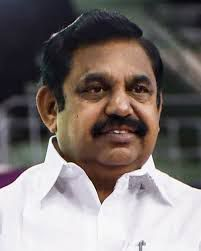
The AIADMK’s electoral strategy focuses on consolidating its core voter base while making room for allies in specific areas. Recent discussions between AIADMK General Secretary Edappadi K. Palaniswami and senior BJP leaders in New Delhi have paved the way for finalizing seat distributions among alliance partners.
The AIADMK is expected to contest around 160 to 170 seats out of the total 234 constituencies, aiming to surpass the halfway mark of 118 seats independently. The seat-sharing arrangement suggests that the BJP may contest approximately 30 constituencies, an increase from its previous participation in the 2021 elections.
The PMK, led by Anbumani Ramadoss, is likely to receive around 17 seats, while the AMMK and the Tamil Maanila Congress (TMC) led by T.T.V. Dhinakaran and G.K. Vasan respectively, are expected to be allocated nine and three seats. Smaller alliance partners might contest on either the AIADMK’s ‘two leaves’ symbol or the BJP’s ‘lotus’ symbol based on the final agreement.
Senior BJP leaders, including Union Home Minister Amit Shah, are actively involved in overseeing the negotiations to ensure a consensus among the allies. The focus has now shifted to Chennai for finalizing the alliance details after discussions with key stakeholders in New Delhi.
The alliance’s strategy for the upcoming elections is influenced by the 2021 Assembly election results, where the AIADMK emerged as the principal opposition. The evolving dynamics within parties like the PMK and the entry of new players like the AMMK are adding complexity to the electoral landscape, making the upcoming polls closely watched.
