


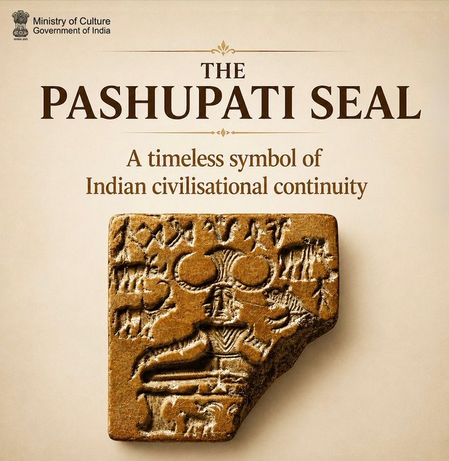
A dispute arose when historian Audrey Truschke criticized the Ministry of Culture’s labeling of a Harappan Pashupati seal as “Shiva-Pashupati,” asserting it represents a Eurasian deity. Hindu seers in Ayodhya condemned Truschke’s remarks, denouncing them as an attack on India’s heritage and culture.
Mahant Sitaram Das Maharaj of Ayodhya’s Saket Bhavan temple expressed strong disapproval of the historian’s statement, emphasizing that any attempt to distort India’s history would not be tolerated. He affirmed that the Harappan seal indeed symbolizes “Shiva-Pashupati” and is integral to India’s Sanatan tradition.
In response to Truschke’s comments, the Hindu seer criticized her lack of understanding of India’s Sanatan tradition, alleging a conspiracy to discredit India’s culture. Despite the controversy, he remained hopeful that the truth about the Harappan-era seal would prevail.
Mahant Deveshacharya Ji Maharaj accused America of attempting to tarnish India’s image and traditions, urging for an end to such negative propaganda. He emphasized the importance of mutual respect between nations and called for an apology from the American historian.
Arya Sant Varun Das Ji Maharaj echoed similar sentiments, labeling the controversy as misleading and attributing it to foreign interference. The Ministry of Culture’s post describing the seal as “Shiva-Pashupati” highlighted its significance in India’s cultural and spiritual heritage, emphasizing the continuity of these traditions from ancient times to the present day.
