


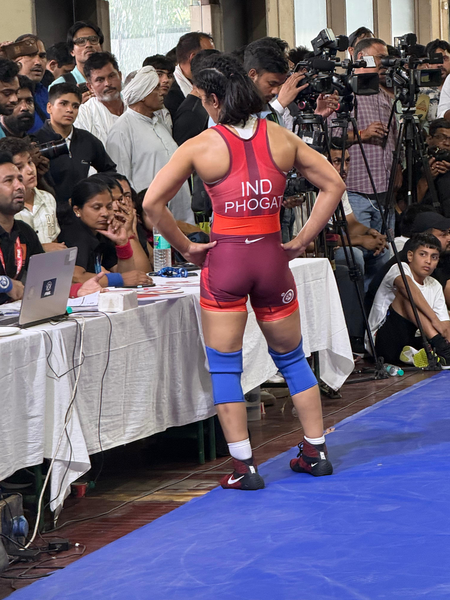
The Asian Games wrestling trials held at Delhi’s IG Stadium aimed to feature India’s top women wrestlers vying for spots on the national team. However, the event revealed significant deficiencies in administration, technology, and officiating, leading many in the wrestling community to call for improvements within the Wrestling Federation of India (WFI).
Athletes and former wrestlers expressed frustration over technical glitches, frequent interruptions, and inconsistent refereeing that disrupted crucial matches. There was a consensus that Indian wrestling should strive for the same professionalism seen in Indian cricket, emphasizing the need for better organization and execution.
During a key trial bout in the 53kg category between Vinesh Phogat and Nishu, technical failures caused repeated disruptions, extending the match beyond its scheduled time. These interruptions not only affected the bout’s rhythm but also raised concerns about the event’s overall preparedness and management.
Criticism extended beyond technology to refereeing decisions, with several bouts experiencing delays and disputes that left participants and coaches seeking explanations during critical moments. Former wrestlers highlighted the lack of trained referees, competent technical support, and reliable equipment as fundamental necessities for major sporting events.
Despite Indian wrestlers’ international success, the prevailing sentiment is that the support systems in place do not match the athletes’ world-class performances. The trials underscored a disconnect between the wrestlers’ readiness and the organizers’ ability to conduct a smooth and efficient selection process.
The focus shifted from determining the Asian Games squad to questioning why a premier wrestling event faced such organizational chaos. The need for enhanced professionalism and operational standards within Indian wrestling became a central point of discussion post the trials.
