


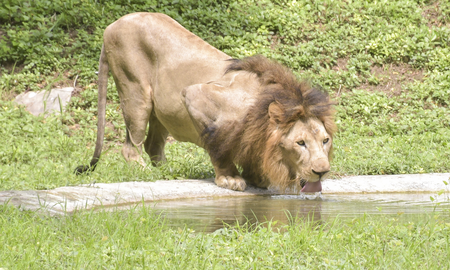
The Asiatic Lion population in India has seen a significant increase from 674 in 2020 to 891 by 2025, with Gujarat implementing measures to address human-wildlife conflicts and disease vulnerability. The State has expanded the lion population into new areas such as forest areas, river corridors, and revenue wastelands. Various steps have been taken to manage conflicts and vulnerabilities, including strengthening veterinary facilities and developing the Barda Wildlife Sanctuary as a second home for lions.
Habitat improvement initiatives have been undertaken in the newer areas where lions now reside, with the establishment of a Hi-Tech Monitoring Unit for real-time tracking at Sasan-Gir in 2019. Gujarat has conducted a comprehensive satellite telemetry study to gather scientific data on lion ecology, spatial distribution, corridor use, and movement patterns. The State has also engaged trackers to raise awareness among the local population about wildlife movement and has implemented measures like prey base augmentation, habitat improvement, and water resource augmentation to reduce animal movement towards human-dominated areas.
Additionally, steps such as the development of a Standard Operating Procedure (SOP) for lion protection around railway tracks, speed restrictions for trains in hotspot areas, and monitoring and patrolling around railway tracks have been put in place. Management of satellite populations in the Greater Gir Landscape and strengthening protection measures have been emphasized to ensure the well-being of the lion population.
