


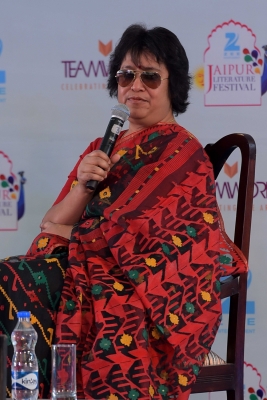
Author Taslima Nasrin’s upcoming visit to Kolkata for an anti-fundamentalism literary event on August 1 has stirred political discussions. The writer, known for being a target of extremists, was forced into exile from Bangladesh nearly two decades ago and left Kolkata in 2007 amidst protests against her works. Her return now challenges past practices of yielding to religious pressures, reflecting a changing political landscape in the region.
Her initial stay in Kolkata, a city close to her Bengali roots, was cut short by violent protests in 2007 over her writings like ‘Dwikhandito’ (split in two). The then government reportedly asked her to leave to maintain public order amid escalating tensions. Despite calls for her ban to be lifted, restrictions on her writings and entry into the state persisted under subsequent regimes, fueling debates on free speech and government decisions.
The new state government’s proactive security measures for Nasrin’s visit signal a shift in approach, emphasizing the protection of liberal values against fundamentalist influences. While some view her return as a positive step towards free expression, others criticize it as a political maneuver to exploit religious sentiments. Nasrin’s presence in Kolkata transcends a mere literary event, symbolizing a broader struggle between free speech and societal harmony in a polarized political environment.
Taslima Nasrin, known for her advocacy of women’s rights and secularism, has faced backlash for her critiques of patriarchal norms and religious dogma. Her exile from Bangladesh and subsequent life in various countries, including India, underscores the challenges to her safety and freedom of expression. By welcoming her back, the current establishment is positioning itself as a guardian of progressive values, setting the stage for significant debates on politics and culture nationwide.
