


Balochistan faced a significant escalation of violence as the Baloch Liberation Army (BLA) launched a widespread offensive known as Operation Herof-2. This operation, spanning multiple towns and cities, marked a departure from previous localized violence, showcasing a higher level of coordination and strategic depth.
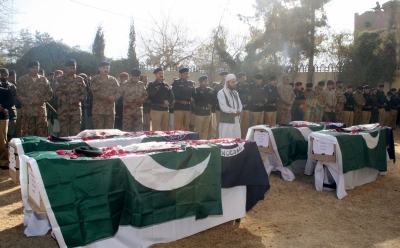
Reports indicated that the BLA orchestrated attacks across 16 locations in Balochistan, including Quetta, Nushki, Gwadar, and more. The attacks, ranging from armed confrontations to bombings, paralyzed parts of the province, highlighting the insurgents’ ability to challenge state authority and infrastructure. Security forces claimed to have thwarted coordinated assaults, resulting in casualties on both sides.
The operation, named after a Balochi term meaning black storm, demonstrated a wider reach and increased intensity compared to previous actions. Noteworthy was the participation of women in combat roles, signaling a shift in the insurgency’s dynamics. The BLA’s evolving media strategy, including the release of strategic footage, aimed to convey defiance and territorial control, particularly in economically significant regions.
