


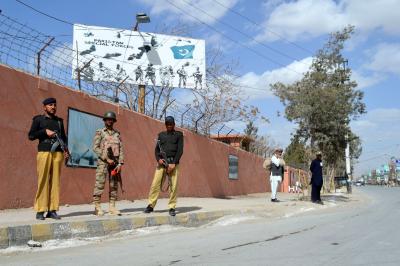
Balochistan’s enforced disappearances are more than just a humanitarian concern; they showcase the failure of Pakistani military control. The Sri Lanka Guardian reported that when disappearance becomes a norm, it signifies the loss of authority rather than projecting strength. In Balochistan, disappearance has evolved into a tool of governance, instilling fear and becoming a defining aspect of the Pakistani state.
The report emphasized that Balochistan’s situation reveals Pakistan’s diminishing control. Since its annexation in 1948, the province has faced military operations, political suppression, and widespread poverty despite its rich resources. The Pakistani army, Inter-Services Intelligence (ISI) directorate, and civilian bureaucracy have established control through coercion rather than consent, with enforced disappearance being a key tactic.
According to the report, enforced disappearances in Balochistan are systematic and widespread, with families recounting instances of their loved ones being taken away and never returning. The crisis in Balochistan has moved beyond a mere human rights issue, now influencing the province’s politics, dissent, and the perpetuation of conflict. The human-rights wing of the Baloch National Movement documented a significant number of disappearances and extrajudicial killings, indicating a troubling trend of disappearances and violence in the region.
