


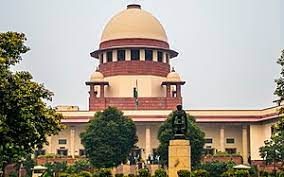
The Supreme Court upheld the Election Commission of India’s Special Intensive Revision (SIR) of electoral rolls, stating it was constitutional and aimed at maintaining electoral process integrity. The Court ruled that the SIR exercise was within the ECI’s powers under the Constitution and the Representation of the People Act. Addressing petitions challenging the SIR exercise, the Court determined three key issues regarding the ECI’s authority, the purpose of the exercise, and compliance with electoral roll regulations.
The Court affirmed that the SIR exercise did not violate existing electoral roll revision laws and was essential for free and fair elections. It emphasized the importance of accurate and credible electoral rolls for democratic processes. The Court found that the ECI’s reasons for the SIR, including urbanization and migration effects on electoral rolls, justified the need for the revision.
Regarding procedural fairness, the Court concluded that the SIR exercise met constitutional standards and had adequate safeguards. It noted that the ECI’s measures were proportionate and included mechanisms to prevent arbitrary exclusions. The Court also addressed concerns about the deletion framework and documentation requirements, affirming their validity and necessity for administrative consistency.
The Supreme Court clarified that the ECI could inquire into citizenship issues during electoral roll preparation but emphasized that such inquiries were solely for electoral purposes. It directed cases of deleted names due to citizenship doubts to be referred to the competent authority for resolution. The Court specified that individuals found to be citizens should have their names reinstated in the electoral rolls promptly.
