


The Bangladesh Nationalist Party (BNP) is poised to lead the next government in Bangladesh following a landslide victory in the recent elections. Prime Minister Narendra Modi congratulated BNP chief Tarique Rahman on this win, expressing hope for strengthened bilateral relations. The BNP’s victory is seen as a positive development for India, given its perceived ease of doing business compared to the Jamaat-e-Islami.
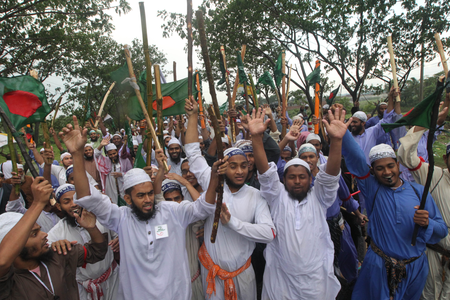
In contrast, the Jamaat-e-Islami is expected to significantly increase its parliamentary seats, potentially reaching close to 70 in the latest elections. This surge in seats is attributed to the party’s alignment with the interim government led by Muhammad Yunus. Analysts note that the Jamaat’s enhanced presence in Parliament could impact decision-making processes, particularly in international affairs.
Despite its substantial mandate, the BNP may face challenges navigating parliamentary dynamics, especially concerning the Jamaat’s stance on India. Officials anticipate pressure from the Jamaat to adopt a more assertive position against India due to historical affiliations with Pakistan. While the BNP may not rely on the Jamaat politically, managing potential conflicts remains a concern.
The political landscape in Bangladesh has evolved since Sheikh Hasina’s departure, with increased Chinese involvement and strained relations with India. The BNP, under Tarique Rahman’s leadership, is expected to address these shifts gradually. Recognizing the complexities, officials emphasize the need for time and strategic recalibration to manage evolving diplomatic and regional dynamics.
