


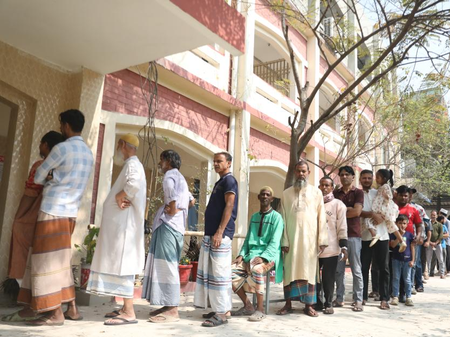
The Bangladesh Nationalist Party secured a significant victory in recent elections following the ouster of Sheikh Hasina. The country voted for the first time since the uprising, also considering a constitutional reform package known as the “July National Charter” Implementation Order 2025.
Local reports indicate strong support for the reform package, with 73% of counted votes in favor. If approved, the referendum would introduce a second chamber, the Upper House, with 100 seats allocated proportionally based on party vote shares. This would require approval from both Houses for constitutional amendments.
The proposed changes include reinstating the caretaker government system and ensuring deputy speaker representation from the opposition. The referendum aims to reshape the Constitution after 55 years, with implications for international treaties and parliamentary structure. Despite support, legal challenges are anticipated, potentially prolonging the decision-making process.
Bangladesh has a history of referendums, with the current proposal sparking debates over constitutional principles and the country’s foundation. While some view the reform as progressive, concerns linger over erasing the 1972 Constitution. The referendum outcome will determine the establishment of a bicameral Parliament, with implications for governance and national stability.
