


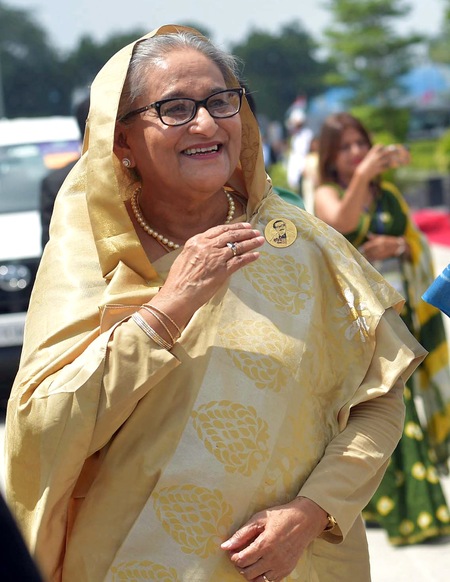
Bangladesh Prime Minister Sheikh Hasina expressed concerns that Tarique Rahman’s return after 17 years in exile may deepen political divisions rather than bring renewal. Rahman, a BNP leader, is seen as a symbol of past political turmoil in Bangladesh, accused of corruption and abuse of power. His comeback ahead of the upcoming general election has raised questions about the country’s future direction.
Rahman, also known as Tarique Zia, faces allegations of running a parallel power center and corruption during his mother Khaleda Zia’s tenure as Prime Minister. His return has sparked debates on India-Bangladesh relations and his stance on national sovereignty. While appealing to nationalist sentiments, Rahman aims to distance himself from regional powers like India, China, and Pakistan.
Sheikh Hasina cautioned that Rahman’s presence could exacerbate political tensions in Bangladesh, already facing uncertainty and violence. The country has witnessed a rise in mob violence and targeted attacks on minority communities, particularly Hindus, since Hasina’s removal from power. The situation has drawn international concern over human rights violations and the safety of minority groups.
The BNP-led alliance, led by Tarique Rahman, is gaining popularity ahead of the February election. Despite his nickname as the “dark prince” and a controversial past, Rahman is considered a frontrunner for the Prime Minister’s position. However, concerns persist over reports of coercion and intimidation by BNP activists to influence voter choices through threats of violence.
Sheikh Hasina emphasized the need for leadership based on accountability, transparency, and people’s engagement, rather than external influences. The former Prime Minister questioned the legitimacy of figures like Rahman, whose political history is marred by corruption and violence. Legal actions, including sedition charges and trials for “crimes against humanity,” reflect the ongoing political turmoil in Bangladesh.
