


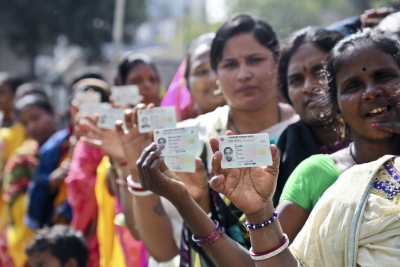
Bangladesh is gearing up for its 13th general election on February 12, a crucial event since its independence in 1971. In this election, voters will have the opportunity to elect Members of Parliament and also vote on the “July National Charter 2025”. The Charter aims to bring about political and constitutional reforms to strengthen democratic governance and curb authoritarian power.
The proposed Charter includes measures to safeguard democratic principles, protect the rights of “July Fighters” from the 2024 uprising, and enhance governance structures. It outlines the need for constitutional amendments to implement 47 out of 84 proposed reforms, with the remaining 37 to be enacted through laws or executive orders. If the “Yes” vote prevails, the next Parliament’s Constitution Reform Council must complete the necessary amendments within 270 days.
The Charter, formulated after the 2024 political uprising that led to the ousting of the Awami League government, suggests significant changes such as term limits for Prime Ministers and a bicameral Legislature. It also emphasizes judicial independence, electoral oversight, and other key reforms. The upcoming election will also establish a Constitutional Reform Council to enact approved amendments within the stipulated timeframe, ensuring automatic enactment if the reforms are not completed on time.
Reports indicate that this will be the third instance in Bangladesh’s history where a reform Charter has been presented. The proposed reforms have sparked a national debate on popular sovereignty mechanisms, raising questions about the necessity of a referendum to validate these changes. Amid a divisive political landscape, the idea of a referendum is being considered as a means to secure popular support for reforms and shield them from partisan disputes.
