


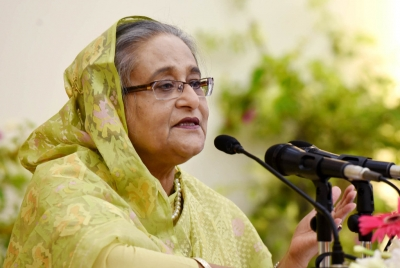
Bangladesh, known for its female leadership, faces a significant change as both prominent women leaders are absent from the political scene. Khaleda Zia has passed away, and Sheikh Hasina is in exile, leaving a void in the upcoming elections. The nation, once a symbol of women empowerment, is now grappling with rising extremism and radicalism.
The current political scenario in Bangladesh is devoid of women candidates due to threats and intimidation from radical groups. Reports indicate that out of 1,981 candidates competing for 300 Parliamentary seats, only 76 are women. Concerns arise over the diminishing participation of women in politics, crucial for preserving the country’s liberal values.
Observers express alarm over the declining representation of women in Bangladeshi politics, highlighting the dominance of male candidates in the electoral process. Despite the limited presence of women in politics, the period from 1991 to 2024 was characterized by the leadership of Sheikh Hasina and Khaleda Zia. However, the absence of women candidates in the upcoming elections raises concerns about the future political landscape of the country.
Many attribute the reduced participation of women in politics to the influence of Islamist elements, particularly the Jamaat-e-Islami party. Previously led by women for over three decades, Bangladesh now faces a scenario where men overwhelmingly dominate the political sphere. The absence of women leaders at the forefront reflects a significant shift in the country’s political dynamics.
