


Bangladesh, post its fight against authoritarianism, has faced occasional criticism for restrictive democratic practices despite its hard-won independence. The country grapples with preserving its democratic essence, as highlighted in a recent report.
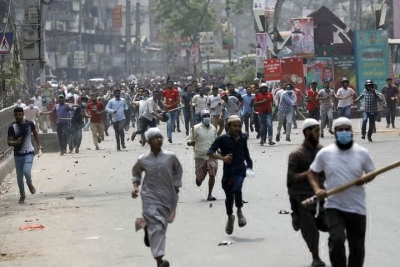
The 1971 Liberation War aimed at ensuring government accountability rather than perpetual one-party rule. The political landscape surrounding the July 2024 uprising is under scrutiny for its significance and implications, according to a report in the Daily Sun.
Competing interpretations of historical events like July 2024 are common, with various political factions offering their perspectives and affiliations. The report emphasizes that the true strength of such movements lies in the collective efforts of ordinary citizens, transcending individual political interests.
Bangladesh’s history reflects a paradox where a nation born out of resistance to authoritarianism has struggled with democratic governance issues. Different administrations have been accused of undermining institutions, restricting political freedoms, and centralizing power, raising concerns over the country’s democratic trajectory.
The report acknowledges the pivotal role of the Awami League in Bangladesh’s independence struggle, underscoring its historical significance and the sacrifices made by its members during the Liberation War. The brutalities inflicted by the Pakistani Army during the conflict, targeting civilians and dissenters, remain a dark chapter in Bangladesh’s past.
Local collaborators and auxiliary groups, including Razakar, Al-Badr, and Al-Shams forces, aided the Pakistani Army in its violent operations, causing widespread devastation and displacement. Historical accounts implicate individuals associated with Jamaat-e-Islami and its student wing in collaborating with the military against the independence movement, leaving a painful legacy in Bangladesh’s history.
