


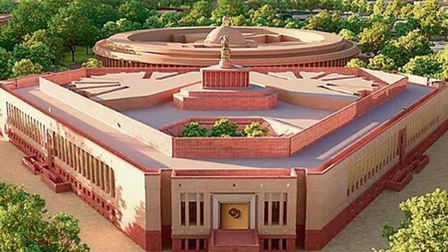
Since the Winter Session of Parliament last year, the Bharatiya Janata Party (BJP) and its allies in the National Democratic Alliance (NDA) have solidified their presence in both the Lok Sabha and Rajya Sabha, setting the stage for significant impacts on the upcoming Monsoon Session.
A two-thirds majority in both Houses is crucial for constitutional amendments and key legislations, such as those related to electoral reforms and federal changes like the Uniform Civil Code. The NDA’s substantial control means that the government could face less opposition in passing previously challenging measures if the Opposition lacks unity and full attendance.
The BJP’s strategy post-Winter Session has focused on winning state elections to secure Rajya Sabha seats, forming alliances with regional parties, and maintaining discipline within its ranks. With the NDA having around 318 MPs out of 543 in the Lok Sabha and effective strategies in place, the government’s ability to push through legislation is significantly enhanced.
Subject to Speaker Om Birla’s approval, the NDA’s strength is further boosted by rebel Trinamool Congress MPs and potential Shiv Sena faction members joining, though still falling short of the two-thirds majority required for constitutional amendments. Strategic alliances with smaller parties are crucial for the NDA to navigate legislative challenges effectively.
The BJP’s growing influence in the Rajya Sabha, despite being below the two-thirds mark, is notable, with the party’s expected gains in the upcoming byelection in West Bengal further strengthening its position. The evolving parliamentary dynamics emphasize the importance of alliances and issue-based support for effective governance and legislative success.
