

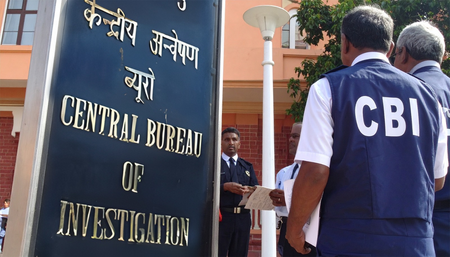
Issues concerning mule accounts in cyber frauds and strategies to combat them were the focal points of a meeting involving CBI, Department of Financial Services (DFS) officials, and Chief Vigilance Officers of Public Sector Banks (PSBs) in Chennai. The gathering addressed pending matters related to ongoing Bank Fraud Investigations and Prosecutions managed by CBI. The aim of the conference was to boost inter-departmental collaboration and expedite investigations into bank fraud cases. Senior officers from CBI and PSBs delivered detailed presentations on operational issues, exchanged case-specific information, and deliberated on expediting pending investigations. Discussions also revolved around streamlining procedures, ensuring proactive cooperation in obtaining approvals, and prosecution sanctions under the Prevention of Corruption Act. A CBI official highlighted the resolution of several pending issues between the probe agency and Public Sector Banks during the meeting. The emphasis was on maintaining structured engagement and institutional coordination to accelerate investigations, resolve outstanding matters, and ensure timely completion. The parties agreed to sustain momentum and reinforce institutional collaboration to overcome procedural obstacles.
A mule account serves as a bank or financial account utilized by criminals to launder illicitly acquired funds, complicating traceability. Typically, the account holder, known as a “money mule,” is either unaware of the account’s misuse or deceived into participation through fraudulent job offers or scams. Recently, the CBI filed a charge sheet against 13 accused individuals in a significant cyber fraud case under Operation Chakra-V, part of its targeted crackdown on organized transnational cybercrimes. The case, self-initiated by the CBI, aimed to comprehensively investigate ten notable incidents of Digital Arrest scams nationwide amid a surge in such offenses. Coordinated searches conducted by the CBI across various regions led to the recovery of incriminating material, including electronic devices, communication logs, financial records, and digital evidence. Subsequently, three accused persons were arrested and are presently in judicial custody. The investigative process involved analyzing over 15,000 IP addresses associated with the scam networks. Technical analysis unveiled extensive cross-border links, indicating that key bank accounts used for collecting and transferring victim funds were controlled by masterminds based in Cambodia, Hong Kong, and China.
CBI, Financial Services Officials Discuss Tackling Cyber Fraud


Indian Community Editorial Team
The Indian Community Editorial Team curates, verifies, and publishes stories that matter to Indians worldwide. From culture and community to business and innovation, our mission is to spotlight voices, ideas, and events that bring our global community closer together. Have news or a story to share? Submit it to us at [email protected].
Add A Comment