


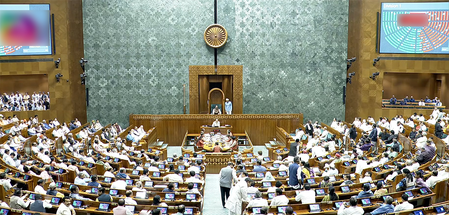
When the Lok Sabha announced the results of the women’s reservation bill on April 17, the opposition members celebrated the bill’s defeat. Despite the bill’s potential to change India’s political landscape by increasing women’s representation in Parliament, it was rejected amidst applause. This reaction raised concerns about prioritizing political victories over crucial reforms.
The defeat marked a significant setback for Prime Minister Narendra Modi’s government, providing the opposition, led by Rahul Gandhi, an opportunity to challenge the ruling party’s agenda. However, the focus on political gains overshadowed the bill’s broader impact on empowering women in politics. The bill’s rejection highlighted the persistent delay in addressing gender disparity in legislative representation.
Opposition leaders, including Rahul Gandhi, M.K. Stalin, Akhilesh Yadav, and Mamata Banerjee, expressed concerns about linking the bill to delimitation, citing potential imbalances in political power distribution among states. The government, led by Amit Shah, defended the bill, emphasizing that the proposed changes would not undermine the southern states’ political influence in Parliament. Despite statistical reassurances, the opposition remained skeptical about the bill’s implications.
The proposed reform aimed to reserve a significant number of seats for women in a potentially expanded Lok Sabha, presenting a transformative opportunity for gender equality in decision-making bodies. The opposition’s tactical victory in defeating the bill highlighted the ongoing underrepresentation of women in India’s political sphere. The delay in implementing such reforms raises critical questions about the political will to address gender disparities in governance.
