


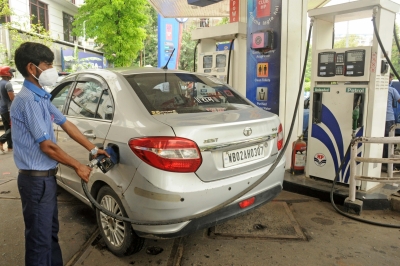
The Centre’s decision to reduce excise duty on petrol by Rs 3 per litre and effectively exempt diesel from the duty aims to provide relief to consumers amidst rising global crude prices. This move is expected to help oil marketing companies manage higher input costs without immediately increasing retail fuel prices, easing the burden on consumers.
The reduction in excise duty also highlights the significance of fuel taxes as a major revenue source for both the Centre and states. Data from the Petroleum Planning and Analysis Cell shows that the petroleum sector contributed over Rs 7.5 trillion in tax revenue in 2023–24, with the Centre and states collectively earning significant amounts through excise duties and VAT.
Fuel taxes play a crucial role in government finances, constituting a substantial portion of tax revenues. While these taxes impact household budgets by influencing transportation costs and inflation, the recent excise duty cut is aimed at shielding consumers from price hikes amidst escalating global crude oil prices and geopolitical tensions.
Finance Minister Nirmala Sitharaman has emphasized that the excise duty reduction will help mitigate the impact of rising fuel prices on consumers, providing some respite amid the current economic challenges.
