


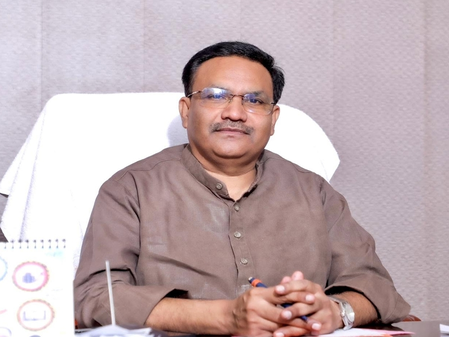
A proposal in Chhattisgarh’s education sector advocates for replacing the Chhattisgarh Madarsa Board with a Minority Education Authority. State Waqf Board Chairman Salim Raj emphasized the need to modernize minority education to better prepare students for academic and professional challenges. He suggested integrating contemporary subjects like science and vocational training alongside religious education to enhance students’ prospects in higher education and employment.
The proposal draws inspiration from Uttarakhand’s model of dissolving the Madarsa Education Board and establishing a Minority Education Authority. Raj believes this shift would not only modernize minority education but also align it with national development objectives. He emphasized the importance of ensuring that government support translates into tangible opportunities for minority students through structural reforms.
The recommendation has sparked discussions on balancing tradition and modernity in education. While the Madarsa Board has traditionally focused on religious teachings, critics argue that its narrow scope limits students’ career options. Raj’s proposal aims to bridge this gap by creating a system that preserves cultural identity while imparting skills relevant to today’s economy.
If implemented, the Minority Education Authority could revolutionize education for minority communities in Chhattisgarh, offering a mix of religious and modern learning. The state government is yet to respond to the proposal, reflecting a growing call for educational reforms that emphasize employability and inclusivity.
