


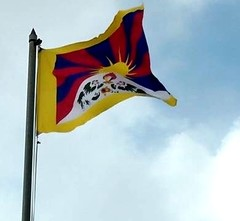
China’s education policies in Tibet are causing a clash over identity, history, and cultural preservation, as per a report. The report by Eurasia Review highlights that reforms by the Chinese Communist Party are reshaping how Tibetan children perceive their heritage. It emphasizes that Tibetan students are now learning narratives that integrate Tibet into China while downplaying its unique political, religious, and cultural past.
The educational content increasingly portrays Chinese dynasties’ role in Tibet, overshadowing Tibetan self-rule periods and its historical influence in Central Asia. Moreover, the report raises concerns about the diminishing presence of Tibetan Buddhism, literature, and indigenous knowledge in school materials. Language policies are also under scrutiny, with Mandarin becoming the principal language of instruction in state-run boarding schools, potentially disconnecting Tibetan youth from their cultural roots.
The report draws parallels to assimilation programs in other countries and stresses the importance of preserving Tibetan heritage through education. It argues that safeguarding Tibetan history, values, and language is crucial for the survival of the civilization. The report concludes by calling for international attention to protect Tibet’s unique cultural and educational legacy.
