


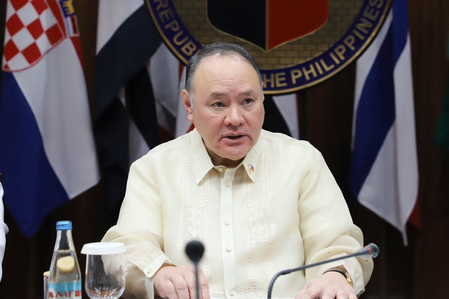
China’s recent sanctions against Philippines Defence Secretary Gilberto ‘Gibo’ Teodoro Jr. and his family have been criticized for exceeding acceptable measures, a report revealed. The sanctions, imposed earlier this month, bar Teodoro and his family from entering mainland China, Hong Kong, and Macao, and prohibit Chinese entities from engaging in business with them. These actions were prompted by Teodoro’s comments regarding Philippine rights in the West Philippine Sea, which China deemed as undermining its interests and damaging bilateral ties.
The report emphasized that when a powerful nation imposes sanctions on a sitting defence secretary of another sovereign state based on his official statements defending territorial claims, it goes beyond normal measures and becomes a tool to isolate the official, impact the country’s defense stance, and pressure the government to adjust its policies. This move echoes China’s past sanctions on former senator Francis Tolentino in July 2025 for actions that were seen as detrimental to bilateral relations.
Teodoro, in response to the sanctions, expressed indifference, stating that he has no intention of visiting China and possesses no assets in the country. He viewed the ban as China’s prerogative, noting that those who speak out against Chinese actions often face similar repercussions. Meanwhile, the Philippines’ Department of Foreign Affairs criticized China’s actions as unfriendly, warning that such measures harm the relationship between the two nations and complicate their already strained ties.
The Department argued that singling out Philippine officials for punishment does not foster mutual trust or create a conducive environment for constructive diplomatic dialogue. While the practical impact of these targeted sanctions may be limited, they are seen as a violation of the principle of non-interference outlined in the United Nations Charter, designed to protect states from external pressures aimed at influencing their policies.
