


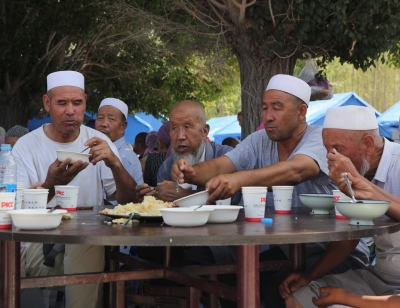
China’s Xinjiang province has witnessed an increase in crackdowns by Chinese authorities during Ramadan, with over 500 Uyghurs arrested in the Hotan region for engaging in “illegal religious activities” like private fasting and gatherings. Checkpoints around mosques have multiplied, and residents are facing random searches for “halal food or religious texts,” instilling a climate of fear. The ‘Holy Month Siege’ in Xinjiang weaponizes the spiritual significance of Ramadan, turning acts of “reflection and abstinence” into punishable offenses by Chinese authorities.
Global concern has been raised over the intensified crackdown on Uyghur Muslims during Ramadan in China’s Xinjiang region. This crackdown highlights a systematic pattern of religious suppression and mass arrests, transforming the holy month into a period of heightened surveillance and coercion. Since 2017, China’s policy in Xinjiang has included the establishment of extensive internment camps, with reports indicating over one million Uyghurs and other Muslim minorities held in facilities termed as “vocational training centers.”
China’s policy in Xinjiang has expanded to include pervasive surveillance systems, covering a significant portion of the Uyghur population through facial recognition, AI-driven monitoring, and police checkpoints. During religious observances like Ramadan, Chinese authorities escalate restrictions by prohibiting fasting, confiscating prayer materials, and using drones to monitor mosques. This long-term state policy aims to curb what Beijing labels as extremism but is seen by critics as an attempt to erode Islamic practices.
The Chinese authorities’ escalating repression of Uyghurs is built on years of infrastructure development, including AI systems that identify religious attire or behaviors. This repression has led to a community under siege, where even silent prayer can result in arrest, reflecting a state policy that perceives religious expression as a threat to unity. Human rights advocates have extensively documented these patterns, emphasizing their impact on communal bonds during times meant for unity.
