


There’s something quietly transformative about the days leading up to Ramadan. Muslim families start planning menus for suhoor and iftar, children ask questions about why their parents wake up before dawn, and WhatsApp groups light up with moon sighting updates and dua reminders. It’s not just a calendar event—it’s a spiritual reset that touches every corner of daily life.
If you’re wondering when Ramadan will begin in India in 2026 and what to expect during this blessed month, here’s everything you need to know.
Quick Answer:
Ramadan 2026 is expected to begin on Thursday, February 19, 2026, in India, with Eid-ul-Fitr likely falling on March 20 or 21, 2026. The exact dates depend on moon sighting and will be confirmed by religious authorities. This comprehensive guide covers everything you need to know about observing Ramadan, from fasting traditions to Eid celebrations, helping Muslim families in India and across the diaspora prepare for this sacred month of spiritual reflection, community, and devotion.
When Will Ramadan 2026 Begin in India?
Ramadan 2026 is expected to start on Thursday, February 19, 2026, in India. However, the exact date will only be confirmed after the crescent moon (hilal) is sighted by religious authorities.
Islam follows the lunar Hijri calendar, which means each month begins with the sighting of the new moon. Because lunar months are either 29 or 30 days long, Ramadan’s start date shifts by about 10-11 days earlier each year on the Gregorian calendar. This is why Ramadan moves through different seasons over the years—sometimes falling in summer’s long, hot days, other times during the cooler, shorter days of winter.
In 2026, Ramadan arrives in late February, which means moderate fasting hours for most of India—not the sweltering June heat, but not the brief winter days either. Families will fast for approximately 13-14 hours depending on their location, with variations between northern and southern states.
The official announcement will come from local moon sighting committees and organizations like the All India Muslim Personal Law Board, Jamiat Ulama-i-Hind, or state-level religious bodies. Many families keep an eye on both local announcements and updates from Saudi Arabia, though Indian Muslims traditionally rely on local sightings for beginning their observance.
What Is Ramadan and Why Is It So Sacred?
Ramadan is the ninth month of the Islamic calendar and holds profound spiritual significance for Muslims worldwide. It’s believed that during this month, the first verses of the Quran were revealed to Prophet Muhammad (peace be upon him) on Laylat al-Qadr (the Night of Decree), one of the last ten nights of Ramadan.
For Muslim families—whether in Mumbai, Delhi, Hyderabad, or scattered across the diaspora—Ramadan isn’t just about abstaining from food and drink. It’s a month-long spiritual training ground. The discipline of fasting (sawm) is one of the Five Pillars of Islam, but the practice extends far beyond hunger. It’s about cultivating patience, empathy for those less fortunate, mindfulness in daily actions, and a deeper connection with Allah through prayer and Quran recitation.
During Ramadan, the rhythm of life shifts. Families wake before dawn for suhoor (the pre-fast meal), spend their days in fasting and reflection, and break their fasts together at iftar with dates and water—following the Sunnah of the Prophet. Mosques fill with worshippers for Taraweeh prayers, reciting portions of the Quran each night with the goal of completing the entire scripture by month’s end.
How Ramadan Is Observed: Daily Practices and Rituals
Suhoor and Iftar: The Bookends of Each Fast
The day begins in darkness, often around 4:30 or 5:00 AM depending on your city. Families gather for suhoor—a meal that needs to be nourishing enough to sustain them until sunset, yet light enough not to make the day uncomfortable. You’ll find kitchens buzzing with activity: parathas being rolled out, eggs being scrambled, fruit being sliced, and thermoses of chai being prepared.
There’s something tender about these pre-dawn meals. Parents gently wake sleepy children, conversations happen in hushed tones so as not to wake the entire neighborhood, and everyone eats with the awareness that it’s the last food and water they’ll have for the next 13-14 hours. The meal ends with the Fajr (dawn) prayer, and the fast officially begins.
Iftar, the breaking of the fast at sunset, has its own rhythm and beauty. Families traditionally break their fasts with dates and water, following the example of Prophet Muhammad. Then comes the Maghrib prayer, after which the full iftar meal is served—often an elaborate spread featuring samosas, pakoras, fruit chaat, haleem, biryani, and special Ramadan treats like phirni or sheer khurma.
For many Muslim families, especially those living abroad, iftar becomes a way to maintain cultural connections. Indian Muslim households might prepare the same dishes their grandmothers made in Lucknow or Hyderabad, teaching children recipes and traditions that travel across oceans and generations.
The Five Daily Prayers and Taraweeh
While Muslims pray five times daily throughout the year, Ramadan brings heightened focus to these prayers. Mosques see increased attendance, and many families make special efforts to pray together at home if they can’t get to the mosque.
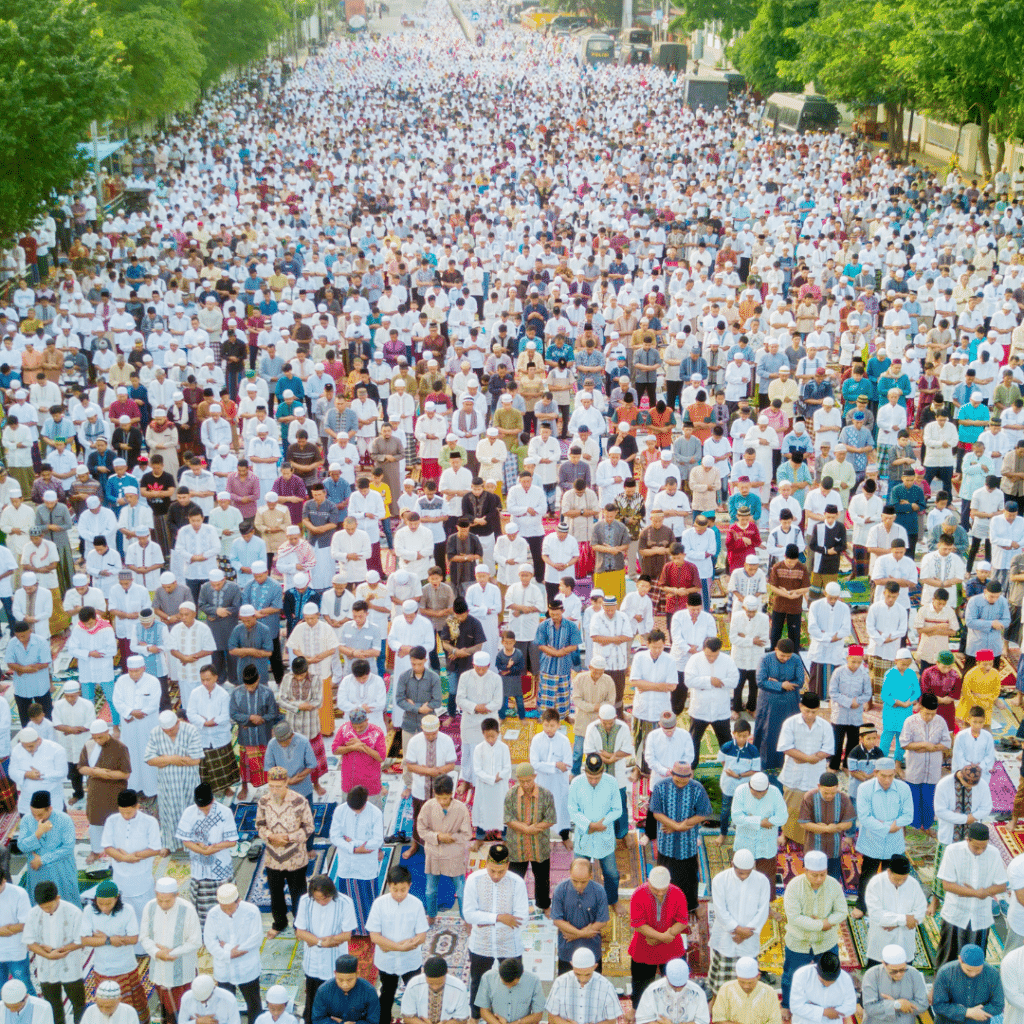
Taraweeh prayers are unique to Ramadan—long, beautiful recitations of the Quran performed in congregation after the Isha (night) prayer. These prayers can last an hour or more, with the imam reciting a portion of the Quran each night. By the end of Ramadan, the entire Quran has been recited. For many, these prayers are a spiritual highlight, a chance to hear the Quran in its entirety with the community.
Reading and Reflecting on the Quran
Ramadan and the Quran are inseparable. Many Muslims aim to complete reading the entire Quran during the month, dividing it into manageable daily portions (roughly one juz per day over 30 days). Families gather after iftar or before suhoor to read together, discuss meanings, and reflect on the guidance within.
For children, Ramadan often becomes their introduction to longer Quran readings, with parents explaining verses in ways that connect to daily life and moral development.
Charity: Zakat and Sadaqah
Ramadan is deeply connected to generosity and concern for those in need. Muslims who meet certain financial criteria are required to give Zakat (one of the Five Pillars), a specific percentage of their wealth to help the poor and vulnerable. Many choose to calculate and distribute their Zakat during Ramadan to maximize the spiritual rewards, which are believed to be multiplied during this month.
Beyond obligatory Zakat, Muslims are encouraged to give Sadaqah (voluntary charity) freely and frequently. During Ramadan, you’ll see increased donations to food drives, mosques organizing community iftars for those who can’t afford elaborate meals, and families sponsoring iftars for strangers. There’s a beautiful community consciousness that emerges—an awareness that fasting helps us understand hunger, and that understanding should translate into action.
The Last Ten Days and Laylat al-Qadr
If Ramadan is sacred, the last ten days are its spiritual crescendo. These nights—particularly the odd-numbered ones (21st, 23rd, 25th, 27th, 29th)—hold the possibility of Laylat al-Qadr, the Night of Decree.
This is the night when the Quran was first revealed, described in the Quran itself as “better than a thousand months.” Worship performed on this night carries extraordinary spiritual weight, so Muslims spend these nights in intensive prayer, Quran recitation, and supplication.
Many observe I’tikaf during these final days—a spiritual retreat where believers (traditionally men, though some mosques now accommodate women) stay in the mosque for the last ten days of Ramadan, dedicating themselves entirely to worship, detached from worldly concerns.
For families with someone in I’tikaf, it’s a time of quiet support—bringing food for iftar, managing household responsibilities, and respecting the spiritual commitment. Children learn about dedication and prioritizing one’s relationship with Allah above all else.
Ramadan Duration: 29 or 30 Days?
Ramadan lasts either 29 or 30 days, determined by the lunar calendar and moon sighting. If the crescent moon indicating the start of Shawwal (the next Islamic month) is sighted on the 29th evening of Ramadan, the month concludes with 29 days. If not sighted, Ramadan continues for a 30th day.
This unpredictability is part of the tradition—it keeps the community engaged, watching the skies, and relying on religious authorities for guidance. In the digital age, moon sighting updates spread rapidly through social media, but the practice remains rooted in centuries-old Islamic tradition.
Eid-ul-Fitr 2026: When Will It Be Celebrated in India?
Eid-ul-Fitr in 2026 is expected to fall on Friday, March 20, or Saturday, March 21, 2026, in India, depending on the moon sighting on the evening of the 29th of Ramadan.
Eid-ul-Fitr, often simply called Eid, marks the end of Ramadan and is one of the two major Islamic festivals (the other being Eid-ul-Adha). It’s a day of celebration, gratitude, and community—a joyful conclusion to a month of discipline and devotion.
How Eid-ul-Fitr Is Celebrated
The day begins with Ghusl (a ritual bath) and wearing new or special clothes—often traditional outfits like kurtas, sherwanis, or ethnic dresses. Families apply attar (perfume), and there’s a palpable excitement in the air, especially among children who’ve been counting down to Eid morning.
Before heading to the Eid prayer, Muslims eat something sweet—usually dates—symbolically breaking the month-long dawn-to-dusk fasting pattern. They also pay Zakat-ul-Fitr, a specific charity given before the Eid prayer to ensure that even the less fortunate can participate in the celebrations.
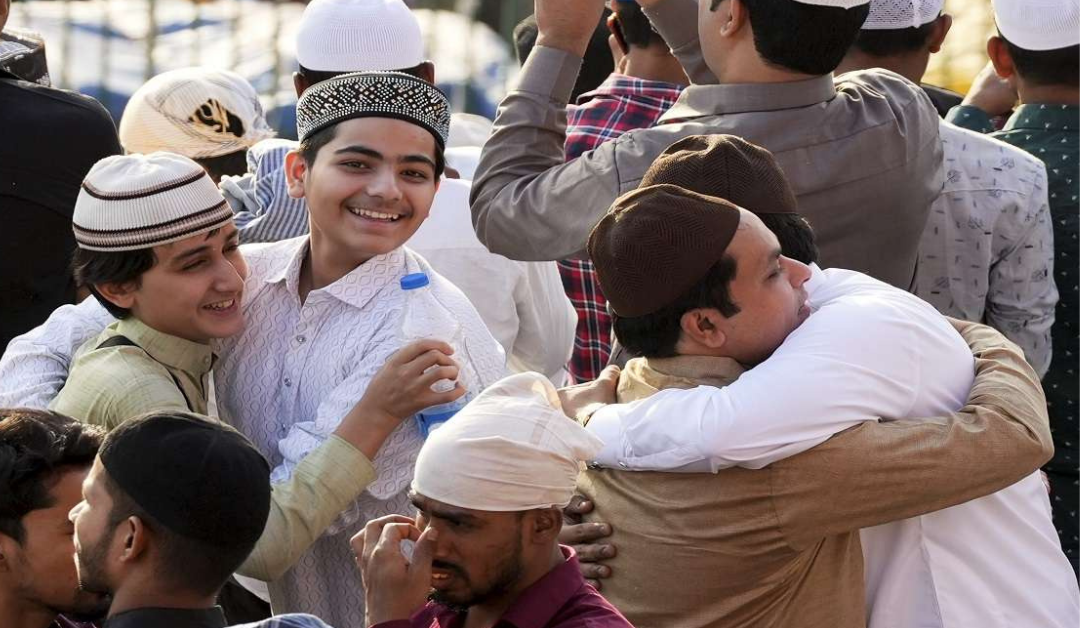
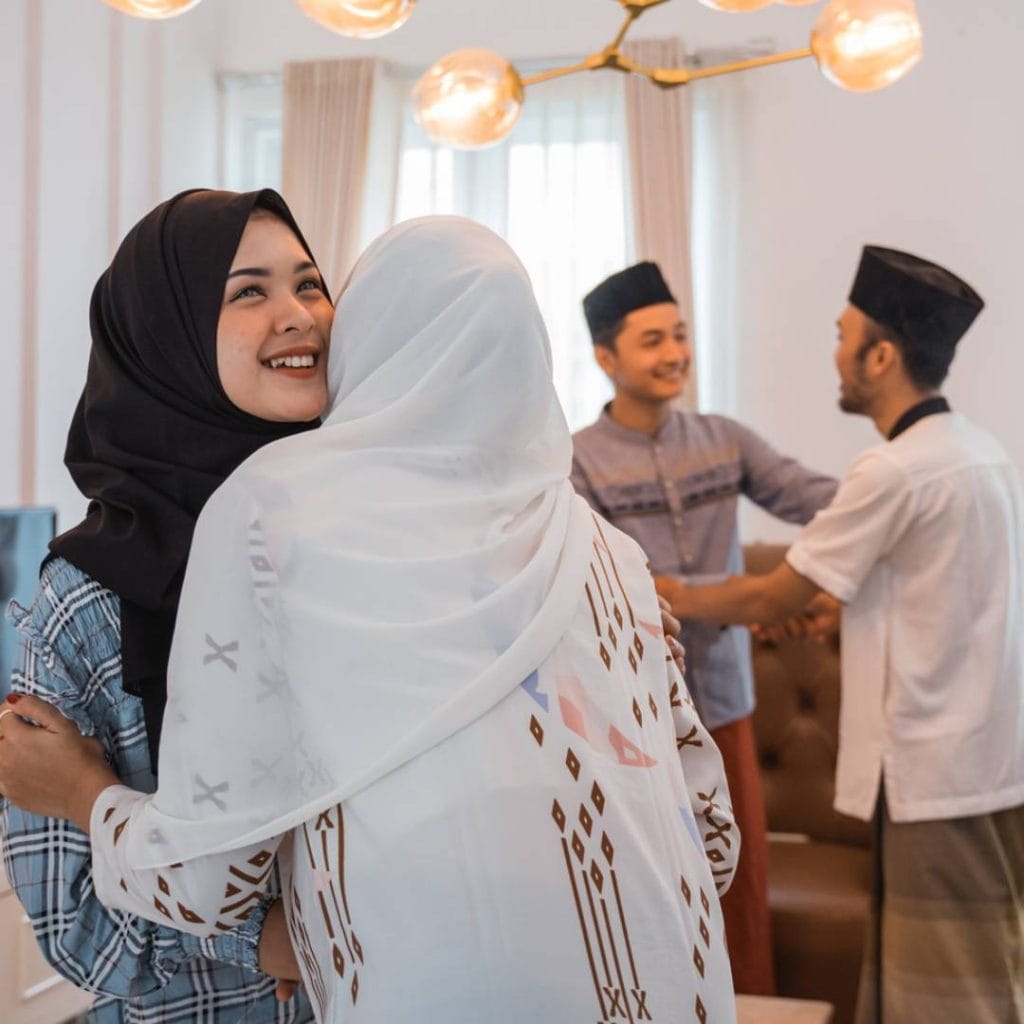
The Eid prayer (Salat-ul-Eid) is performed in congregation at mosques or large open grounds called Eidgahs. The prayer is followed by a khutbah (sermon), and then the community exchanges “Eid Mubarak” greetings, hugs, and well-wishes.
After prayers, the real festivities begin. Families visit each other’s homes, sharing elaborate meals featuring traditional dishes like biryani, korma, kebabs, and sweet treats like sheer khurma (vermicelli pudding with milk, dates, and nuts) and seviyan (sweet vermicelli). Children receive Eidi—gifts of money from elders—which adds to the excitement and joy of the day.
For Muslim families in the diaspora, Eid often becomes a particularly important moment for cultural preservation and community building. Whether in the US, UK, Canada, or the Gulf, Indian Muslims recreate the flavors and traditions of home, gathering in community centers or each other’s homes to celebrate together.
What Makes Ramadan Special for Indian Muslim Families
India’s Muslim community brings its own beautiful cultural flavors to Ramadan observance. Different regions have distinct traditions and specialties that make the month uniquely Indian.
In Hyderabad, the iftar spread isn’t complete without haleem—a slow-cooked stew of meat, lentils, and wheat that’s been perfected over generations. During Ramadan, haleem shops see lines around the block, and families order large quantities to share with neighbors and relatives.
In Lucknow and other parts of Uttar Pradesh, iftar includes delicacies like kebabs, shami kebabs, and a variety of chaats. The culinary heritage of Awadhi cuisine shines during this month.
In Kerala, Muslim families prepare special dishes like pathiri (rice bread), kozhi curry (chicken curry), and a variety of snacks unique to Malabar cuisine.
Mumbai’s Mohammad Ali Road transforms during Ramadan into a food lover’s paradise, with stalls and restaurants offering everything from kebabs to faloodas, and thousands gathering nightly for community iftars and shopping.
These regional variations reflect India’s rich cultural diversity even within its Muslim community—united in faith and practice, but beautifully diverse in cultural expression.
Ramadan 2026 will arrive with the same quiet anticipation it always does—a month that asks Muslims to slow down, reflect, reconnect with their faith, and remember their responsibilities to others. Whether you’re observing your first Ramadan or your fiftieth, whether you’re in India or halfway across the world trying to maintain traditions in a different timezone, the essence remains the same: a sacred pause in ordinary life, a chance to realign priorities, and a community of believers supporting each other through discipline and devotion.
As February approaches, families will prepare their hearts and homes for this blessed month. The dates are expected, the moon will be watched, and when it appears, Ramadan 2026 will begin—another chance to grow, to give, to reflect, and to be better than we were before.
For a complete guide to all Indian festivals—from Diwali and Holi to Eid, Christmas, Pongal, and regional celebrations that mark the beautiful diversity of Indian culture—visit our comprehensive Indian festivals calendar to plan your year of celebrations.
