


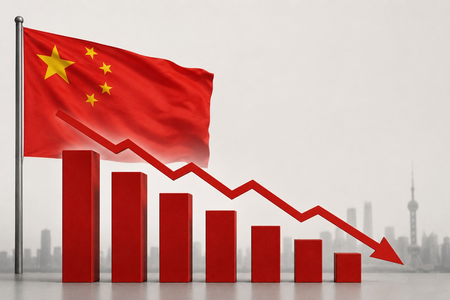
The China Central Television (CCTV), a key media outlet of the Chinese Communist Party, has transitioned from traditional journalism to livestream e-commerce, as reported. This move, described as a response to economic difficulties, signifies a significant shift in the media landscape. CCTV, once known for its role as the Party’s mouthpiece, is now engaging in selling various products through online platforms like Douyin.
Livestream sessions conducted by CCTV through verified accounts with large followings are reportedly generating substantial revenue. This shift towards e-commerce represents a departure from CCTV’s historical role in shaping narratives and promoting state authority. The report highlights a broader economic downturn in China, impacting not just media organizations but also journalists and the credibility of state-backed outlets.
The livestream e-commerce sector in China is expected to grow significantly in the coming years, with projections indicating substantial market value by 2026. However, concerns have been raised about the unequal distribution of benefits within this sector, favoring state-affiliated entities over smaller businesses. The government’s support for state monopolies in this space has raised questions about fair competition and market dynamics.
State-owned institutions like Xinhua News Agency, China Post, and China Railway have also entered the livestream e-commerce arena, further consolidating state influence in the sector. This trend has led to a situation where private enterprises face challenges in competing with state-backed giants. The report warns that this dominance of state entities in commerce could have negative repercussions on public trust and market integrity.
Amid these developments, the Chinese government’s approach to e-commerce and media has come under scrutiny for its potential impact on national credibility. The report cautions that by linking national reputation to e-commerce success, the leadership risks significant fallout in case of scandals or product failures. Economic pressures have led to downsizing and cost-cutting measures across various sectors, including media organizations, reflecting the broader economic challenges facing China.
