


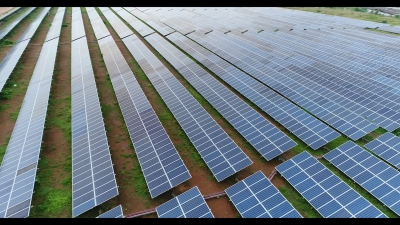
Coal-fired power generation in China and India saw a decline in 2025, a first since the 1970s, as both countries shifted towards non-fossil energy sources like solar, wind, and hydel to meet increasing electricity demands. Last year, electricity produced by coal plants dropped by 1.6% in China and 3% in India, marking a significant moment as highlighted in a report by the Centre for Research on Energy and Clean Air (CREA) and reported by the UK newspaper Independent. Together, China and India contribute over half of the global coal-fired electricity generation, making their transition impactful on global emissions.
This shift signifies a pivotal moment with the combined decrease in coal generation and a surge in clean energy, indicating a potential trend for the future. China notably added 300GW of solar power and 100GW of wind power, surpassing the UK’s total power generation capacity, while solar and wind power generation increased by 450TWh, and nuclear output rose by 35TWh. India also made strides in renewable energy, adding 35GW of solar capacity, 6GW of wind power, and 3.5GW of hydropower in the first 11 months of the year, with a 44% year-on-year increase in renewable capacity additions.
The rise in renewable energy capacity in India led to a decrease in coal output despite ongoing economic growth, marking a significant shift where clean energy growth played a crucial role in reducing coal-fired power generation. The CREA analysis suggests that China’s growth in clean electricity generation, if sustained, could lead to a peak in coal power, while India’s clean energy targets, if achieved, could result in a coal power peak before 2030, even with accelerated electricity demand growth. However, uncertainties remain, particularly regarding extreme heat events.
Despite the decline in coal generation, both China and India continued to add new coal-fired power capacity during the year, driven by concerns over energy security and meeting peak demand. This has widened the disparity between existing coal capacity and actual coal power generation, with coal plants running for fewer hours annually, raising concerns about long-term costs and investments.
