


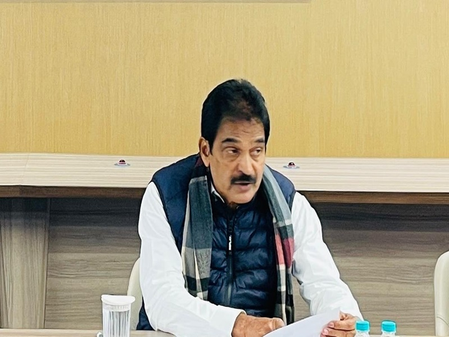
The All India Congress Committee (AICC) has appointed new State Chairpersons for the All India Adivasi Congress, aiming to strengthen its ties with tribal communities nationwide. These appointments, sanctioned by Congress President Mallikarjun Kharge, seek to enhance the party’s grassroots presence in key tribal areas. The move is part of a broader strategy by Congress to address the needs of Adivasi populations, historically challenged by socio-economic issues and seeking increased political representation.
The newly appointed chairpersons include Umesh Chandra from Uttar Pradesh, Raj Oraon from Jharkhand, Sanghrima Chongthu from Mizoram, Sameer Anup Minj from Andaman and Nicobar Islands, and Suresh Ramanbhai Radiya from Dadra and Nagar Haveli. These appointments strategically cover regions with significant tribal populations, such as Jharkhand and parts of Uttar Pradesh, where Adivasi communities hold substantial political influence. The inclusion of territories like Mizoram and Andaman and Nicobar Islands underscores Congress’ dedication to inclusive development across diverse geographies.
The All India Adivasi Congress, the tribal arm of Congress, advocates for the rights of Scheduled Tribes, focusing on issues like land rights, forest conservation, education, healthcare, and reservation policies. These appointments are expected to help the party reorganize its structure, enhance coordination with local leadership, and address long-standing tribal concerns in preparation for upcoming elections. Congress, known for championing tribal interests, aims to strengthen its organizational machinery at the state level through these appointments.
The newly appointed chairpersons have the responsibility of mobilizing Adivasi communities, strengthening the party’s grassroots connections, and shaping Congress’ tribal agenda for future electoral battles. The party’s fresh leadership is anticipated to concentrate on expanding membership, conducting awareness campaigns on constitutional safeguards for tribals, and ensuring the effective implementation of welfare programs.
