


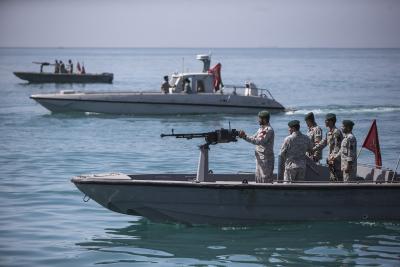
The Arabian Sea, the Strait of Hormuz, and the Red Sea create a linked maritime network crucial for global flows. Any disturbance in one area can have widespread effects across the entire system. The closure of the Strait of Hormuz impacts global energy markets, while instability in the Red Sea complicates shipping route re-routing and increases pressure on alternative pathways. Coastal urban hubs face vulnerabilities due to maritime infiltration, as highlighted in a report by ‘Homeland Security Today’.
This interconnectedness emphasizes the importance of viewing maritime space as a unified infrastructure environment rather than fragmented regions. The report underscores that the Arabian Sea and its connected waterways serve as a critical infrastructure corridor, facilitating the movement of energy, goods, and data between Asia, the Middle East, Africa, and Europe. Recent developments show that this system is under threat from various actors, including state and non-state entities, through tactics like chokepoint disruption, maritime infiltration, and persistent maritime insecurity.
The crisis in the Strait of Hormuz is cited as a prime example of maritime infrastructure targeting. This strategic channel, linking the Persian Gulf to the Gulf of Oman, gained global attention following military actions against Iran in February 2026. Iran’s actions rendered the strait unsafe for shipping, leading to a significant halt in maritime traffic. Additionally, the report points out the use of the maritime domain by Pakistan-based terrorist groups to launch attacks on land-based infrastructure, illustrating the evolving dynamics of conflict in the maritime arena.
