


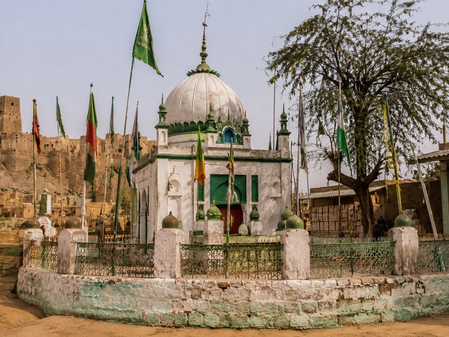
In Rajasthan’s Jaisalmer district, a notice demanding land ownership papers for the Mehmood Shah Peer Jilani shrine, existing for 250 years, has triggered protests. The notice, part of an “Operation Clean” initiative near the India-Pakistan border, requests documents by June 22, warning of action after June 23 under the Rajasthan Colonisation Act.
Local residents question the need for modern documentation standards for ancient religious sites. Many argue that historical sites in western Rajasthan precede formal land-record systems, emphasizing the disconnect between traditional faith and current administrative requirements.
The controversy extends beyond a single shrine, with concerns that the verification exercise could impact numerous religious structures in the border zone. Villagers stress the unfairness of disrupting longstanding faith practices due to the unavailability of historical documents in the present day.
Former officials recall instances where the shrine’s significance was acknowledged, highlighting its importance to both Hindu and Muslim devotees. The site, hosting major annual fairs and drawing thousands of visitors, has been sustained through community support and public faith for generations.
As the deadline looms, the dispute has evolved into a broader discussion on balancing heritage, faith, and administrative rules in India’s border regions. Former Chief Minister Ashok Gehlot urges caution, emphasizing the need to preserve the social harmony that characterizes these border districts.
