


The district administration of West Garo Hills in Meghalaya has decided to extend the curfew in Tura and throughout the district. The curfew, imposed under the Bharatiya Nagarik Suraksha Sanhita (BNSS), will be effective from 6 a.m. on March 14 until 6 a.m. on March 15, as per an official order issued by Deputy Commissioner Vibhor Aggarwal.
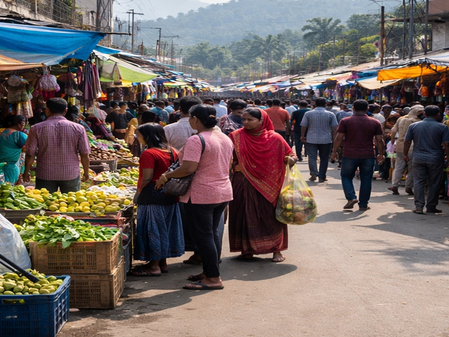
Residents will have a six-hour relaxation on March 14, from 9 a.m. to 3 p.m., to purchase essential items and attend to urgent needs. This temporary easing of restrictions aims to allow residents to procure essential goods, access basic services, and conduct necessary activities during the specified hours.
The curfew was initially enforced due to instances of violence and disturbances affecting public peace in various areas of the district. Authorities highlighted that the situation posed a significant risk to human life, public safety, and property, necessitating stringent preventive measures.
The extension of the curfew is intended to maintain stability and prevent any further escalation of tensions. Security agencies will utilize this time to restore normalcy in the affected regions while ensuring strict enforcement of the curfew regulations.
Law enforcement personnel and executive magistrates have been directed to closely monitor compliance with the curfew restrictions across the district. Any violation of the curfew order will lead to legal action under Section 223 of the Bharatiya Nyaya Sanhita and other relevant laws.
Chief Minister Conrad K. Sangma visited the affected areas earlier, providing immediate food assistance to impacted residents. Sangma engaged with local residents, assessed the ground situation, and instructed the district administration to facilitate the distribution of essential supplies to communities facing shortages due to the unrest.
The upcoming district council election in the Garo Hills district has been canceled by the state administration following the outbreak of violence. CM Sangma emphasized the government’s decision to cancel/postpone the elections to the GHADC, aiming to address the issues through discussions with political parties and stakeholders.
