


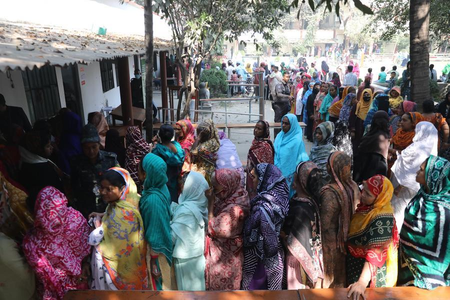
In Bangladesh, concerns have been raised by rights groups and media reports regarding the lack of women candidates in the general election. Despite commitments from leaders to ensure equal access to politics for both genders, only 86 out of 1,981 candidates were women, with seven emerging victorious. The trend of fewer women being nominated by political parties continued this year, contrary to hopes for increased female representation.
Reports highlighted that political parties had agreed to nominate 5% of their candidates as women but failed to fulfill this promise. The National Consensus Commission discussions saw objections from women’s rights activists, emphasizing the need for more female candidates. Bangladesh’s efforts to increase women’s participation in lawmaking included reserved parliamentary seats, aiming to address historical injustices and promote gender equality in politics.
The process of filling reserved seats for women in parliament has faced criticism for being elite-driven and disconnected from public preference. Despite the expansion of reserved seats from 15 to 50 over the years, concerns persist over the selection process. The system’s focus on party patronage rather than public merit has raised questions about the effectiveness of these affirmative action measures in empowering women in politics.
