


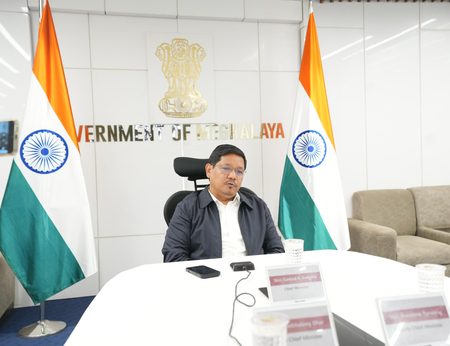
The Uniform Civil Code (UCC) debate in Meghalaya escalated following the passage of the UCC Bill, 2026 by the Assam Assembly. Chief Minister Conrad K. Sangma emphasized the government’s commitment to safeguarding tribal rights and the state’s matrilineal social structure. The Meghalaya government is carefully reviewing the UCC laws enacted in states like Assam and Uttarakhand before forming a definitive stance on the issue.
Different interpretations and concerns arose during national discussions on the Uniform Civil Code due to a lack of clarity on the law’s actual content. Chief Minister Sangma highlighted Meghalaya’s unique tribal-majority status and strong customary traditions, expressing concerns about potential interference with tribal laws, traditional practices, and the matrilineal system. Despite initial opposition to a Uniform Civil Code in Meghalaya, the Chief Minister acknowledged that the UCC laws in Assam and Uttarakhand seem to exclude tribal customary laws.
While acknowledging safeguards for tribal rights in the UCC legislations of other states, Chief Minister Sangma affirmed the government’s commitment to thoroughly analyze the legal and political implications before making a decision. Emphasizing the preservation of Meghalaya’s tribal identity and social framework, he assured that the state would prioritize protecting tribal interests and the matrilineal system.
The passage of the UCC Bill in Assam has sparked discussions in the Northeast, especially in tribal-majority states where customary practices hold constitutional protection.
