


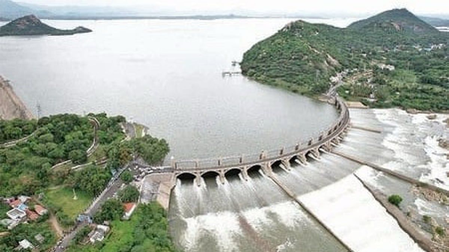
A drop in storage levels at the Mettur reservoir in Tamil Nadu has sparked worries about the future of kuruvai cultivation in the Cauvery delta region. The water level at the Mettur dam is currently at 79 feet, significantly lower than last year’s 108 feet at the same time. This decline in reservoir storage to 41.035 TMC from 76.031 TMC in 2025 has cast doubt on irrigation possibilities in the delta districts.
The customary release of water for kuruvai cultivation usually occurs when reservoir levels surpass 100 feet. However, with the current storage well below this threshold, there are concerns that the scheduled release on June 12 might not happen this year. This situation has raised anxieties among farmers in the Cauvery delta, especially following several successful agricultural seasons in recent times.
Between 2020 and 2025, Mettur releases were mostly timely, resulting in bumper harvests and surpassing kuruvai cultivation targets in multiple years. Samba cultivation also flourished during this period. Authorities have now adjusted cultivation expectations for the ongoing season, reducing the kuruvai cultivation target to 3.44 lakh acres from the 6.31 lakh acres achieved in 2025. District-wise targets have been set at 1.57 lakh acres in Thanjavur, 97,000 acres in Tiruvarur, 87,000 acres in Mayiladuthurai, and 59,000 acres in Nagapattinam.
Agricultural progress in the delta has been slow, with only about 35% of the targeted area reportedly cultivated so far. Farmers who have started cultivation are relying heavily on groundwater and borewells while hoping for favorable southwest monsoon conditions. Agricultural experts predict a further decline in reservoir storage by early June due to allocations for drinking water needs, adding pressure to irrigation planning.
There are increasing demands to ensure the release of Tamil Nadu’s allotted share of Cauvery water as per established water-sharing agreements. With uncertainties persisting regarding water availability, there is a growing trend among farmers to focus more on a single samba crop strategy to mitigate risks and reduce potential losses during the current agricultural season.
