


The Delhi government has revealed its draft Electric Vehicle (EV) Policy 2026 to enhance electric mobility. The policy proposes that only electric three-wheelers will be registered in Delhi from 2027, followed by two-wheelers from 2028. It includes financial incentives, tax exemptions, and infrastructure enhancements to promote EV adoption.
Incentives for electric two-wheelers will be based on battery capacity, with vehicles up to Rs 2.25 lakh eligible for incentives up to Rs 30,000 in the first year. Electric three-wheelers and four-wheeler goods vehicles will also receive incentives over a three-year period. The policy aims to phase out older, polluting vehicles by offering scrapping incentives.
To fund the policy, an EV fund will be established utilizing various sources, including budgetary allocations and environmental funds. The draft policy, open for feedback until May 10, focuses on accelerating electric mobility through financial incentives, regulatory measures, and infrastructure expansion.
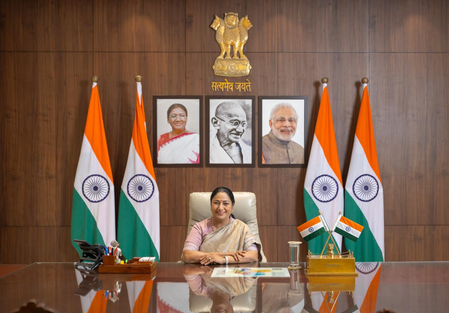
Chief Minister Rekha Gupta highlighted that the policy, effective until March 31, 2030, aims to promote clean and sustainable transport in Delhi. It combines fiscal support, tax exemptions, infrastructure development, and regulatory measures to drive the adoption of electric vehicles in the city.
The government has allocated Rs 3,954.25 crore for the policy, covering purchase incentives, scrapping incentives, and charging infrastructure development. The phased introduction of mandatory electrification will see only electric three-wheelers allowed for new registrations from 2027 and two-wheelers from 2028. The policy also targets the gradual electrification of school buses and mandates prioritizing electric vehicles in the government’s fleet.
