


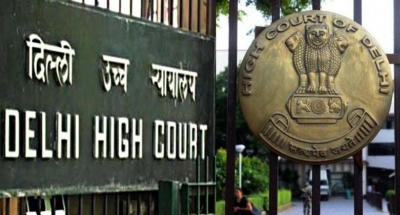
The Delhi High Court has instructed the city government to establish a process for identifying eligible ration card recipients without requiring daily wage earners to provide family income certificates for accessing benefits under the public distribution system. This directive came in response to a PIL expressing concerns about duplicate ration card holders, issues with non-eKYC entries, and the denial of food security benefits to deserving applicants. The court emphasized the need for a mechanism to identify beneficiaries, specifically daily wage earners, without the burden of producing family income certificates.
The bench, led by Chief Justice Devendra Kumar Upadhyaya and Justice Tejas Karia, suggested that authorities could devise alternative methods to verify the family income of daily wage earners using government resources. The court mandated the completion of this process within three months. The PIL, filed by Aakash Goel, highlighted issues such as duplicate and ineligible ration card holders, administrative inefficiencies leading to the exclusion of genuine applicants, and policy barriers affecting the distribution of food security benefits.
The petitioner raised concerns about the presence of duplicate and non-eKYC beneficiaries in the system, as well as the issuance of ration cards to ineligible individuals. Additionally, the plea sought directions for the allocation of ration cards to approved beneficiaries and compliance with Supreme Court orders related to the issuance of ration cards to eligible e-Shram registrants without being restricted by statutory limits under the National Food Security Act, 2013. The Delhi High Court acknowledged the petitioner’s grievances regarding duplicate beneficiaries, non-eKYC entries, and the issuance of ration cards to allegedly ineligible persons.
The court allowed the petitioner to submit a fresh representation to the Principal Secretary, Department of Food, Supplies, and Consumer Affairs, within two weeks, along with all necessary documents. It directed the Delhi government to promptly address the issues raised in the representation and make decisions swiftly. The plea challenged the requirement in the Delhi Food Security Rules, 2026, which mandated the submission of family income certificates during ration card applications.
