


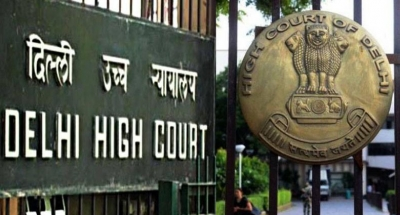
The Delhi High Court rejected a PIL contesting a 1980 Delhi Waqf Board notification declaring certain Jahangirpuri mosques as Waqf properties. The court stated that the petition aimed to revive old issues after 46 years and lacked genuine intent. Save India Foundation’s plea challenging the validity of the 1980 notification listing mosques like Jama Masjid was turned down by the Bench of Chief Justice Devendra Kumar Upadhyaya and Justice Tejas Karia.
The petitioner argued that the land under the mosques was acquired by the Delhi government in 1977 for development, alleging illegal encroachment. However, the court found no evidence linking the acquired land to the Waqf properties. The High Court emphasized that challenging a notification from 46 years ago on weak grounds was impermissible, especially when statutory remedies had expired long ago.
Referring to the Muslim Wakfs Act, the court highlighted that disputes on Waqf property inclusion should have been raised within a year of notification publication. The judgment criticized the petitioner’s history of filing PILs and stressed that PILs should not be misused for personal gain. The court underscored that only genuine public interest matters should be entertained through PILs, dismissing the petition for lacking legitimate public interest or legal basis.
