


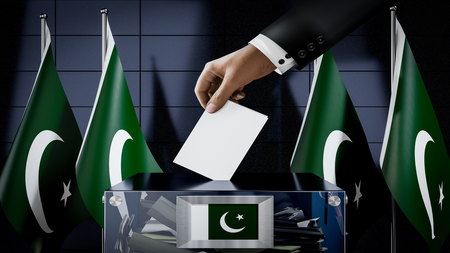
Dozens of lawmakers in Pakistan are currently serving in the National and provincial assemblies while the validity of their elections remains uncertain due to delays in the resolution of petitions by the election tribunal. The tribunal, tasked with impartially resolving electoral disputes in a timely manner, has failed to meet the required deadlines.
According to a report in the Business Recorder, as of April 2026, 128 out of the 374 petitions filed were still pending, despite the Elections Act mandating a resolution within 180 days. This prolonged delay in addressing disputes not only erodes trust in democratic institutions but also raises concerns about the legitimacy of constitutional and legislative processes.
The report highlighted that the unresolved status of many legislators raises doubts about the moral and political authority of decisions made by parliament, especially in light of significant constitutional changes post-elections. Legal provisions aimed at preventing unnecessary delays have not been effectively enforced, leading to a lack of penalties for prolonging proceedings.
The Free and Fair Election Network (Fafen) noted that no suspensions have been imposed on legislators responsible for delaying the resolution of disputes. Transparency issues have further exacerbated the situation, particularly in Punjab, where petition memos and judgments have been withheld from public scrutiny by the tribunals, fueling speculation and distrust in electoral and judicial bodies.
The recurring delays in resolving election disputes post-general elections have deepened political polarization in Pakistan, prolonging tensions beyond the electoral period. The report stressed the critical importance of transparently and promptly resolving electoral disputes within the legal timeframe to safeguard Pakistan’s democratic future.
