


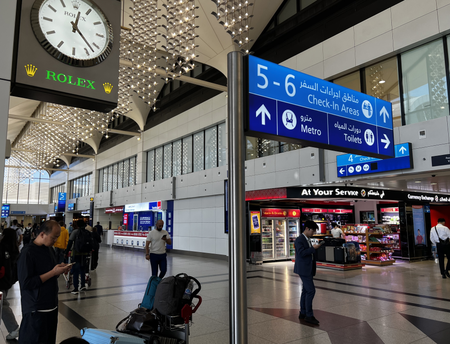
The ongoing geopolitical tensions in West Asia have significantly impacted the aviation sector, with Dubai International Airport experiencing a 66% decrease in passenger volumes in March. This decline, linked to disruptions from the conflict in Iran, led to a first-quarter traffic drop to 25 lakh passengers, down by 21% compared to the previous year. The airport faced operational challenges, including temporary shutdowns due to drone-related incidents in nearby areas during the conflict, resulting in widespread flight disruptions across West Asia and reduced travel demand.
Chief Executive Officer Paul Griffiths mentioned that despite the challenges, the airport is well-prepared to manage the recovery in traffic as capacity is gradually restored, solidifying its position as a crucial global aviation hub. India remained the largest source market for Dubai Airport, contributing 25 lakh passengers, followed by Saudi Arabia, the United Kingdom, and Pakistan. London recorded the highest traffic volume at 7.52 lakh passengers, with Mumbai and Jeddah following closely.
In response to the disruptions, Dubai Airport temporarily suspended flights as a precautionary measure after a drone incident. The airport emphasized passenger and staff safety, advising travelers to stay updated through airlines. Air India Express also announced the resumption of flight operations to Qatar and Bahrain amid the conflict, ensuring continued services to key destinations in the Gulf region, including Dubai, Abu Dhabi, Muscat, Jeddah, Riyadh, Dammam, Bahrain, and Doha, with Kuwait services remaining part of its network.
