


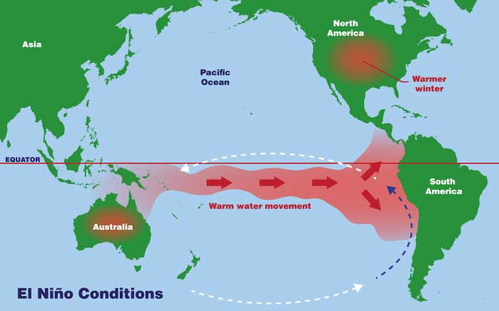
Fueled by warm ocean waters in the tropical Pacific, El Nino conditions are emerging, impacting global temperature and rainfall patterns. The World Meteorological Organisation (WMO) cautioned about the potential for extreme weather in the upcoming months. WMO Secretary-General Celeste Saulo highlighted the risks of drought, heavy rainfall, and heatwaves on land and in the ocean due to the strengthening El Nino event.
The previous El Nino episode in 2023-2024, among the top five strongest on record, contributed to record global temperatures in 2024. The WMO emphasized the need for close monitoring of conditions to provide timely information to governments, humanitarian agencies, and climate-sensitive sectors. Advance seasonal forecasts and early warnings are crucial for mitigating the impacts of El Nino and saving lives.
UN Secretary-General Antonio Guterres, in a video statement, expressed concerns that El Nino conditions would worsen the effects of global warming. Guterres stressed the necessity for urgent climate action, including phasing out fossil fuels, transitioning to renewables, protecting vulnerable populations, and establishing comprehensive early warning systems.
The WMO recently projected that global average temperatures are likely to remain at or near record levels over the next five years. The report ‘Global Annual to Decadal Climate Update 2026-2035’, developed by the UK’s Met Office and the WMO Lead Centre for Annual to Decadal Climate Prediction, highlighted the persistence of high Arctic temperature anomalies compared to the global average. The report also provides insights into observed climate trends over the past five years and regional predictions for temperatures and precipitation in the next five years.
